
Are you looking for a fun and effective way to boost your children’s English skills? Children’s fairy tales might just be the answer you need. These stories engage young minds with exciting plots, colourful characters, and rich language. Not only are they enjoyable, but they also provide an excellent opportunity for improving vocabulary, comprehension, and social skills.
Here I’ll share some of the best children’s fairy tales for learning English. You’ll discover how these stories can make language learning an engaging experience, along with a brief summary of each recommended tale. Whether you’re a parent of beginners or advanced learners, these fairy tales are perfect for helping your children master the English language while enjoying the magic of storytelling.
Table of Contents
- What Are Classic Fairy Tales?
- Benefits of Using Fairy Tales for Children Learning ESL
- Best Classic Children’s Fairy Tales for Learning English
- Best Modern Fairy Tales for Learning English
- Where to Access Fairy Tales?

Explore the FREE Resource Library
Fun, educational activities for children aged 3–8 completely free!
Discover a growing collection of printable games, vocabulary activities, crafts, and themed resources designed to help children build language and literacy skills through stories, play, and creativity.
Spend less time searching for activities and more time learning, playing, and creating together.
What Are Classic Fairy Tales?
When you think of children’s fairy tales, stories of heroes, princesses, or mythical creatures might come to mind. Fairy tales are traditional, fictional stories that were initially used as a means of teaching moral lessons to children.
Unlike fables, which often focus on using animals as their characters, fairy tales include magical elements, with many stories including a “happily ever after” ending.
These stories have since been altere,d offering more child-friendly adaptations. Many adjustments to the language used have ensured these stories can be accessible for different age ranges and reading abilities, making them an ideal option for English language learners.
Benefits of Using Fairy Tales for Children Learning ESL
Using fairy tales to teach children English as a second language (ESL) can be incredibly effective. These stories not only entertain but also provide an enriching foundation for language acquisition. By incorporating fairy tales into your children’s learning routine, you can help them develop a more robust vocabulary, gain cultural insights, and boost their creative thinking. Here are a few reasons that make fairy tales an excellent narrative to help teach your children English:
Timeless Appeal
Classic fairy tales have a certain charm that makes them appealing to children of all ages. These stories, often set in enchanted lands, feature characters like fairy godmothers, talking animals, and brave heroes embarking on quests. The universal themes and easily understandable plots make these tales accessible, even for young learners who are just beginning to learn English. Characters often face challenges and obstacles that they must overcome, teaching valuable lessons about courage, kindness, and perseverance.
Rich in Vocabulary
One of the standout features of classic fairy tales is their rich and varied use of language. These stories introduce readers to a range of vocabulary words and phrases that are both unique and contextually meaningful. Unlike modern stories that sometimes simplify language, fairy tales maintain linguistic richness, making them perfect for expanding your children’s vocabulary. Words like “enchanted,” “villain,” and “quest” are just a few examples of the vocabulary your children will come across.
Cultural Insights
Many of these stories have been told for centuries and offer a glimpse into the traditions and values of the cultures they originated from. By reading classic fairy tales, your children not only learn new words and phrases but are also exposed to diversity from an early age exploring new cultures and history of other countries that might be different from their own. This cultural context can also provide a deeper understanding of the language and its usage in different scenarios.
Moral Lessons and Social Skills
Classic fairy tales often come with underlying morals and lessons that can help children understand social norms and values. These stories teach lessons about honesty, bravery, and kindness, which are universally important.
Many fairy tales offer several plot twists with problems and solutions scattered throughout. Through the characters’ actions and the consequences they face, children learn about right and wrong, helping them develop critical thinking and social skills.
Additionally, discussing these lessons can spark engaging conversations that further enhance their language skills.
Enhancing Creativity
The imaginative elements in fairy tales play a vital role in fostering creativity and critical thinking from an early age. These stories often involve fantastical scenarios, magical creatures, and complex problems that require clever solutions. This encourages innovative thinking and problem-solving skills, plus plenty of opportunities for open discussions and developing speaking skills.
Utilising fairy tales not only supports English language development but aids children in learning to think outside the box and apply creative solutions to real-life situations.
Additionally, the engaging plots and characters stimulate mental imagery, allowing children to visualise scenes and actions vividly. This kind of imaginative engagement is essential for developing a love for reading and a keen interest in learning.
Best Children’s Fairy Tales for Learning English
Classic fairy tales offer the opportunity for children to learn English in a magical way. These stories enhance vocabulary, comprehension, and cultural insights. Here are some examples of classic and modern fairy tales for children to learn English:
Classic Children’s Fairy Tales
Cinderella
The story of Cinderella is a beloved classic that has been popular with children for generations. The plot revolves around a kind-hearted young girl named Cinderella who lives with her wicked stepmother and stepsisters. Despite her difficult life, she remains kind and optimistic. With the help of her fairy godmother, she attends the royal ball, meets the prince, and ultimately transforms her fate.
Why is it beneficial for language learning?
- Rich Vocabulary: Cinderella introduces words like “ball,” “gown,” “pumpkin,” and “midnight,” providing a rich vocabulary set within a magical context.
- Moral Lessons: The story teaches kindness and resilience, offering discussion opportunities that can enhance critical thinking and language skills.
- Cultural Insights: Understanding the values of kindness and transformation embedded in the story offers a glimpse into the cultural nuances.
Little Red Riding Hood
Little Red Riding Hood is a tale that follows a young girl on her journey to visit her grandmother. Along the way, she encounters a cunning wolf who deceives her and intends to make Little Red Riding Hood its dinner! With straightforward language and repetitive phrases, this story is ideal for young learners.
How does it help beginners?
- Repetitive Language: Phrases like “What big eyes you have” and “the better to see you with” reinforce language patterns, making it easier for beginners to grasp.
- Simple Structure: The straightforward plot and clear moral about caution make it accessible for young readers just starting their English learning journey.
- Engaging Characters: The characters and predictable elements help maintain interest, ensuring that children remain engaged while learning new vocabulary.
Jack and the Beanstalk
Jack and the Beanstalk is an adventurous tale of a young boy named Jack who trades his cow for magic beans. The beans grow into a massive beanstalk, leading Jack to the giant’s castle in the sky. Through his adventures, Jack acquires treasures and meets magical characters who try to help him return home safely.
What makes it special for language learning?
- Rich Vocabulary: Words like “beanstalk,” “giant,” “harp,” and “golden” introduce children to varied and rich vocabulary within an engaging narrative.
- Moral Lessons: The story imparts lessons about bravery, resourcefulness, and the consequences of actions, which can lead to rich discussions and deeper understanding.
- Cultural Insights: The elements of magic and adventure provide a window into the cultural context of storytelling, giving children a deeper appreciation of language and narrative.
By incorporating these classic fairy tales into your child’s English learning routine, you help bring their learning to life and provide meaning to the new vocabulary they learn. These stories not only make language learning fun but also offer multiple benefits, from vocabulary building to cultural insights and moral lessons.

Modern Children’s Fairy Tales
The Gruffalo
The Gruffalo is a delightful tale of a clever mouse who invents a monster to scare off predators. As the mouse walks through the forest, he encounters several animals who wish to eat him. To avoid being eaten, the mouse describes an imaginary creature called the Gruffalo. However, to his surprise, he meets the actual Gruffalo later in the story.
Why is The Gruffalo appealing and educational?
- Engaging Plot: The story’s clever twist and unexpected ending keep children engaged, making the learning process enjoyable.
- Rich Vocabulary: Words like “knobbly knees,” “turned-out toes,” and “poisonous wart” introduce descriptive vocabulary.
- Rhyme and Rhythm: The rhyming text and rhythmic pattern help with pronunciation and fluency, making it easier for children to remember and enjoy the story.
- Moral Lesson: It teaches cleverness and resourcefulness, showing children the power of quick thinking and creativity.
Room on the Broom
Room on the Broom is a charming story about a kind witch and her cat who are flying on her broomstick. As they travel, they meet several animals who each ask for help. The witch’s generosity leads to the broomstick becoming crowded and eventually breaking. The witch finds herself in trouble with a witch-eating dragon. But just in time, her new friends come together to save the witch from a dragon, and she creates a magnificent new broom with room for everyone.
How does Room on the Broom benefit young learners?
- Rhyming Text: The entire story is written in rhymes, which helps children with pronunciation and understanding the rhythm of the language.
- Repetition: Repetitive phrases like “Whoosh! They were gone” make it easier for young learners to follow along and participate.
- Character Descriptions: Words like “magnificent,” “ginger,” and “spindly” expand children’s descriptive vocabulary.
- Positive Messages: The story promotes kindness, sharing, and teamwork, making it not just educational but also morally enriching.
Zog
Zog is a fun and heart-warming tale about a young dragon named Zog who is eager to learn and win a golden star at his dragon school. Despite his clumsiness and frequent mishaps, he perseveres with the help of a kind princess. Zog’s story is one of determination and support, showing that hard work and encouragement can lead to success.
Why is Zog a great choice for learning English?
- Perseverance Theme: The story teaches children the value of perseverance and hard work, encouraging them to keep trying even when things seem difficult.
- Varied Vocabulary: The book introduces varied vocabulary related to dragons, school, and royalty, enriching children’s language skills.
- Engaging Illustrations: Vivid illustrations help children understand the context and the meaning of new words, making the learning process visual and interactive.
- Positive Role Models: Characters like Zog and the princess demonstrate kindness, support, and determination, providing excellent role models for young learners.
Modern fairy tales like The Gruffalo, Room on the Broom, and Zog not only captivate children with their engaging stories and characters but also offer numerous educational benefits. Incorporating these tales into your child’s English learning routine can make language learning an enriching experience developing not only English but also creativity, imagination, and problem-solving skills.
Where to Access Fairy Tales
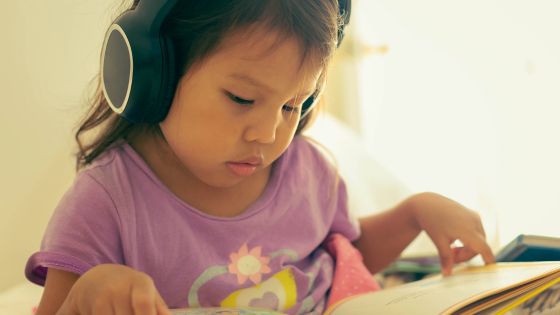
Accessing fairy tales does not have to be expensive or challenging. As children’s fairy tales remain popular even today, multiple versions of each story are readily available in one form or another. From public libraries to story subscriptions, there are multiple ways of accessing fairy tales that suit your circumstances.
What’s most important is checking the version of each fairy tale you find to ensure it is appropriate for your children’s age and English understanding. Original fairy tales often have darker stories, such as Grimm’s fairy tales. The language is also more challenging within the original versions. Choosing alternatives that have been rewritten for English language learners or a younger audience will be more suitable for your children. Online bookstores such as Usborne have a great selection of rewritten fairy tales that are excellent for language learners. Alternatively, online sites such as Storynory include the original and recrafted fairy tales to suit different audience’s needs.
Here are a selection of ways you can access children’s fairy tales for learning English:
Libraries and Bookstores
Your local library or bookstore is an excellent starting point for exploring fairy tales. Libraries often have a vast collection of classic and modern fairy tales that you can borrow for free. They also host reading sessions or storytelling hours, which can be a great way for your children to enjoy these stories in a social setting.
Bookstores, on the other hand, offer the advantage of owning your own fairy tales and being able to read them at your own leisure and multiple times. Many bookstores have special sections dedicated to children’s literature, where you can find beautifully illustrated fairy tale books.
Consider taking regular trips to the library or bookstore with your child. This not only encourages a love for reading but also allows you to explore new titles together. Plus, the knowledgeable staff can often recommend age-appropriate fairy tales based on your children’s language proficiency.
Explore the FREE Resource Library
Fun, educational activities for children aged 3–8 completely free!
Discover a growing collection of printable games, vocabulary activities, crafts, and themed resources designed to help children build language and literacy skills through stories, play, and creativity.
Spend less time searching for activities and more time learning, playing, and creating together.
Online Resources
For families that are on the go, more remote, or unable to access physical books, online libraries and websites make accessing these stories so much easier. There are numerous websites and apps that offer free or affordable access to fairy tales in various formats such as e-books, audiobooks, and videos.
- Project Gutenberg: Provides a vast collection of classic fairy tales that are available for free download.
- LibriVox: Offers free audiobooks of classic fairy tales, perfect for listening practice.
- YouTube: Features channels dedicated to animated versions of fairy tales, combining visual and auditory learning.
- Kindle Store: A range of e-books are available, including free options, which can be easily accessed on any device.
These resources are particularly beneficial as they cater to different learning styles. For instance, e-books and audiobooks can help improve reading and listening skills, while animated videos can enhance comprehension and make learning more engaging.
Educational Platforms
For a more structured approach, there are educational platforms specifically designed to aid English language learners, and fairy tales are often incorporated into their language learning programmes. These platforms offer curated content that aligns with language learning objectives, making it easier to track progress and ensure a balanced development of skills.
- Duolingo Stories: Includes interactive fairy tale stories that help improve reading and comprehension skills in a fun, gamified way.
- Epic!: An extensive digital library with thousands of books, including a vast collection of fairy tales. It also includes read-to-me audio features, which are excellent for young readers.
- Reading Eggs: Combines fairy tales with interactive reading lessons, games, and activities designed to build literacy skills in a structured yet fun manner.
- Oxford Owl: Offers free access to a variety of e-books and educational resources, including classic fairy tales, designed to aid English language learning.
These platforms often provide additional resources like quizzes, educational games, and progress tracking, which can make the learning experience more comprehensive and rewarding.
Incorporating classic and modern children’s fairy tales into your child’s English learning routine can provide numerous benefits, from enhancing vocabulary and comprehension to offering cultural insights and moral lessons.
Children’s fairy tales are exciting and help to develop your children’s imagination, and linguistic skills, along with their emotional wellbeing through the moral lessons shared.
You can use these fairy tales as an opportunity to expand your children’s English language whilst incorporating storytelling activities, games, and play.
Explore the FREE Resource Library
Fun, educational activities for children aged 3–8 completely free!
Discover a growing collection of printable games, vocabulary activities, crafts, and themed resources designed to help children build language and literacy skills through stories, play, and creativity.
Spend less time searching for activities and more time learning, playing, and creating together.
Related Posts
- How To Use Fairy Tales To Teach Your Kids English
- 12 Classic Fairy Tales for English Language Learners
- Creating a Storytelling Routine: Incorporating English into Your Family’s Daily Life
- Bilingual Storytime: Tips for Using Dual-Language Books to Learn English
- 15 Interactive Storytelling Games for Children Learning the English Language

