
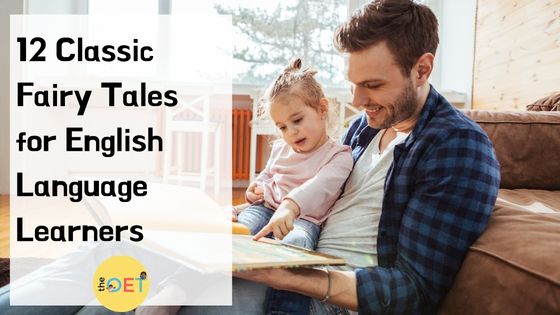
For families teaching children English as a second language, fairy tales offer an engaging way to introduce new vocabulary, sentence structures, and idiomatic expressions. They open opportunities to explore a new language with exciting stories, magical adventures, and prominent characters.
Each story can be easily extended with various activities from role-playing to making storyboards, hot seating, and creating puppets. These help bring each fairy tale to life and help your children interact with the story verbally, audibly, and kinaesthetically, not to mention these activities make learning fun and memorable.
In this guide, I share 12 classic fairy tales that are excellent stories to use with your children. Each story listed provides a description and suggested activities, turning your storytelling sessions into interactive English lessons.
Table of Contents
- The Importance of Classic Fairy Tales
- Cinderella
- Jack and the Beanstalk
- Little Red Riding Hood
- Goldilocks and the Three Bears
- The Three Little Pigs
- Hansel and Gretel
- Sleeping Beauty
- Snow White
- The Ugly Duckling
- The Frog Prince
- Puss in Boots
- Beauty and the Beast

Explore the FREE Resource Library
Fun, educational activities for children aged 3–8 completely free!
Discover a growing collection of printable games, vocabulary activities, crafts, and themed resources designed to help children build language and literacy skills through stories, play, and creativity.
Spend less time searching for activities and more time learning, playing, and creating together.
The Importance of Classic Fairy Tales
Classic fairy tales derive from traditional stories that have been passed down through generations. These tales carry deep meanings and reflect the values and traditions of the cultures from which they originate. Additionally, they offer significant benefits for language learning, making them perfect tools for teaching children English.
Cross-Curricular Learning
These stories help incorporate cross-curricular topics such as history and geography, making them more interesting and improving links between different subject areas. Not to mention Classic fairy tales reflect the cultural values and traditions of the societies that created them. For example:
- “Cinderella”: This story, found in multiple cultures worldwide, highlights themes of kindness, perseverance, and the triumph of good over evil. Originally based in France, the story offers children the option of looking at French architecture and villages from the illustrations.
- “Hansel and Gretel”: Originating from Germany, this tale shows the importance of intelligence and bravery in overcoming difficult situations. The story takes place in a German forest, and children can look at the plants and animals that live there.
- “The Tortoise and the Hare”: A fable from ancient Greece that teaches the value of persistence and humility. Within this story, your children could incorporate science and compare the different animal’s key features that may have aided or hindered them during the race.
Language Learning Benefits
Reading classic fairy tales can greatly enhance your children’s English language skills. They provide the chance to not only focus on reading each story together, but also to discuss the story, act the story, or even complete written tasks such as book reviews, new endings, or designing new characters. Here are some other language skills that reading class fairy tales can aid:
- Vocabulary: Fairy tales often use a rich and varied vocabulary. When children hear words like “enchanted”, “wicked”, or “castle”, they learn new terms that they can use in their everyday conversations.
- Comprehension: The simple plot structures and repetitive patterns in fairy tales help children understand the sequence of events and improve their reading comprehension.
- Pronunciation: Listening to fairy tales read aloud improves pronunciation. You can use audiobooks or read the stories yourself, emphasising correct pronunciation as you go.
After reading stories together, the learning doesn’t have to stop there. Here are a few activities to make the most of fairy tales for language learning:
- Story Re-enactment: Act out scenes from the stories. This helps bring the words to life and makes learning more interactive.
- Vocabulary Lists: Create lists of new words from each story and use them in sentences with your child. Use these new word lists within word games to help your children retain new vocabulary but also enjoy the learning process.
- Discussion Time: After reading a story, discuss it together. Encourage your children to ask questions, but also use it as a chance to gauge their understanding by asking questions about the plot, characters, and their favourite parts.
12 Classic English Fairy Tales
Introducing classic fairy tales to your children is a wonderful way to make learning English a fun and engaging experience. These stories carry important lessons that can help develop moral values in young minds whilst providing English language learning opportunities.
These 12 classic fairy tales will support your children in expanding their vocabulary, understanding what they are reading, participating in speaking tasks, and enjoying cross-curricular activities.
Cinderella
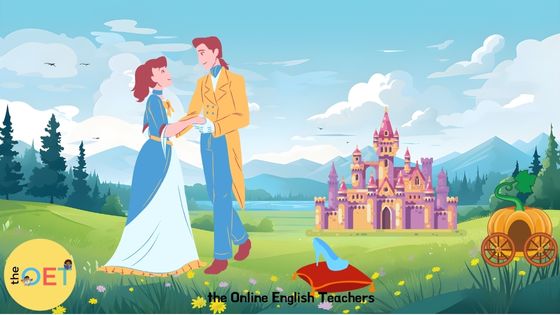
Brief Summary: Cinderella is a kind-hearted girl who lives with her wicked stepmother and stepsisters. Despite her hardships, she remains optimistic and kind. With the help of her fairy godmother, she attends the royal ball, where she meets the prince. After losing her glass slipper at midnight, the prince embarks on a quest to find her. In the end, Cinderella and the prince live happily ever after.
Moral Lessons: This story teaches the importance of kindness, resilience, and the belief that good things happen to good people.
Suggested Activities:
- Role-Playing: Act out different scenes from the story with your children. This helps improve their vocabulary and speaking skills.
- Vocabulary Games: Create flashcards with words such as “ball,” “slipper,” and “fairy godmother.” Use these cards to play matching games or make sentence exercises.
- Cross-curricular: Compare the original version with a modern adaptation. Look at where the story is based and compare each culture e.g. the original French version with a modern version from China.
Jack and the Beanstalk
Brief Summary: Jack is a poor boy who trades his family’s cow for magic beans. The beans grow into a giant beanstalk reaching the sky. Jack climbs the beanstalk and discovers a giant’s castle filled with treasures. Through a series of brave and clever acts, he takes riches back to his mother, improving their lives.
Themes: Bravery, resourcefulness, and the importance of taking calculated risks.
Suggested Activities:
- Drawing Scenes: Encourage your child to draw their favourite scenes from the story. This can help with their comprehension and creativity.
- Acting Out Parts: Have fun acting out different parts of the story. This is a great way to practice speaking English and build confidence.
- Cross-curricular: Plant a range of different beans at home and monitor their growth with a chart and plant diary. Not only incorporates science and gardening but also aids written skills and speaking by sharing what has happened in the experiment.
Little Red Riding Hood
Brief Summary: Little Red Riding Hood visits her grandmother but encounters a cunning wolf along the way. The wolf tricks her and reaches her grandmother’s house first. Disguised as the grandmother, the wolf tries to catch Little Red Riding Hood, but she is ultimately saved by a hunter.
Importance: This tale underscores the significance of safety and caution, especially when interacting with strangers.
Suggested Activities:
- Puppet Shows: Create puppets and put together a puppet show of the story. This activity helps with storytelling skills and creativity.
- Story Sequencing: Cut out pictures of different parts of the story and mix them up. Have your child put the pictures in the correct order to practice sequencing.
- Cross-curricular: Create a bird’s eye map of where you live and write directions to get from your home to a familiar place e.g. the shop or school. This incorporates Maths alongside using directional vocabulary.
Goldilocks and the Three Bears
Brief Summary: Goldilocks enters the home of three bears while they are out. She tries their porridge, sits in their chairs, and eventually falls asleep in the smallest bed. When the bears return, they discover Goldilocks, who wakes up and runs away.
Themes: Respecting others’ property and understanding the consequences of one’s actions.
Suggested Activities:
- Crafting: Make bear masks or porridge bowls using craft materials. This makes the story come alive.
- Matching Exercises: Match items from the story, such as bowls, chairs, and beds, with descriptions like “too hot,” “too cold,” or “just right.”
- Cross-curricular: Incorporate science and maths by making porridge at home. Follow a recipe to read and identify instructional verbs such as put, mix, or pour.
The Three Little Pigs
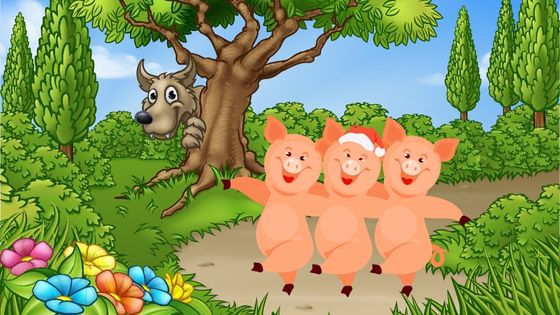
Brief Summary: Three little pigs build houses of straw, sticks, and bricks. A big bad wolf tries to blow their houses down. Only the brick house stands firm, teaching the pigs—and the reader—a valuable lesson.
Lessons: The value of hard work, preparation, and perseverance.
Suggested Activities:
- Building Models: Use blocks or recycled materials to construct model houses. Test their strength just like in the story.
- Retelling the Story: Have your child retell the story in their own words. This boosts their language skills and confidence.
- Cross-curricular: Identify different materials around your home. Talk about their properties and what they are used for e.g. wood is used for chairs, glass for windows, and metal for pans. For higher level children, introduce vocabulary such as transparent.
Hansel and Gretel
Brief Summary: Hansel and Gretel are abandoned in the forest and find a house made of sweets. The house belongs to a wicked witch who plans to eat them. The smart siblings outwit the witch and return home with treasure.
Themes: Cleverness, courage, and the importance of family support.
Suggested Activities:
- Map Drawing: Draw a map of the forest and the witch’s house. This helps with spatial understanding and creativity.
- Design: Design an alternative witch for the story and create a word bank of adjectives to describe the character.
- Cross-curricular: Bake gingerbread cookies together, relating them to the story’s candy house.
Sleeping Beauty
Brief Summary: A princess is cursed to sleep for 100 years by an evil fairy. A good fairy alters the curse, allowing the princess to be awakened by a prince’s kiss. The prince finally finds and wakes her, leading to a happy ending.
Themes: This story teaches the importance of patience and not giving up.
Suggested Activities:
- Creating Dream Journals: Have your child create a dream journal to write about their dreams, similar to the princess’s long sleep.
- Drawing Characters: Draw and colour the characters from the story. This can help with artistic skills and understanding the story better.
- Cross-curricular: Include science with learning English by writing a spell and making a potion. You could mix colours to show colour changes, add glitter or beads.
Snow White
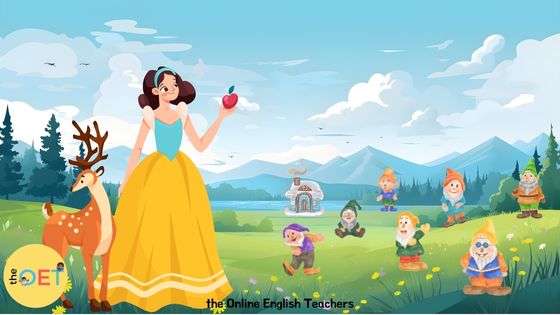
Brief Summary: Snow White, the fairest in the land, escapes her jealous stepmother and finds refuge with seven dwarfs. The stepmother’s plot leads to Snow White falling into a deep sleep, only to be awakened by a prince.
Themes: The value of kindness and the dangers of jealousy.
Suggested Activities:
- Mirror Games: Use a mirror to act out scenes involving the evil queen and her magic mirror. For higher level children, they could write and perform a monologue as if they were the evil queen.
- Character Discussions: Talk about the different characters and their traits. This helps improve descriptive language skills.
- Cross-curricular: Focusing on kindness, pretend to be Snow White and write a letter thanking the dwarfs for their kindness.
The Ugly Duckling
Brief Summary: A duckling is teased for being different from the others but grows up to become a beautiful swan. His transformation silences the mockery and earns him admiration.
Themes: Transformation, self-acceptance, and the impact of bullying.
Suggested Activities:
- Drawing Timelines: Create a timeline showing the duckling’s transformation into a swan.
- Discussing Feelings: Talk about how the duckling felt at different points in the story. This can help children articulate their emotions.
- Cross-curricular: focusing on the theme of mental health, your children could create their own affirmation flashcards e.g. I am brave. I am hardworking. I am kind.
The Frog Prince
Brief Summary: A spoiled princess loses her golden ball in a pond and promises a frog anything if he retrieves it. The frog transforms into a prince after her reluctant kindness, revealing the importance of keeping promises and valuing inner beauty.
Lessons: The significance of promises and looking beyond appearances.
Suggested Activities:
- Role-Playing: Re-enact scenes between the frog and the princess. Use your knowledge of each character to add your own speech to the story. This makes learning English lively and engaging.
- Making Frog Crafts: Create frog-themed crafts to bring the story to life.
- Cross-curricular: Look at the lifestyle of a frog and watch a video on YouTube assisting his frogs transform over time.
Explore the FREE Resource Library
Fun, educational activities for children aged 3–8 completely free!
Discover a growing collection of printable games, vocabulary activities, crafts, and themed resources designed to help children build language and literacy skills through stories, play, and creativity.
Spend less time searching for activities and more time learning, playing, and creating together.
Puss in Boots
Brief Summary: A clever cat helps his poor master achieve wealth and a royal marriage through a series of clever tricks and bravery.
Themes: Cleverness, loyalty, and resourcefulness.
Suggested Activities:
- Hat-Making Crafts: Make a Puss in Boots hat to wear during storytelling.
- Storytelling Games: Create a game where your child improvises or continues the story using given elements. You could include the whole family with one person creating a line of the story at a time.
- Cross-curricular: Include arts and crafts by making a paper puppet of a cat using split pins. You could extend this activity by adding paper clothes. Share the vocabulary relating to body parts and clothing items.
Beauty and the Beast
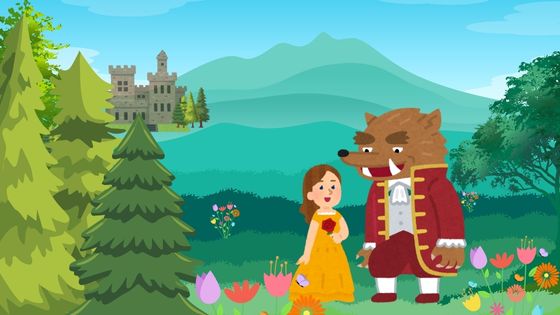
Brief Summary: A young woman named Belle sacrifices herself to save her father by living with a reclusive beast. Over time, she sees the beast’s kind heart and they fall in love, breaking the curse that had transformed him.
Themes: Love, understanding, and seeing beyond appearances.
Suggested Activities:
- Creating Character Profiles: Write profiles for Belle and the Beast to better understand their personalities.
- Discussing the Moral: Have a conversation about the importance of not judging someone by their appearance.
- Cross-curricular: Design a room in the castle and identify pieces of furniture that you would use.
Classic fairy tales offer a well-balanced blend of entertainment, cultural insights, and valuable language-learning opportunities. Using a range of stories, including these fairy tales, can help make learning English more meaningful and at an appropriate level for your children to understand. Extend learning through English through each story by including interactive activities like role-playing, drawing, and discussion to deepen understanding and retention.
For further exploration, consider visiting libraries or online resources that offer child-friendly versions of these timeless stories. Utilising classic fairy tales can turn language learning into an exciting, hands-on adventure promoting creativity, imagination, and cross-curricular learning.
Explore the FREE Resource Library
Fun, educational activities for children aged 3–8 completely free!
Discover a growing collection of printable games, vocabulary activities, crafts, and themed resources designed to help children build language and literacy skills through stories, play, and creativity.
Spend less time searching for activities and more time learning, playing, and creating together.
Related Posts
- 6 of the Best Children’s Fairy Tales for Learning English
- How To Use Fairy Tales To Teach Your Kids English
- 30 Engaging Fairy Tale Activities for Kids Learning English
- 12 Engaging Fairy Tale Crafts to Boost Your Children’s English Skills
- 15 Interactive Storytelling Games for Children Learning the English Language

