
Fable stories for kids aren’t just short stories but they also teach life lessons. With animal characters, they make important lessons for children easier to understand. Concepts such as sharing, not judging others by their appearance, and telling the truth. They share important values such as honesty, kindness, and responsibility.
If your child is learning English, fable stories can also support language development. They spark curiosity and encourage critical thinking, making them a fantastic learning tool for family time. Whether you’re focusing on learning new words or exploring morals, fables bring fun and education together. Here are 11 fable stories for kids that you can enjoy together at home.
Table of Contents
- The Tortoise and the Hare
- The Boy Who Cried Wolf
- The Fox and the Grapes
- The Lion and the Mouse
- The Ant and the Grasshopper
- The Goose That Laid the Golden Eggs
- The Crow and the Pitcher
- The Fox and the Crow
- The Wolf In Sheep’s Clothing
- The Bundle of Sticks
- The Dog and the Shadow
- Benefits of Fable Stories for ESL Learning

Explore the FREE Resource Library
Fun, educational activities for children aged 3–8 completely free!
Discover a growing collection of printable games, vocabulary activities, crafts, and themed resources designed to help children build language and literacy skills through stories, play, and creativity.
Spend less time searching for activities and more time learning, playing, and creating together.
11 Fable Stories for Kids
The Tortoise and the Hare
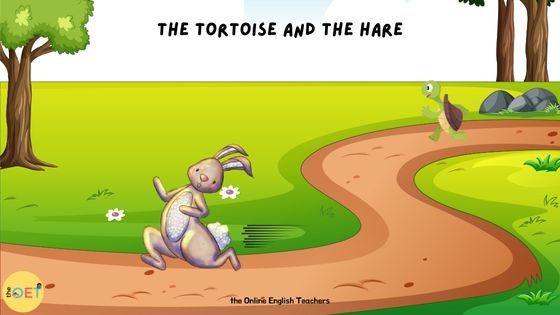
Summary: A tortoise, known for its slow pace, challenges a quick, overconfident hare to a race. The hare, predicted to win, decides to take a nap mid-race. Meanwhile, the tortoise keeps a consistent pace and crosses the finish line first.
Moral: Slow and steady wins the race.
This classic tale shows that determination and focus can often outperform arrogance and speed. It might remind kids to always keep going, even when the odds seem stacked against them.
Extension Activities:
- Draw your favourite animal: Let your children choose an animal from the story and create their own version with crayons or markers.
- Mock race with toys: Build a mini race track on paper, using toy cars or figures to recreate the story.
- Explore patience: Talk about times when staying calm and patient worked better than rushing.
The Boy Who Cried Wolf
Summary: A young shepherd repeatedly tricks villagers into thinking a wolf is attacking his flock. Laughing at their panic, he enjoys the attention. When a wolf actually does attack, no one believes him, and the sheep are lost.
Moral: If you lie, people will not believe you even when you are telling the truth.
This story speaks volumes about the importance of honesty. Use this to help kids understand how trust is built—and how easily it can be destroyed.
Extension Activities:
- Role-play the story: Act out the tale with friends or family to understand the consequences of lying.
- Write about honesty: Ask your children to share when telling the truth helped them or someone else.
- Create a truth poster: Work together to make a colourful poster highlighting why honesty is important.

The Fox and the Grapes
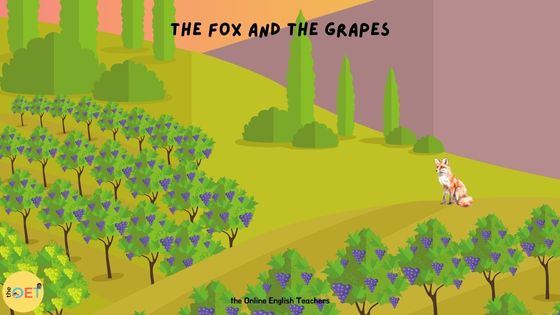
Summary: A fox spots some juicy grapes hanging from a high vine. Hungry and determined, he jumps and tries to grab them but ultimately fails. Frustrated, he says, “Those grapes are probably sour anyway,” and walks away.
Moral: It’s easy to despise what you cannot have.
This humorous tale reveals people’s tendency to put down things we can’t achieve. It’s an opportunity to discuss accepting disappointment gracefully.
Extension Activities:
- Problem-solving chat: Discuss creative ways the fox could have reached the grapes.
- Fruit fun: Prepare a fruit salad that includes grapes. Use this opportunity to try new fruits too.
- Make a comic strip: Bring the fox’s adventure to life through your children’s drawing skills.
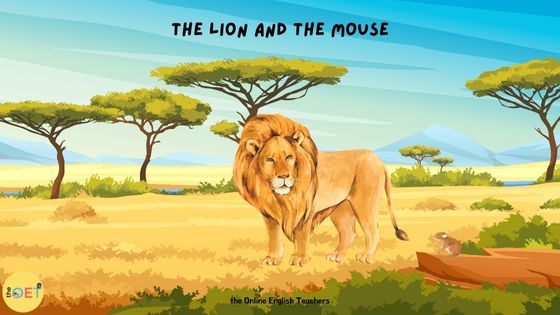
The Lion and the Mouse
Summary: A tiny mouse accidentally wakes a sleeping lion. Though tempted to eat the mouse, the lion spares its life. Later, the mouse returns the favour by freeing the lion from a hunter’s trap, proving even the smallest creatures can do great deeds.
Moral: Even the smallest friend can be a great help.
Kids will love this story about kindness and gratitude. It shows that no favour, big or small, goes unnoticed.
Extension Activities:
- Friendship bracelets: Craft simple bracelets to celebrate the idea of helping your friends.
- Write a thank-you note: Encourage your children to thank someone who has been kind or helpful recently.
- Unique animal character: Dream up a new animal character who likes to help others and draw their adventure.
Explore the FREE Resource Library
Fun, educational activities for children aged 3–8 completely free!
Discover a growing collection of printable games, vocabulary activities, crafts, and themed resources designed to help children build language and literacy skills through stories, play, and creativity.
Spend less time searching for activities and more time learning, playing, and creating together.
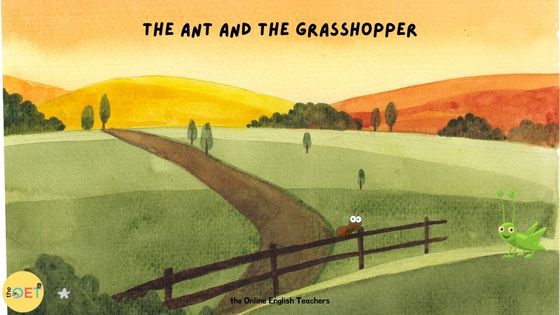
The Ant and the Grasshopper
Summary: A hardworking ant spends the summer preparing for winter, while a carefree grasshopper plays without a care. When winter hits, the grasshopper struggles to survive while the ant enjoys the fruits of its labour.
Moral: Prepare today for the needs of tomorrow.
This fable is perfect for teaching children about planning ahead and making wise choices.
Extension Activities:
- Chore checklist: Brainstorm chores or activities to help your family prepare for different seasons.
- Creative drawing: Illustrate the ant and grasshopper based on how your children imagine them.
- Plan together: Set a small goal to work toward as a family, like planting flowers or starting a craft project.
The Goose That Laid the Golden Eggs
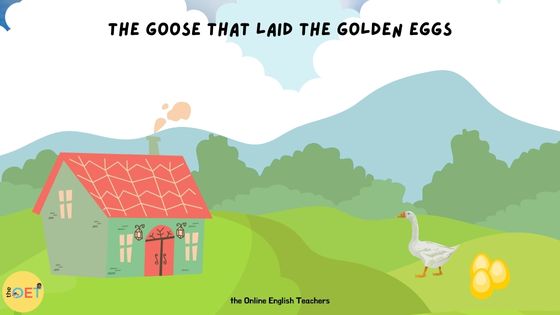
Summary: A farmer owns a goose that lays golden eggs each day. Consumed by greed, he kills the goose in hopes of retrieving all the gold at once, only to end up with nothing.
Moral: Greed can lead to loss.
This fable teaches the value of patience and contentment in a way children can easily understand.
Extension Activities:
- What is greed? Have a conversation about what being greedy means and why it’s important to avoid it.
- Savings jar activity: Start a jar to save money or tokens for something special your children want.
- Write a golden story: Ask your children to write a short story about an object they treasure.
The Crow and the Pitcher
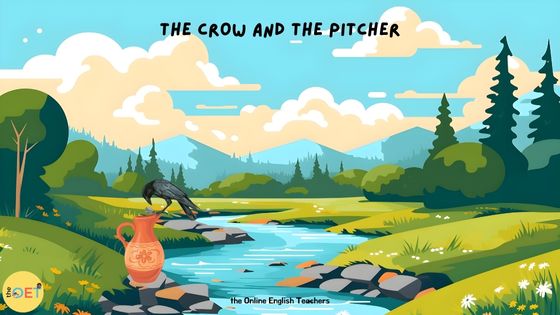
Summary: A thirsty crow finds a pitcher with water at the bottom. Unable to reach it, the crow drops small pebbles into the pitcher, slowly raising the water until it can drink.
Moral: Thinking and working hard can solve any problem.
This clever tale can inspire creativity and problem-solving in kids. It’s a great discussion starter about thinking through challenges.
Extension Activities:
- Science experiment: Test how adding different objects to water changes its level.
- Creative writing: Invent a new story featuring an animal solving a different problem.
- Problem-solving chat: Discuss ways people have found clever solutions in daily life.
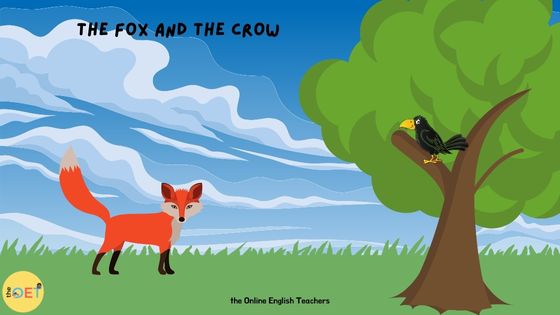
The Fox and the Crow
Summary: Holding a piece of cheese in her beak, a crow is flattered by a fox who praises her voice. When the crow opens her mouth to sing, the cheese falls, and the fox snatches it.
Moral: Beware of false friends.
A light-hearted warning about being fooled by insincere compliments, this one’s fun to act out during storytime.
Extension Activities:
- Letter writing: Write a letter from the crow’s perspective, either thanking or warning the fox.
- Puppet show: Create puppets from paper or socks to retell the story with your own twist.
- True versus false friends: Talk about how to tell if someone is a real friend.
The Wolf in Sheep’s Clothing
Summary: A wolf disguises himself as a sheep to approach the flock unnoticed. However, his deceit is discovered, and he is caught.
Moral: Appearances can be deceiving.
This story reminds kids not to judge others by their looks alone and to be wary of deceit.
Extension Activities:
- Disguise drawing: Draw animals in silly disguises and imagine what they might be up to.
- Secret identities: Create an animal with a hidden agenda and write a short story about it.
- Discuss appearances: Talk about why judging people by how they look can sometimes be misleading.

The Bundle of Sticks
Summary: A father shows his quarrelling sons the power of unity by asking them to break a bundle of sticks bound together. None of them can do it. He then unties the bundle, allowing them to snap the sticks one at a time.
Moral Lesson: There is strength where there is unity.
This story beautifully illustrates the value of teamwork and unity. It’s a fantastic way to encourage cooperation among siblings.
Extension Activities:
- Team game: Play a game that requires teamwork to highlight the importance of collaboration.
- Personal reflection: Share a story about when working as a team was important.
- Unity-themed art: Draw a picture of a group of friends or family showing their strength together.

The Dog and the Shadow
Summary: A dog carrying a bone sees his reflection in water and mistakes it for another dog with a bigger bone. Eager to grab it, he barks, dropping his own bone into the water.
Moral: Don’t be greedy.
This tale uses simple imagery to caution kids against selfishness, making it a relatable lesson for young minds.
Extension Activities:
- Bone comparison: Draw or craft two bones (big and small), and discuss why being happy with what you have matters.
- Give thanks list: Write down things your children are thankful for to encourage contentment.
- Role-play decision-making: Act out moments where decisions based on greed didn’t end well.

Benefits of Fable Stories for ESL Learning
Fable stories for kids are more than just short stories. They’re a fantastic resource for families learning English as a second language (ESL). They provide a simple structure and relatable messages whilst making language learning enjoyable and memorable. Here are some of the benefits fable stories offer when teaching your children English at home:
Enhancing Vocabulary
Fables are great for introducing words that children might not encounter in everyday conversations. Since the stories are short and clear, new vocabulary is presented in ways that are easy to understand.
For instance, in The Fox and the Grapes, words like “grapes”, “sour”, and “reach” might be new to your children. Seeing these words in context helps them understand their meaning without needing long explanations. Plus, the repetition of key phrases reinforces memory, to help those words stick.
To make it even more effective, you can create a word chart from the story. Label it with “new words”, “meanings”, and “example sentences.” Learning words this way feels less like a chore and more like solving a fun puzzle.
Improving Comprehension Skills
With their familiar story pattern, problems and resolution format, fables offer a perfect structure for building comprehension.
When your children read or listen to a fable, they practise following the flow of events. They learn to spot how characters, actions, and outcomes are connected. This skill is key when reading any story or even following real-life conversations.
You could ask your children to retell the story in their own words. Encourage them to use phrases like, “First this happened,” or, “Then the character did that.” These small practices can greatly improve their ability to understand and retell narratives, boosting both comprehension and confidence. Plus, they develop other important skills such as sequencing events.
Moral Reasoning and Critical Thinking
Every fable ends with a moral, and that’s where the real power lies compared with other stories. These lessons encourage children to think about their own actions and choices. For ESL learners, this not only improves their reasoning but also deepens their understanding of cultural values.
For example, The Boy Who Cried Wolf doesn’t just teach honesty. It helps your children to consider why trust matters and what happens when it’s lost. These discussions provide a natural way to introduce more complex phrases and ideas into their English vocabulary.
Make reading sessions more interactive by posing questions like, “What would you have done differently?” or, “Why do you think the boy lied?” This way, you encourage critical thinking while keeping the focus on fun, engaging conversations in English.
By using fables to learn English, you’re not just supporting their language development, but also providing opportunities for them to grow as thinkers and communicators.
Fable stories for kids combining moral lessons with engaging narratives. They teach values like honesty, patience, and teamwork. For families learning English, these stories also support language growth, making education feel natural and fun.
Read these stories together, discuss their meanings, and try the activities to extend learning and incorporate open conversations, play, and multisensory experiences.
Explore the FREE Resource Library
Fun, educational activities for children aged 3–8 completely free!
Discover a growing collection of printable games, vocabulary activities, crafts, and themed resources designed to help children build language and literacy skills through stories, play, and creativity.
Spend less time searching for activities and more time learning, playing, and creating together.

