
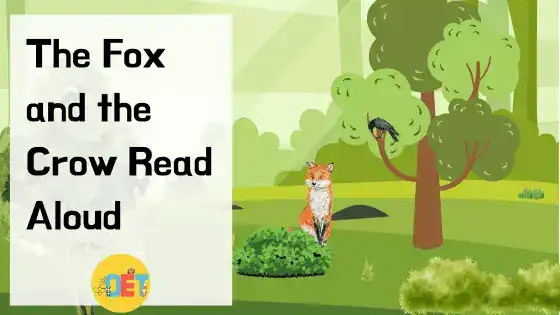
Looking for a simple, engaging story that builds your children’s English skills and teaches a life lesson at the same time?
You will love this friendly retelling of the fox and the crow story in English, adapted for young learners and early readers. It is short, rhythmic, and full of useful words you can use in everyday practice at home. You also get a clear moral that is easy for children to understand.
Why this story works for early English learners
You need stories that are easy to follow, with familiar ideas and clear language. This one ticks all of those boxes. The plot is simple, the sentences are short, and the action moves in a straight line from start to finish. Your children hear repetition of common words like fox, crow, cheese, sing, trees, and forest, which helps with memory and pronunciation.
Not only that, but the story sets up an obvious problem and a neat ending. Children can predict what might happen and talk about it with you. That builds confidence, and it keeps them engaged.
A quick overview of the plot
- Fox is hungry and sneaky. He loves food and is always looking for a meal.
- Crow is proud of her looks and voice. She likes to feel special and admired.
- Crow lands on a tree branch with a piece of cheese in her beak.
- Fox flatters Crow. He tells her that her voice is beautiful and asks her to sing.
- Crow opens her beak to sing. The cheese falls.
- Fox catches the cheese and eats it.
- Crow feels silly. Fox tells her not to believe everything she hears, especially from a stranger.
- Fox leaves to find more food. The lesson is clear.
You get an easy structure to discuss with your children. The beginning, middle, and end are all clear and distinct.
Here are the characters and what they teach:
- Fox: clever, hungry, and persuasive. He uses words to get what he wants.
- Crow: proud and a bit careless. She wants praise and forgets to think before acting.
From these characters, your children can learn to:
- Think before you act.
- Be careful when someone flatters you.
- Keep your focus on what matters.
These are big ideas, explained through small, friendly moments that children understand.
As with all of Aesop’s original fables, there is a moral lesson in every story.
The story teaches one clear lesson: do not trust praise from a stranger, especially when they want something. In other words, be wary of sweet talk. This is a helpful idea for children who are learning to make good choices, to pause before they act, and be aware that not everyone is always honest and genuine.
You can summarise it with a phrase your children can repeat: Do not believe everything you hear.

Educational Value of The Fox and the Crow
Every story can offer your children the opportunity to develop upon their language skills. Here’s some ideas to help get you started.
Key vocabulary to learn and practise
This lists a few useful words from the story to extend your children’s vocabulary range. Use them before you watch, then again after you finish. That repetition helps new words stick.
- fox: a wild animal with a bushy tail
- The fox hides in the bushes.
- crow: a large black bird
- The crow sits on the tree branch.
- cheese: food made from milk
- The cheese looks tasty.
- sing: make music with your voice
- Please sing a song for me.
- trees: tall plants with trunks
- The crow flies above the trees.
- forest: a large area with many trees
- The fox walks through the forest.
- branch: a part of a tree that sticks out
- The crow lands on a branch.
- beak: a bird’s mouth
- The cheese is in the crow’s beak.
- stranger: someone you do not know
- Do not trust a stranger so fast.
- trick: a clever plan to fool someone
- The fox plays a trick on the crow.
Tip: Say the words together, then ask your children to point to a picture or act it out. For example, say “sing” and take a deep breath together followed by a tune. It makes the meaning clear and fun.
Retell the story in simple steps
Use this child-friendly version to retell the main events. You can read it aloud and ask your children to join in on key words.
- A fox walks in the forest.
- A crow flies above the trees, with cheese in her beak.
- The crow lands on a branch to eat the cheese.
- The fox wants the cheese. He speaks kindly to the crow.
- The fox says, your voice is amazing, please sing.
- The crow opens her beak to sing. The cheese falls down.
- The fox catches the cheese and eats it.
- The crow shouts, that was my cheese.
- The fox says, do not believe everything you hear, especially from a stranger.
- The fox walks away, still hungry for more food.
Reading these steps as a sequence helps children follow the story in a simplified way. It also gives you prompts for discussion.
Talk together: simple questions to build language
Here are a few open questions that guide your children to think and speak. Keep answers short and praise every attempt.
- Who had the cheese?
- Where did the crow land?
- What did the fox want?
- What happened when the crow opened her beak?
- What lesson can you learn from this story?
- What would you do if you were the crow?
Try a quick challenge: ask your children to tell the story in three sentences. Then ask them to add one more detail.
Sound practice: words and phrases to repeat
Focus on clear sounds and rhythm, helping your children build correct pronunciation and phonetic knowledge. Repeat in a calm, steady voice.
- fox, forest, food
- crow, branch, beak
- cheese, trees
- sing, song, voice
- tasty snack
- beautiful voice
- do not believe everything you hear
You can use call and response. You say the word for your children to repeat. Then you swap roles and your children lead.
Act it out at home
A short role-play can turn listening into speaking and action. It can help strengthen speaking confidence with a low-pressure, fun activity.
- You be the fox. Your children are the crow.
- Use a cushion as the branch and a small toy as the cheese.
- The fox asks for a song. The crow opens the beak, the toy drops, and the fox catches it.
- Swap roles and repeat.
Role-play adds movement and memory. It also makes shy speakers more confident.
Reading tips for parents and carers
Offer support to your children to encourage them to practice their reading skills. If they are nervous or lacking in confidence, model a sentence for them to repeat, play games to find certain words. Turn each learning opportunity into a fun activity.
- Keep sentences short. Point to the words as you read.
- Pause after fox, crow, cheese, sing, trees. Ask your children to repeat.
- Use a friendly voice for the fox, a proud voice for the crow.
- Before the cheese falls, ask, what might happen next?
- After the story, ask for the moral in one sentence.
- Read again on another day. Repetition builds comfort and fluency.
Small steps like these turn listening time into language time.

Extend learning with quick activities
Try one or more of these easy to create activities at home to incorporate fun and play into your children’s language learning routine:
- Picture hunt: draw a fox, a crow, and a piece of cheese. Label each one.
- Matching game: write five words on cards and five pictures on other cards. Match word to picture.
- Sentence builder: give your children word cards, for example, the, fox, eats, cheese. Ask them to build a sentence.
- Rhyming fun: fox and box, crow and go, cheese and please.
- My turn, your turn: you say a short sentence, your children repeat, then change one word.
These short activities fit into a busy day. Five-ten minutes is enough for daily practice.
Helpful phrases from the story
Practise these lines from the dialogue. They are simple and flow as a conversation.
- Hello, Crow.
- Your voice is amazing.
- Please sing for me.
- Oh no, my cheese!
- You tricked me.
- Do not believe everything you hear.
Use them in pretend play as a review activity to help your children retain the new language while keeping it playful.
Common mistakes to watch for
Here are some pronunciation and grammar mistakes to listen out for and correct.
- Mixing crow and cow. Say crow with a long o.
- Saying tree as three. Show the tongue placement for th when needed, and compare with t in tree.
- Forgetting third person s in sings when you extend sentences. For example, The crow sings.
Correct gently and in a constructive way. Model the right version and move on.
Using this story as part of your daily routine
I know you’re busy and life can take over sometimes. But, incorporating English into your everyday routine can really help your children’s skills progress, and feels a lot easier to manage if it’s part of activities you’re already doing.
- Bedtime for a calm, short read.
- After school as a quick language warm-up.
- Weekend family time with role-play.
- Listening in the car as an audio book on the way to school.
Regular use builds comfort and familiar stories make new words less scary.
Build on this fable with more stories
If your children enjoyed this fable, you can explore similar tales with simple language and clear morals. Try more short stories in the collection of fable stories for kids to build English language skills or dip into traditional folktales from around the world. They pair well with read-aloud time and quick at-home activities.
You can also connect with other families, share tips, and find support in the Learn English for Kids Facebook group. Being a part of a positive and welcoming community can make a big difference.
If you’ve been looking for stories that teach and also build language, the Fox and the Crow in English is a great choice. This friendly retelling gives you clear vocabulary, simple sentences, and a strong moral to talk about. Try the questions, the role-play, and the short script to make it part of your routine.
Would you like more stories like this every week? Join other families, keep reading, and watch your children grow in confidence, one small step at a time.


