
Using spring books is a fantastic way to help introduce new seasonal vocabulary to your children. From learning about flowers, the weather, or even animals you can find in spring, there are plenty of learning opportunities for English language learners.
In this post, I cover some of the best spring books for kids learning English that help introduce the season both in the text and illustrations.
Table of Contents
- Why Spring Books are Important for Kids
- 8 Spring Books for Kids
- Activities to Accompany Spring Books
Disclaimer: This post contains affiliate links. If you choose to make a purchase using these links, I may earn a small commission at no additional cost to you. You can view the full affiliate disclosure here.
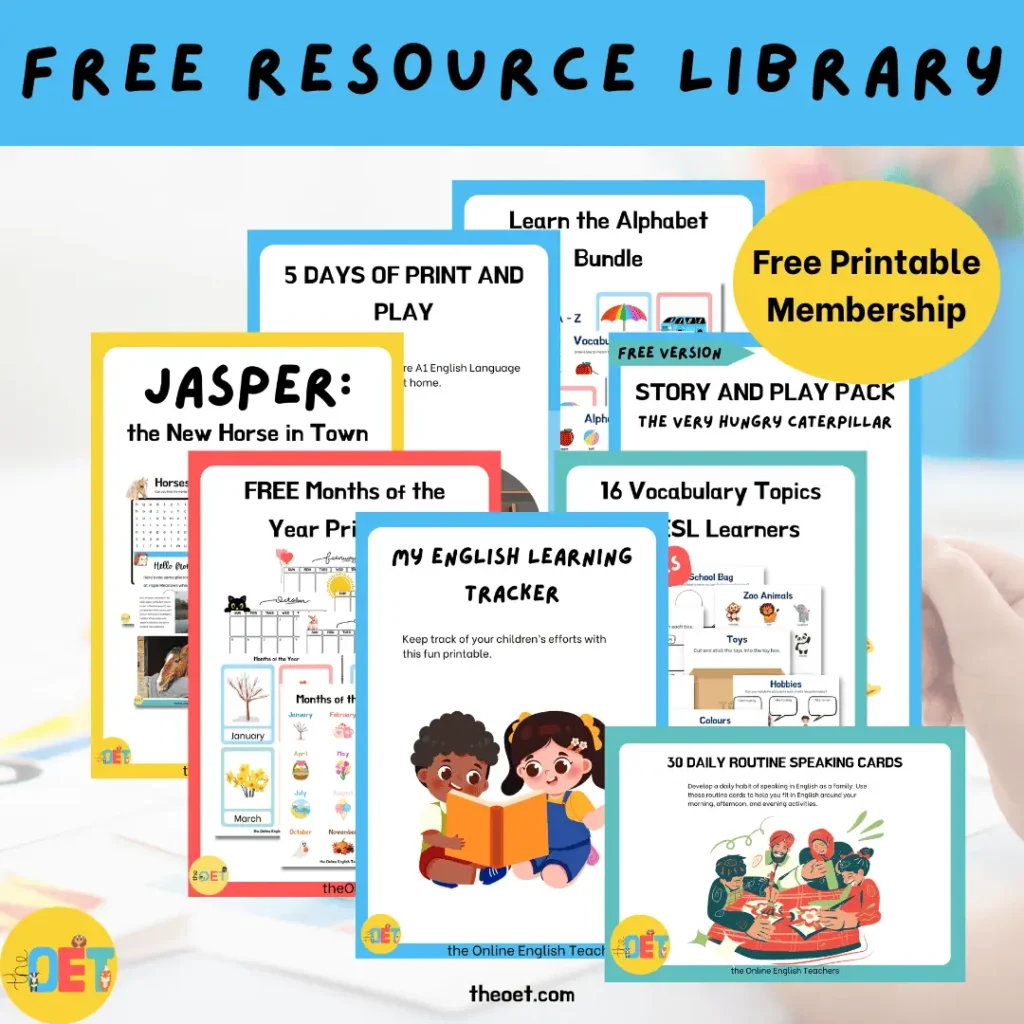
Join the FREE Resource Library
Looking for FREE quality printables, templates, and guides to help you teach your kids ESL at home?
Join theOET’s FREE Membership and gain access to 10s of resources designed by a qualified teacher to help your family learn English at home.
New resources are added every month. Save time, money, and stress with pre-made educational printables and guides.
Why Spring Books are Important for Kids
Seasonal spring stories are specifically designed to align with the themes of growth and renewal, making them wonderful tools for learning. Whether your children are just beginning to explore English or are already regular readers, spring stories can provide valuable lessons for everyone.
Encourages a Love for Nature
Spring books are often filled with themes of blooming flowers, budding trees, and animals coming out of hibernation. These topics naturally draw kids into the beauty of the season.
When children read about plants sprouting or baby animals exploring the world, they become more curious about nature. This can spark their imagination and inspire real-life activities, like planting seeds or birdwatching in the garden.
Reading about gardens, forests, or ponds also builds a deeper sense of connection to the natural world. Kids notice the parallels between the stories they read and what they see around them. That familiarity and curiosity might even lead to asking questions, like, “Why do birds migrate?” or “How does a caterpillar become a butterfly?”
Stories can connect new knowledge to real-life experiences and build cross-curricular connections in a more natural way.

Fosters Emotional Growth
Spring is a season of growth, and the same applies to a child’s emotional development. Many spring-themed books revolve around ideas like new beginnings, overcoming fears, or trying something new.
Each topic can support children with their emotional development through relatable stories they can connect with. For instance, a story about a chick finding its way in the world might serve as an encouragement for children to embrace new experiences.
Promotes Vocabulary and Language Skills
For families with children learning English, spring books are a fantastic resource as they’re often written with simple yet descriptive language that makes new words easy to understand. Words like “raindrop,” “blossom,” or “sunshine” are not only seasonally relevant but also encourage kids to expand their vocabulary.
You can make the most of this by pausing during storytime to describe pictures or ask questions. “What do you think happens after the rain?” or “Can you find the yellow flower in the picture?” These interactions make reading more engaging and reinforce language skills with the whole family.
Connects Reading to Real Life
One of the best things about using spring books is the ability to bridge the gap between reading and real-life experiences. When kids read about a bunny hopping through a meadow and then spotting one outdoors, it creates an exciting connection.
You can extend this concept by linking stories to activities. For example, after reading a book about a rainy day, you could go outside and jump in puddles or explore clothing such as Wellington boots and umbrellas. Or if a tale features gardening, spend some time planting flowers together and creating a growing diary. These hands-on experiences help cement the new concepts explored in stories.

Builds Seasonal Awareness
Understanding the seasons is an essential part of learning about the world. Spring books teach children about seasonal changes in a way that’s engaging and easy to grasp. Kids learn why leaves grow back on trees or why certain animals have babies in spring. These foundational concepts prepare children for more advanced learning later on.
8 Spring Books for Kids
By incorporating spring books into your children’s reading routine, you’re offering them much more than stories. You’re giving them tools to explore nature, build language skills, and grow emotionally—all while having fun along the way.
Here are 8 of the best spring books for kids, organised by age to help you choose the right spring books for your children.
Spring Books for Toddlers (Ages 1-3)
Spring is an exciting season to share with toddlers. Stories at this age include bright colours, changing weather, and baby animals offering lots of topics to introduce them to. Here are two perfect picks for toddlers aged 1-3 that celebrate spring.
“Little Blue Truck’s Springtime” by Alice Schertle
This tale follows the Little Blue Truck as he drives through the countryside, meeting animal friends and celebrating the arrival of spring. The story introduces baby chicks, piglets, lambs, and more as Blue honks a friendly hello. Each page reveals another surprise with beautifully illustrated flaps, perfect for engaging very young children.
This book focuses on friendship and kindness. Blue’s gentle interactions with his animal pals highlight the importance of connecting with others. The springtime setting—with blossoming flowers and growing families—mirrors natural seasonal events.
The story doesn’t have a large amount of text, with only a couple of words or sentences on each page which is ideal for younger children who do not have long attention spans. The rhyme-filled text is also not only fun to read aloud but also supports early language development, making it a wonderful pick for toddlers.
“Spring Is Here!” by Will Hillenbrand
“Spring Is Here!” tells the sweet story of Mole’s excitement as he realises spring has finally arrived. Eager to share the season with his friend Bear, Mole makes numerous attempts to wake him from hibernation. After much effort, Bear awakens—and the two enjoy the arrival of spring together.
This interactive story is filled with humour and warmth. Mole’s persistence and creativity in rousing his snoozing friend are endearing. The changing season comes alive with cheerful illustrations featuring bright flowers and playful animals. There are themes of patience, friendship, and the seasonal changes that encourage toddlers to notice how their surroundings change in springtime.
This story also features lots of onomatopoeia such as “Tap tap tap” and “sniff sniff sniff” which can be fun for toddlers to join in with the story and practice the repetitive elements.

Both of these books take simple, relatable ideas and pair them with stunning artwork, making them ideal for little ones learning about the joys of spring. They’re perfect for cuddling up during storytime and sparking your toddler’s love for reading!
Spring Books for Preschoolers (Ages 4-5)
Preschoolers are at an age where their curiosity is heightened along with their willingness to explore the world around them. Utilising stories can help grow their understanding of the world, captivating their imagination while teaching life lessons. Here are two spring-themed books perfect for 4-5-year-olds to learn related vocabulary.
“The Very Hungry Caterpillar” by Eric Carle
No spring reading list is complete without this timeless classic. “The Very Hungry Caterpillar” introduces young readers to the transformation of a caterpillar into a butterfly—a perfect metaphor for the season. Its vibrant, hand-painted illustrations and simple, rhythmic text are engaging, making it a must-read for every preschooler.
As the caterpillar munches through a variety of foods throughout the story, children not only enjoy the journey but also learn about numbers, days of the week, and some different types of food. The story naturally mirrors the changes of spring—growth, transformation, and renewal.
This book does more than just tell a story; it gently introduces kids to nature’s life cycles. Preschoolers, with their naturally inquisitive nature, become fascinated by the caterpillar’s metamorphosis, encouraging them to observe the world around them with fresh eyes. Have a walk outside after reading and see if you can spot a real caterpillar—it might become the highlight of their day!

“And Then It’s Spring” by Julie Fogliano
“And Then It’s Spring” is a gentle narrative that introduces themes of patience and the beauty of change in nature’s own time. The story follows a young boy and his dog as they plant seeds and eagerly await the arrival of spring. The illustrations, paired with Fogliano’s text, create a calm story.
This book is perfect for teaching preschoolers the value of waiting and observing. They’ll connect with the boy’s anticipation as brown earth eventually gives way to soft green sprouts. It’s a brilliant reminder that growth happens when we least expect it, much like the surprises spring brings.
Parents and children can use this book as inspiration for their own outdoor adventures. Why not plant seeds in your garden together? Watching the first shoots emerge days later adds a hands-on layer to the experience, connecting storytime to everyday life.

Both of these stories bring spring’s magic to life while offering entertaining and meaningful lessons. They encourage children to explore, question and appreciate the new beginnings right outside their door. With colourful artwork and engaging narratives, these books are ideal picks for your preschooler’s spring reading list.
Join the FREE Resource Library
Looking for FREE quality printables, templates, and guides to help you teach your kids ESL at home?
Join theOET’s FREE Membership and gain access to 10s of resources designed by a qualified teacher to help your family learn English at home.
New resources are added every month. Save time, money, and stress with pre-made educational printables and guides.
Spring Books for Early Readers (Ages 6-8)
For early readers aged 6 to 8, spring books engage young minds with interactive formats, vibrant illustrations, and thoughtful lessons. Whether your child is a budding reader or already enjoying chapter books, these titles perfectly capture the beauty of spring.
“When Will It Be Spring?” by Catherine Walters
This warm tale follows little Alfie, a young bear eager for spring’s arrival. Alfie keeps waking his mum during hibernation, convinced the season has come. Each time, he mistakes signs of winter for spring, like falling leaves for birds in the trees or a man’s fire for the sunlight. His excitement and curiosity shine through the charming illustrations.
It’s a lovely story for teaching kids about seasons and patience. Children relate to Alfie’s anticipation while learning how nature follows its own schedule. The repetitive pattern also helps with language development, as they’ll enjoy predicting what happens next.
It’s ideal for language learners as it introduces a wide variety of vocabulary along with additional opportunities to extend learning e.g. seasonal descriptions or about hibernation.
Why not pair this book with a walk outside? Encourage your children to spot signs of winter turning into spring. It’s a great way to connect the story to real life, turning a reading moment into a fun, educational activity.
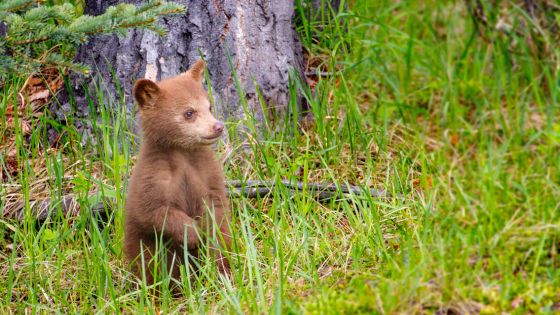
Eric Carle’s “The Tiny Seed” introduces children to the life cycle of a seed. The story follows a tiny seed’s incredible journey through the seasons as it faces challenges like strong winds, scorching sun, and hungry birds, only to eventually grow into a beautiful flower.
This book is more than just a tale. It’s a gentle, visual introduction to concepts like growth, resilience, and the renewal of life in spring. Carle’s signature use of vibrant, collage-style illustrations makes it a visual feast for your child while reinforcing the story’s lessons. Each page is rich with detail, making it a joy to explore together.
For early readers, “The Tiny Seed” offers a chance to connect with the natural processes they may already be curious about. It’s a perfect springboard for activities like planting seeds in your garden. Watching their own little seeds grow brings the book’s messages to life in an unforgettable way.

Both of these spring books balance fun and education seamlessly, making them ideal for kids aged 6-8. They foster curiosity, encourage observation, and build reading skills—all while celebrating the magic of the spring season.
Spring Books for Middle-Grade Readers (Ages 9-12)
As kids grow into middle-grade readers, their ability to explore deeper and more meaningful stories increases. Spring-themed books for this age group often combine captivating plots with important life lessons, helping them connect to the world around them. Here are two inspiring books that perfectly represent the season of growth and renewal.
“The Secret Garden” by Frances Hodgson Burnett
This classic novel is a beautiful journey into healing, friendship, and self-discovery. Set in the changing landscape of the Yorkshire Moors, the story follows Mary Lennox, a lonely, spoilt girl who discovers a locked, neglected garden in her uncle’s estate. As she nurtures the garden back to life, Mary herself begins to grow and change, forming meaningful connections along the way.
The themes of rebirth and transformation are at the heart of this book. Just as the garden blooms with colour, Mary and her new friends, Dickon and Colin, uncover their own inner strength and kindness. The friendship that blossoms between the characters mirrors the fresh energy of springtime.
What makes this story so special is its important message of care and compassion. It’s a story that not only entertains but also encourages kids to see how their actions can create change. After reading, why not suggest designing and creating a flower garden together? It’s a great way to tie the story into real life.

Spring is a time to celebrate nature, and “Hoot” takes this theme to heart with its eco-friendly plot. This humorous yet meaningful novel follows Roy, a boy new to Florida, who discovers a group of tiny burrowing owls living on a construction site. As Roy gets involved in protecting the owls, he learns about bravery, teamwork, and the importance of standing up for what’s right.
The environmental themes in “Hoot” remind readers of the beauty and fragility of the natural world. Spring provides the perfect backdrop for the story, with its focus on renewal, new life, and the interconnectedness of all living things. Hiaasen’s witty writing will grab kids’ attention while subtly teaching them to value and protect the earth.
This book is a wonderful conversation starter about real-world environmental issues. You might even inspire your children to take their first steps into being an eco-warriors, whether it’s planting a tree or simply picking up litter on a walk. It shows how even small actions can make a big difference, just like in the story.

Both of these novels offer engaging plots that middle-grade readers will enjoy, all while highlighting the lessons and beauty of spring. There are plenty of opportunities to extend learning beyond the story with practical projects as well as creative writing tasks.
Activities to Accompany Spring Books
Sharing spring books is just the beginning of learning about spring. Pairing books with hands-on activities brings the season to life for kids and strengthens their connection to the themes they read about. Whether it’s exploring nature, getting creative, or learning through play, these activities make spring books more engaging and memorable for children learning English.
1. Nature Walks
Being outdoors surrounded by nature is the perfect classroom for any age. After finishing a spring-themed book, head outdoors to see those changes you’ve read about first-hand. It helps kids connect what they’ve read with the real world making it more meaningful and memorable.
Here are some ideas of things you can do whilst exploring outdoors:
- Create a scavenger hunt: Ask your children to find things like flowers in bloom, fresh green leaves, or busy bees just like in the story.
- Ask questions during the walk: “Can you see any animals waking up?” or “What colours do you notice today?” These encourage language practice.
- Keep a nature journal: Let your children draw or write about what they find. For younger children, you can help label their pictures with simple words like “tree” or “bird”.
Nature walks are a chance for your children to build vocabulary while exploring the world around them.

2. Planting Seeds
Planting seeds is a simple way to show kids how growth and change happen, reinforcing lessons from books. Plus, it’s an activity that’s educational and rewarding as they watch their plants grow. You can:
- Choose seeds together: Whether it’s flowers, herbs, or vegetables, let your children help pick. It makes the activity more personal. For older children, you could provide them with a plant pot or section of the garden for them to design and grow plants independently.
- Talk through the process: As you plant, explain each step using simple language: “We dig the soil, plant the seed, and give it water.” This builds understanding and vocabulary. Encourage your older children to maintain a growth diary that you could review together each week.
- Check progress daily: Ask your children, “What do you see today?” or “How has it changed since yesterday?” It keeps them curious and engaged.
Planting seeds ties perfectly to books about growth, like The Tiny Seed. Watching their own seeds sprout is more exciting than simply reading about it in stories, they get to experience it first-hand for themselves.
3. Seasonal Painting
Incorporating art is a fantastic way of providing a creative outlet for your children and enabling them to express what they’ve learned through art. Seasonal painting helps them process stories visually while exploring their imagination.
- Paint scenes from the story: If you’ve read about a caterpillar or a garden, ask your children to paint what they remember. This strengthens memory and comprehension.
- Create springtime prints: Use flower petals, leaves, or even twigs dipped in paint to make natural textures. Let your children experiment—there’s no right or wrong way to be creative!
- Label their artwork: If your children are learning English, write simple labels like “flower” or “tree” on their painting. This helps connect visual art with language skills. For older children, encourage them to create a piece of artwork and then write some sentences or a poem about it.
Art is a brilliant way for kids to share their understanding of spring stories, and they’ll love showing off their creations to family and friends.
Spring books can help children learning ESL make links between texts and real life. To make story time more meaningful and exciting, incorporate discussion opportunities throughout and extend afterwards with a range of hands-on activities. These activity ideas suggested are simple, engaging, and full of opportunities to learn more English.
Have you read any spring books for kids recently? Share your recommendations in the comments for other families to enjoy.
Join the FREE Resource Library
Looking for FREE quality printables, templates, and guides to help you teach your kids ESL at home?
Join theOET’s FREE Membership and gain access to 10s of resources designed by a qualified teacher to help your family learn English at home.
New resources are added every month. Save time, money, and stress with pre-made educational printables and guides.

