
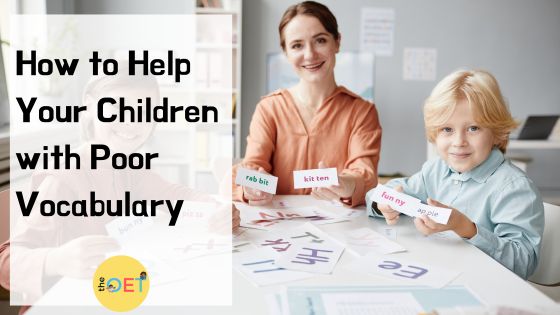
Are your children struggling with vocabulary? While it might seem daunting, helping them build a rich vocabulary range is crucial for their language development. A strong vocabulary supports effective communication, boosts confidence, and opens doors to new experiences.
But where do you start?
Try to start by incorporating opportunities for vocabulary development in your everyday routines. Here are some examples:
- Engage in conversations with your children. Create an environment where conversations are open-ended and a natural part of your day. Conversations about simple things like dinner plans or weekend activities can naturally introduce new vocabulary.
- Encourage reading together. Choose stories that match their interests to keep them engaged. Reading not only exposes them to new words but also shows how words work in different contexts.
- Incorporate games and apps that make learning fun. Word-based games can turn vocabulary building into an enjoyable activity rather than a chore.
By focusing on these methods, you’re not just improving vocabulary; you’re boosting your children’s ability to express themselves confidently and creatively. This small step can significantly impact their language skills and make their learning journey smoother.
Keep on reading to find out some helpful strategies to help your children with poor vocabulary.

Table of Contents
- Understanding Vocabulary Development
- Practical Strategies to Enhance Vocabulary
- Supporting ESL Learners
- Monitoring Progress
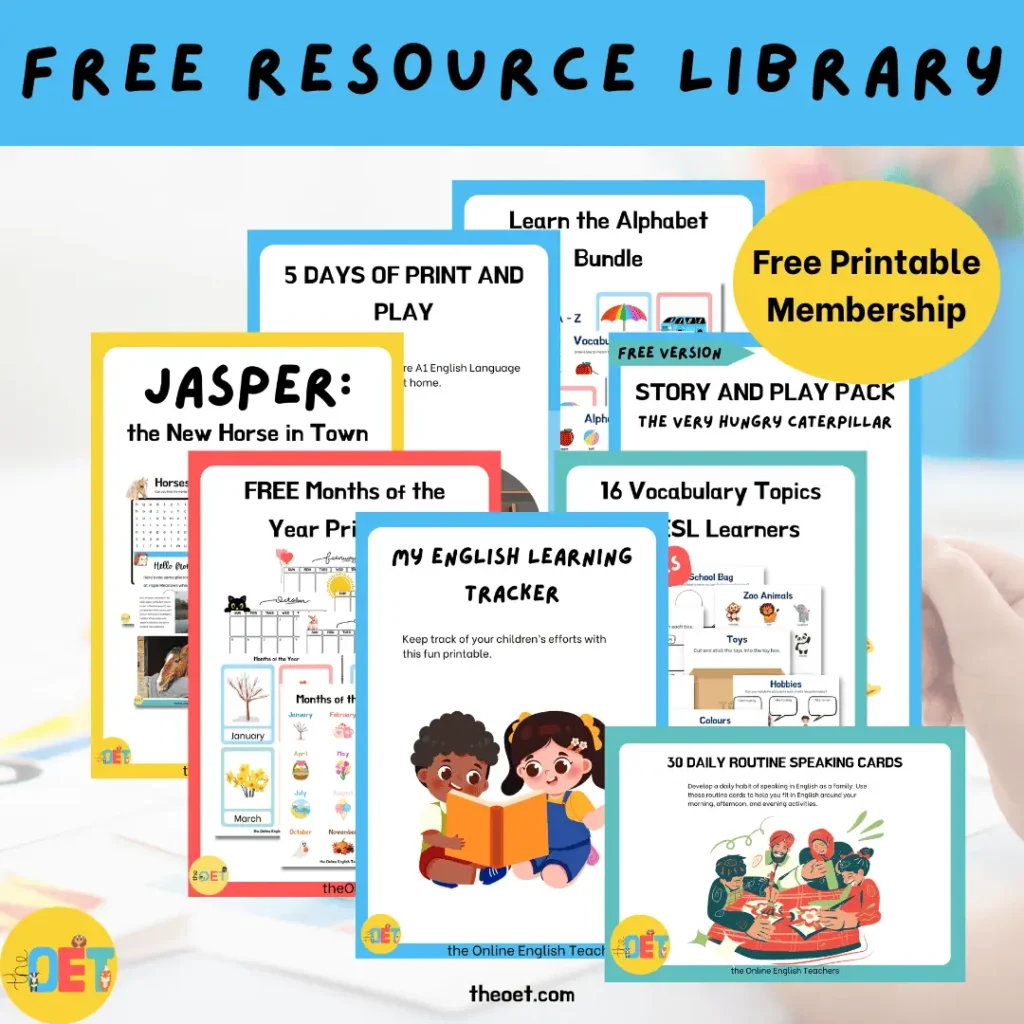
Join the FREE Resource Library
Looking for FREE quality printables, templates, and guides to help you teach your kids ESL at home?
Join theOET’s FREE Membership and gain access to 10s of resources designed by a qualified teacher to help your family learn English at home.
New resources are added every month. Save time, money, and stress with pre-made educational printables and guides.
Understanding Vocabulary Development
Helping your children develop strong vocabulary is a crucial step towards mastering English. Understanding how children acquire words and language is key. This section will explore the stages of vocabulary growth and the factors that might slow it down.
Stages of Vocabulary Acquisition
Children’s vocabulary grows in stages, similar to building blocks. Each stage lays the foundation for the next, and understanding these can help you support your children’s learning.
- Listening and Speaking: Your children’s journey begins by listening. They hear words in conversations, songs, and stories. This passive listening helps them grasp sounds and meanings. As they start speaking, they try new words—often getting them wrong, but each attempt is a step forward.
- Reading: Once they’re familiar with basic words, reading becomes vital. Through books, children encounter new words that they incorporate into their speech. Reading exposes them to a broader vocabulary than everyday conversation.
- Writing: Writing allows children to play with language. It’s the stage where they see how words fit together. By expressing their thoughts on paper, they reinforce their understanding of vocabulary.
These stages highlight the importance of consistent exposure to words through various media. Reading bedtime stories or singing nursery rhymes might seem simple, but they’re powerful tools in this journey. Now you know how words grow, what’s next on your children’s learning adventure?

Factors Affecting Vocabulary Growth
Several factors could be hurdles in your children’s vocabulary development. Recognising these challenges can help you address them effectively.
- Limited Exposure to Language: Children absorb language from their environment. If they aren’t surrounded by rich language, their vocabulary might lag. Encourage conversations, and let them hear diverse words in different contexts.
- Lack of Practice: Vocabulary thrives on use. Without regular speaking, reading, and writing practice, words might slip away. Find fun ways to make language a part of daily life, like playing word games or journaling.
- Socioeconomic Factors: Not all families have easy access to books and educational resources. Libraries and free online resources can bridge this gap by providing learning materials.
- Bilingual Environment: If English is a second language, children might take longer to learn. Bilingualism is enriching, so encourage using both languages to develop a robust vocabulary. This can be through speaking and using stories together.
Understanding these stages and factors is your guide to better support your children’s language journey. With patience and creativity, you can nurture their vocabulary development effectively.

Practical Strategies to Enhance Vocabulary
Boosting your children’s vocabulary doesn’t need to be a daunting task. It’s helpful to weave fun and short-focused activities into their daily life. Incorporating engaging and natural language activities into your children’s routine can foster vocabulary growth. Here are some practical strategies to make vocabulary learning an enjoyable journey.
Reading Together
Start by encouraging daily reading habits. Choose age-appropriate books that both captivate your children’s interests and introduce new vocabulary.
- Pick books with vibrant illustrations for younger children.
- Choose chapter books for older kids that challenge and interest them.
- Opt for themes that align with their hobbies to keep them engaged.
A shared reading experience also offers a chance to discuss new words, making it less intimidating and more relatable.
Engaging in Conversations
Don’t underestimate the power of everyday conversations! Regular conversations are crucial for vocabulary growth. They provide a natural setting to introduce and revisit new words. So, how do you incorporate this into your daily routines?
- Discuss how your day has been and encourage your children to do so with you.
- Describe scenes and objects when you’re out for a walk.
- Prompt your children with open-ended questions that require more than a yes/no answer.
It’s not just about using words but also about fostering an environment where your children feel comfortable using them. Before you know it, your children will be increasing their vocabulary range as well as starting conversations with you at home.

Utilising Educational Games
Let’s face it – kids love games. There are countless educational games that can aid vocabulary learning and make it more exciting and interactive than simple conversations or vocabulary lists. Consider incorporating some of these activities at home:
- Word puzzles: These encourage problem-solving and word discovery.
- Apps: Look for those that adapt to your children’s learning level.
- Board games: Classic games like Scrabble or Boggle are great for family fun while learning.
These tools make learning feel more like play, easing the pressure and stimulating interest.
Join the FREE Resource Library
Looking for FREE quality printables, templates, and guides to help you teach your kids ESL at home?
Join theOET’s FREE Membership and gain access to 10s of resources designed by a qualified teacher to help your family learn English at home.
New resources are added every month. Save time, money, and stress with pre-made educational printables and guides.
Creating a Word-Rich Environment
Turning your home into a word-rich landscape doesn’t require a major overhaul. Simple changes can have a significant impact. It’s mostly important to ensure it is learning-friendly and inviting. Consider:
- Label objects around the house with their names in English.
- Create a word wall featuring new words for your children to learn.
- Introduce a ‘word of the day’ or conversation time at breakfast, incorporating language into everyday routines.
These small actions can immerse your children in the language, making vocabulary acquisition an organic part of everyday life.
By integrating these strategies, you’re not only helping your children expand their vocabulary but also building a strong foundation for their language skills.
Now you have ideas of what you can do to help your children with poor vocabulary, here’s how you can incorporate these tips at home.

Supporting ESL Learners
With the right tools and approach, you can make the learning process both fun and effective. Engaging your children with visually stimulating aids and encouraging them to interact with others are two powerful ways to boost their vocabulary. Here are some strategies you can implement straight away:
Using Visual Aids
Visual aids can be a lifeline for ESL learners. Visuals help bridge the gap between languages by providing clear context. Incorporating pictures helps children link the new words together with their prior knowledge. Here are resources that can help:
- Pictures and Flashcards: Use images to connect words with meanings. When a child sees a picture of an apple along with the word, the connection becomes more tangible.
- Illustrated Books: Reading books with pictures can enhance understanding. The visuals keep children engaged and make it easier for them to learn new words.
- Wall Charts: Decorate your children’s room with charts of the alphabet, numbers, or even common words. Make learning a part of their environment!
By integrating these tools, you create a multi-sensory experience that can support learning and make new vocabulary stick.
Encouraging Peer Interaction
Learning with friends can be twice as fun compared with learning by yourself. Interacting with peers provides practical opportunities to use new vocabulary in a natural setting. Here’s how you can encourage this:
- Playdates and Group Activities: Arrange playdates with English-speaking peers. Whether they are playing games or doing crafts, they’ll naturally pick up new words and phrases.
- Study Groups: Encourage your children to join or form study groups. Learning in groups can create a support system where children help each other out.
- Community Events: Get involved in local community events at libraries or clubs. These settings are perfect for practising language skills in a relaxed environment.
Peer interaction not only aids vocabulary growth but also builds confidence. Children learn best when they’re having fun, and social settings provide just the right mix of challenge and enjoyment.

Monitoring Progress
It’s really important to monitor your children’s progress with any skill they are trying to improve. Keeping track of how your children are doing can help you understand what’s working and what might need a tweak or two. Tracking their progress not only helps in refining your approach but also boosts their confidence as they notice their own improvements. Here are some tips to help you achieve this:
Setting Achievable Goals
Setting goals for your children’s vocabulary development involves balancing ambition with realism. Make sure that the goals you set are focused on actions you will take with your children to improve their vocabulary, rather than on their results. Also, ensure they aren’t too challenging to begin with, otherwise, your children will lose motivation.
- Start Small: Begin with daily or weekly goals, like learning three new words a day. This approach prevents overwhelm and builds a steady foundation.
- Celebrate Successes: Mark each achievement with a small celebration. This could be as simple as a sticker or a “thumbs up.” Recognising progress, however minor it may seem, fuels motivation and persistence.
- Adjust as Needed: As your children progress, gradually increase the difficulty or number of words. Remember, each child is unique, and some may need more time to reach certain milestones. Adjust your goals based on their pace.
Setting realistic goals helps maintain a positive environment and can transform challenges into milestones of growth.
When to Seek Professional Help
No parent wants to see their children struggle or feel left behind. While it’s essential to be patient, sometimes extra support is needed. Here’s when you might consider calling in the experts:
1. Persistent Struggles: If your children consistently struggle with words or show signs of frustration even after steady practice, it might be time to seek further evaluation.
2. Lack of Interest: If your children seem unusually reluctant or disengaged during vocabulary activities, it can lead to frustration. This can be a good time to take a side step as their educator and take on an ESL teacher whilst you retain your job as a parent.
3. Comprehension Difficulties: Notice if your children frequently have trouble understanding simple instructions or sentences, which could indicate they need additional help from a language expert.
In such cases, consulting a professional like a tutor or speech therapist can provide valuable insights and tailored strategies to support your children. After all, it’s not just about the words they know but how they can use them confidently and enjoy the process.

Helping your children with poor vocabulary is an ongoing journey, but it is achievable with consistent and thoughtful effort. By actively engaging in everyday activities to boost language skills, you’re setting the foundation for their future success.
Remember, improving vocabulary takes time. Embrace patience and dedication, using the strategies discussed to make learning an enjoyable part of daily life. Dramatic results won’t happen overnight. Small, consistent efforts incorporated into your daily routines are what will make the biggest difference.
Consider the following actions to enhance your children’s learning experience:
- Encourage your children to express themselves verbally.
- Engage with diverse reading materials.
- Integrate storytelling into daily routines.
Join the FREE Resource Library
Looking for FREE quality printables, templates, and guides to help you teach your kids ESL at home?
Join theOET’s FREE Membership and gain access to 10s of resources designed by a qualified teacher to help your family learn English at home.
New resources are added every month. Save time, money, and stress with pre-made educational printables and guides.

