
If your children are starting to learn to read with phonics, you may be looking for resources that can help. You want to support them, keep things fun, and also know that you are using the right activities. This guide walks you through how to use phase 2 phonics sounds for kids to help them start learning to read. I’ll show you how to use theOET’s phase 2 phonics sounds for kids videos at home, specifically the final review video from the series, and share easy activities you can keep doing after the videos finish.
Using this phase 2 phonics video will help your children learn foundational reading skills and give you the confidence to teach them.
What Are Phase 2 Phonics Sounds?
Phase 2 is usually the point where your children move from just listening to sounds to recognising letter sounds and blending them together to read simple words. It sits right at the start of their reading journey.
In phase 2 your children:
- Learn individual letter sounds
- Start to blend sounds to read short words
- Begin to read simple sentences
- Meet their first sight words (words they read by memory, not by sounding out)
The video lesson goes through 23 phase 2 sounds, blending practice, sight words, and then short sentences that use those same sounds. It is designed for young children and English language learners, so it works very well if your family is learning English as a second language at home.
If you are starting at the very beginning of learning phase 2 phonics sounds, then take a look at this playlist and watch them in order. Each video shares a handful of sounds to focus on first, blending practice with those sounds, and will gradually build your children’s phase 2 phonics knowledge.
You do not need any special training to use the videos. You just join in, repeat, pause when you like, and turn it into a fun reading session together.

Explore the FREE Resource Library
Fun, educational activities for children aged 3–8 completely free!
Discover a growing collection of printable games, vocabulary activities, crafts, and themed resources designed to help children build language and literacy skills through stories, play, and creativity.
Spend less time searching for activities and more time learning, playing, and creating together.
All the Phase 2 Sounds Covered in the Video
In phase 2, your children learn the most common consonant and vowel sounds. The video teaches each sound with a clear picture and a simple word.
Here are the key sounds that appear:
- s as in sun, grass
- a as in apple, sat
- t as in tiger, tan
- p as in pig
- i as in igloo, sit
- n as in nest, nan
- m as in monkey
- d as in dog, dad
- g as in goat, go
- o as in orange, dog
- c as in cat
- k as in kite, kid
- ck as in duck
- e as in elephant, egg, leg
- u as in umbrella, bus
- r as in rabbit, run
- h as in hat, hut, hen
- b as in bat, bug, bell, bill, boss
- f as in fish, muffin
- l as in leaf, ball, bell
The video also touches repeated consonants in words like:
- ss in boss, grass
- ff in muffin, huff
- ll in bell, bill, ball
These double letters often make the same sound as the single letter, and they appear in many early words.
You hear each sound again and again, always tied to a picture or a word, so your children connect the letter, the sound, and the meaning together.

Blending Sounds: From Letters to Words
Once your children know a few sounds, the next step is blending. Blending means pushing the sounds together to read a whole word.
In the video, you go through lots of short words, such as:
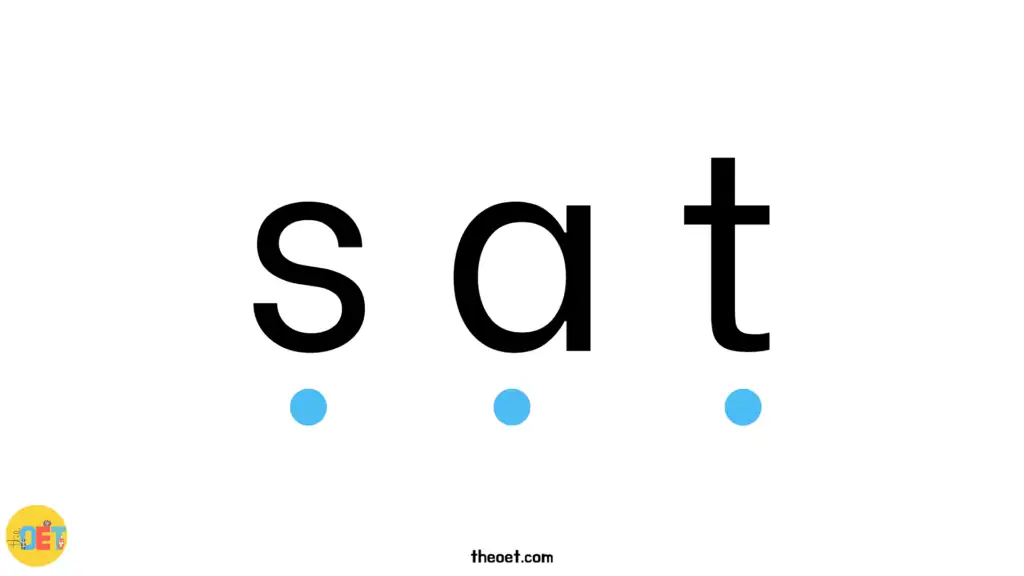
- sat: s a t
- tan: t a n
- pin: p i n
- nap: n a p
- cog: c o g
- sad: s a d
- tick: t i ck
- duck: d u ck
- hen: h e n
- bug: b u g
- fun: f u n
- stuff: s t u ff
- egg: e gg
- leg: l e g
- bill: b i ll
- boss: b o ss
- sit: s i t
- kid: k i d
- hut: h u t
- bell: b e ll
The pattern is always the same:
- Say the letter sounds slowly, one by one.
- Repeat them a little faster.
- Say the whole word.
You can copy this pattern when you practise without the video. Use your finger, tap each sound, then slide your finger as you say the whole word.
Sight Words in Phase 2
Sight words are very common words that are tricky to sound out, or that you want your children to recognise quickly without blending. They appear often in sentences, especially when children start to read simple books.
The video practices these sight words:
- go
- the
- I
- to
- no
Each word appears on a coloured card, and your children are asked to read it, then repeat it. You get a quick review at the end:
go, the, I, to, no, I
You can pause on each sight word and ask your children to point, say, and then use it in a little sentence:
- I go.
- No bus.
- The dog.
Short, simple, and very helpful.
When my own children were learning phase 2 phonics sounds, we practised simple sight words with little games that you could play too. We would use a whiteboard to take turns writing a sight word and revealing it for people to read in 5 seconds.
I would also write each sight word on an individual piece of paper and attach them to different areas of one room. I would call out one word at a time for my children to find and run to. They really enjoyed this…and then enjoyed it even more when they were the ones calling out the words for me to run to!

Simple Sentences Using Phase 2 Phonics Sounds
Phase 2 does not stop at single words. The video moves on to short, child-friendly sentences that use the same sounds and sight words your children have just practised.
Here are the sentences used:
- I sat.
- No sit. Nan sit.
- Go Dad go.
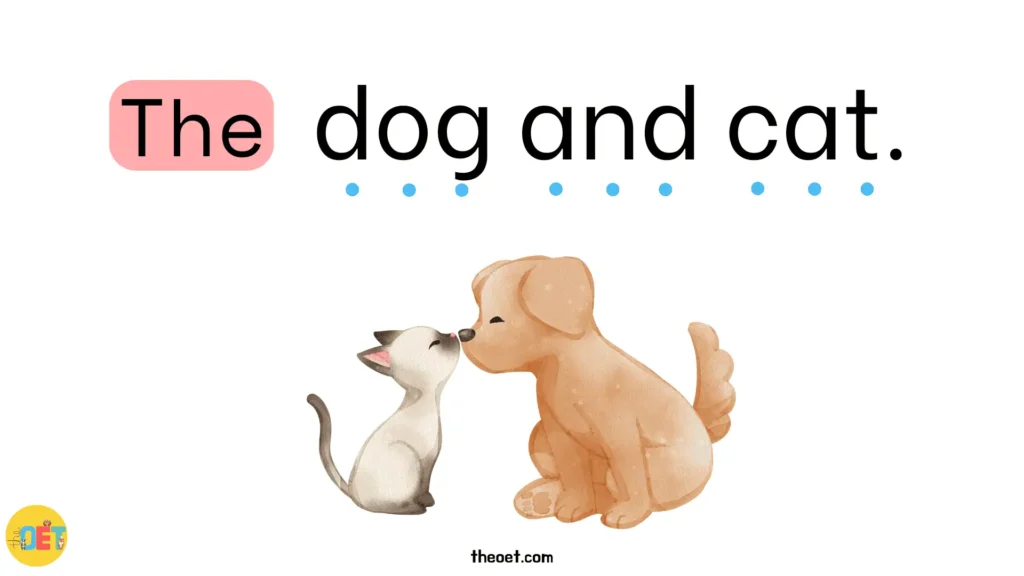
- The dog and cat.
- I go to the hut.
- I run to the bus.
- I can huff and puff.
- I can go on the grass.
Each sentence is read slowly, with sounding out where needed, then read again more smoothly. Your children are then invited to read it too.
This is where many children suddenly feel, I can really read. Even if the sentence is very short, that feeling is powerful, especially for young English learners. Once they can read a handful of sentences, their confidence increases and therefore so does their motivation to read even more.
How to Use the Video With Young Learners at Home
You can treat the video as a ready-made phonics lesson that you control. You choose the speed, the focus, and how many times to repeat, without the stress of needing to know all of the sounds yourself.
Here is a simple way to use it at home.
1. Watch Once All the Way Through
The first time, just sit together and enjoy it.
- Join in saying the sounds.
- Let your children repeat words and sentences.
- Keep it relaxed and playful.
If your children are feeling shy or nervous, you can say the sounds yourself first and invite them to copy you.
2. Use Pause as Your Best Friend
On later days, use the pause button so you can:
- Repeat tricky sounds, such as ck or ss
- Spend longer on blending words like duck or bell
- Encourage your children to answer before I read the word in the video
A good pattern is:
- Pause when a new sound or word appears.
- Say, Your turn.
- Then play again so your children can check.
This small delay builds confidence and gives them an extra chance to think.
3. Focus on One Part at a Time
You do not need to cover everything in one session. You might:
- One day, watch only the sound practice at the start.
- Another day, focus on blending words.
- Another time, skip straight to sight words and sentences.
Short, regular practice usually works better than one long session, especially for very young children or tired parents.
4. Join In as a Learning Partner
If you join in, your children see reading as something you share, not a test they must pass.
You can:
- Say the sounds and pretend to get one “wrong”, then correct it together.
- Cheer when they blend a word by themselves.
- Use a kind voice when they are unsure.
That joint effort matters a lot, especially in an ESL home where you are building new language habits together.

Extra Practice Ideas After Watching
Once the video finishes, you can keep practising phase 2 phonics sounds in simple, low-prep ways. You do not need a big pile of worksheets, that will discourage your children (unless they enjoy lots of worksheets then go ahead). Instead, try to keep it as interactive, hands-on, and playful as possible. Here are some ideas:
Sound and Word Games
Try some of these at home:
- Sound hunt: Choose a sound, like s. Walk around your home and find things that start with that sound, such as sock, spoon, soap.
- Word cards: Write a few words from the video, such as sat, pin, hut, dog, bus, on small pieces of paper. Turn them over and flip one at a time to read together.
- Silly sentences: Use the words from the video to make fun sentences, like The dog sat on the bus or Nan can sit on the hut. It does not need to make sense. The goal is reading practice and laughter.
Sight Word Practice
To help the sight words stick, you can:
- Put go, the, I, to, no, on sticky notes and place them on doors or furniture.
- Ask your children to “collect” them by reading them aloud before bed.
- Make a simple sentence strip, such as I go to the bus, and let your children move the word cards into place.
- Write them in chalk outside if you have access to an outdoor space. Shout out a word for your children to find and jump onto.
- Turn your words in chalk into a hopscotch game. Say one word that your children have to avoid and not jump on.
Reading Sentences Together
Copy some of the sentences from the video on paper or a whiteboard:
- I sat.
- Go Dad go.
- I go to the hut.
- I can go on the grass.
Then:
- Point under each word as you read it aloud.
- Swap roles and let your children be the teacher.
- If they get stuck, help them sound out one word at a time.
Repeating the same sentences on different days is very helpful. Repetition is not boring for young learners, it is comforting and builds speed.
Helpful Extra Resources
If you want more support after this video, you can:
- Use the full Phase 2 Phonics Sounds playlist from me at theOET, where each video focuses on only a set of sounds from the phase 2 phonics sound list. You can find it in the Phase 2 Phonics Sounds playlist on YouTube.
- Download printable activities, flashcards, and games from the Free Resource Library, which you can print and use at home.
Both options help you keep things fresh while still staying on the same set of sounds and skills.
Supporting ESL Families in Phase 2
If you are learning English as a family, phase 2 can support everyone, not just your children.
You can:
- Practise the sounds yourself so your children hear clear models.
- Use the simple words in your daily talk, such as go, bus, dog, sit.
- Read the sentences together and then act them out, for example, all “run to the bus” or “sit on the grass” in your living room.
You do not need perfect English to help your child. Your effort, your time, and your warmth are what really count.
Explore the FREE Resource Library
Fun, educational activities for children aged 3–8 completely free!
Discover a growing collection of printable games, vocabulary activities, crafts, and themed resources designed to help children build language and literacy skills through stories, play, and creativity.
Spend less time searching for activities and more time learning, playing, and creating together.
Phase 2 is the bridge between hearing sounds and reading real words, and you now have a full set of lessons that walk you through the phase 2 phonics sounds for kids. These videos can help you blend each sound into words and use them in simple sentences. By watching the video together, pausing often, and adding a few fun games afterwards, you give your children a strong, happy start with reading.
Keep it relaxed, create a regular routine, and celebrate every small win. Your children are not just learning sounds, they are becoming a strong, capable reader, and you are guiding them every step of the way.


