

Understanding phonics is an important foundational step in developing fluent reading skills and boosting comprehension. Learning phonics can not only help your children to read in English but can also boost their confidence. By understanding the sounds that letters make, your children can:
- Navigate unfamiliar words with ease
- Improve their reading accuracy and speed
- Gain confidence when facing new English texts
As you continue reading this article, you’ll discover practical ways to support your children’s phonics journey at home, helping them flourish as they tackle this English language skill.
Table of Contents
- What are Phonics Sounds?
- Benefits of Learning Phonics Sounds
- Effective Strategies to Learn Phonics Sounds
- Resources for Learning Phonics Sounds
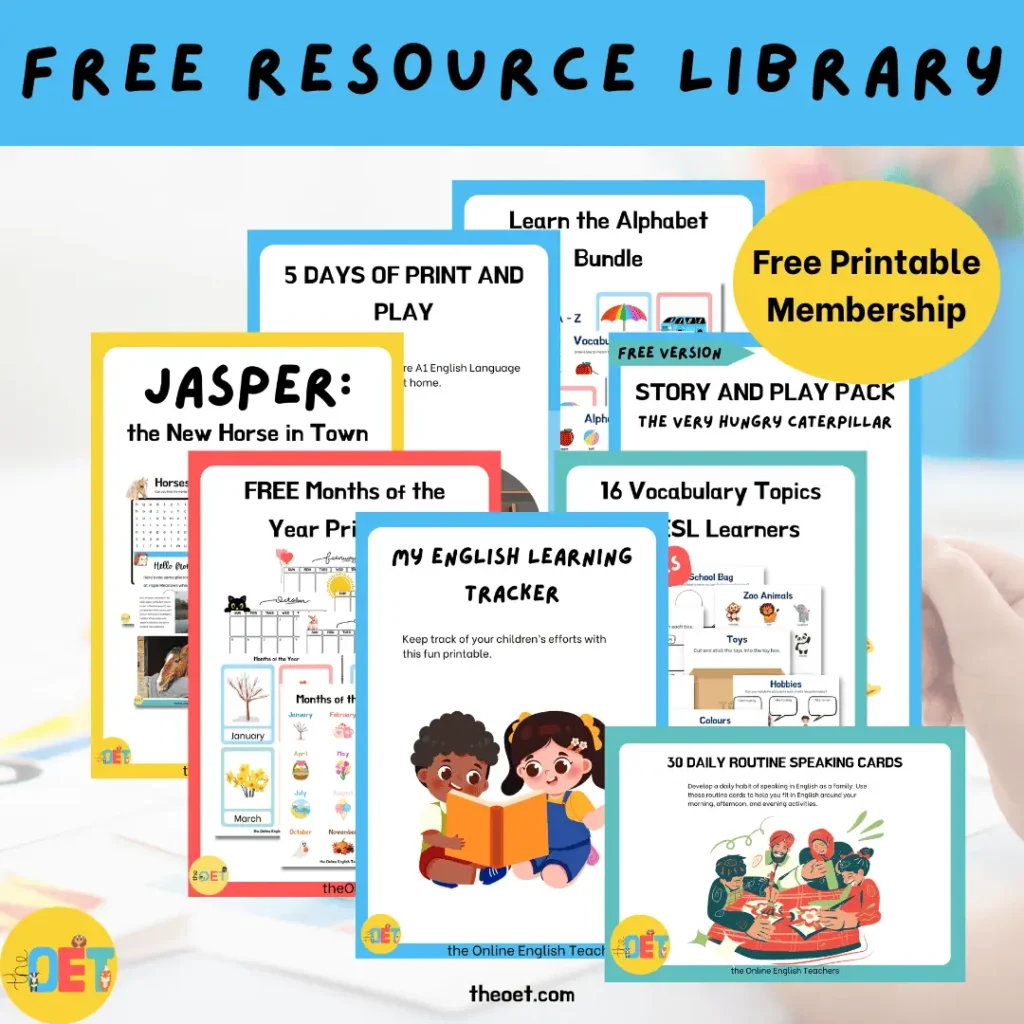
Join the FREE Resource Library
Looking for FREE quality printables, templates, and guides to help you teach your kids ESL at home?
Join theOET’s FREE Membership and gain access to 10s of resources designed by a qualified teacher to help your family learn English at home.
New resources are added every month. Save time, money, and stress with pre-made educational printables and guides.
Disclaimer: This post contains affiliate links. If you choose to make a purchase using these links, I may earn a small commission at no additional cost to you. You can view the full affiliate disclosure here.
What are Phonics Sounds?
Understanding phonics sounds provides the building blocks for reading English words. When you grasp how phonics sounds work, you’re giving your children the tools to be able to identify sounds correctly, decode, and read words accurately.
Definition of Phonics Sounds
Phonics sounds are the distinct sounds associated with each letter or group of letters in the English language. Each letter represents a specific sound, and groups of letters, known as digraphs and trigraphs, create certain sounds that help build English words.
When children learn these sounds, they start to understand how different letters combine to form words. This foundational skill is crucial in helping your children decode words they come across in reading by recognising the sounds each letter or group of letters makes.
Types of Phonics Sounds
To navigate phonics, you need to know the different types of phonics sounds. Here’s a quick guide to get you started:
- Consonant sounds:
These are the most straightforward sounds for many learners. Each consonant has a specific sound like the ‘b’ in ‘ball’ or the ‘d’ in ‘dog’. By learning these, your children can quickly identify the sounds in many words.
- Vowel sounds:
Vowels can be a bit tricky, as they have both short and long sounds. For instance, the ‘a’ in ‘cat’ is short, while the ‘a’ in ‘cake’ is long. Understanding these variations helps your children with pronunciation and reading fluency.
- Digraphs:
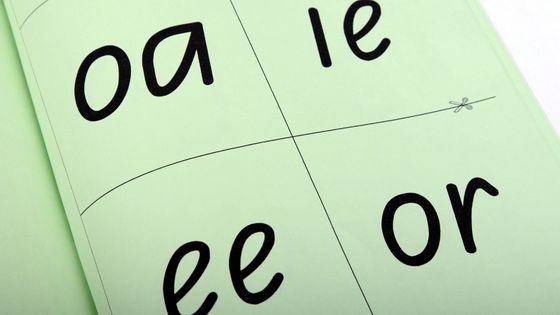
A digraph occurs when two letters combine to create a single new sound. Think of ‘th’ in ‘this’ or ‘sh’ in ‘ship’. These combinations can be puzzling initially but mastering them can greatly increase reading capability.
- Trigraphs:
Similar to digraphs, a trigraph is when three letters come together to form a single sound e.g. “ear” in “hear” or “igh” for “bright”.
- Blends:
These are groups of two or three consonants that blend together, with each sound being heard. Examples include ‘bl’ in ‘blue’ or ‘str’ in ‘street’. Learning to recognise blends aids in smoother and more fluent reading.
Keep these types of sounds in mind as you support your children’s journey to learn phonics sounds, helping them build a robust foundation for mastering English reading and comprehension.
Benefits of Learning Phonics Sounds
Once your children begin to understand the sounds linked to each letter, they can make sense of new words and sentences, unlocking huge reading potential. Take a look at these key benefits of utilising phonics to learn to read.
Improved Reading Skills
Phonics serves as the gateway to decoding words. When your children learn phonics sounds, they start recognising patterns. For example, if your child knows the sounds “a” and “t”, they can blend them together to form “at”. This then opens opportunities to be able to read many words such as “cat”, “hat”, “mat”, “sat”, and so on.
This process builds their reading proficiency by enabling them to:
- Identify unfamiliar words more easily
- Sound out words and phrases smoothly
- Develop a fluid reading rhythm
When your children grasp this concept, they move from mere word recognition to meaningful comprehension, laying the groundwork for fluent reading.
Enhanced Spelling Abilities
Understanding phonics doesn’t just boost reading; it sharpens spelling too. Phonics teaches your children the sound structure of words, which is vital for spelling accuracy.
They are able to decode words with the sound units they know to help them become spelling pros. For example, if your children know the sounds “sh” “ow” “ch”, they can start to spell a range of words such as “ship”, “show”, “lunch”, “chip”, and “bow”.
With phonics, your children learn to:
- Break down complex words into smaller sound units
- Recognise sound patterns that frequently occur in words
- Spell unfamiliar words by applying known phonetic rules
This knowledge empowers your children to spell words with confidence, even those they haven’t encountered before.
Increased Confidence in Reading
As your children become more familiar with phonetic sounds, their reading out loud transforms from a task they struggle with and find uncomfortable to an enjoyable experience. When children can recognise sounds, and read fluently with fewer errors, they can feel a real sense of achievement, leading to increased self-esteem.
With phonics, your children’s confidence blossoms because they can:
- Approach reading assignments with eagerness rather than hesitation
- Speak up more crisply and clearly when reading to others
- Enjoy a sense of achievement after tackling new materials
With a solid phonics foundation, your children’s reading journey is a personal achievement and can lead to your children reading for fun, not just for learning.

Effective Strategies to Learn Phonics Sounds
Supporting your children’s journey to learn phonics sounds can be a rewarding and engaging experience. To make this element of learning English as enjoyable as possible for your children, try to steer clear of traditional learning methods that focus solely on repeating and writing.
Include a good mix of activities that incorporate hands-on and play-based learning. Creativity, technology, and consistent practice will benefit your children and help them gain desired results.
This section will explore some playful yet effective strategies to help your children master phonics sounds, ensuring their path to reading fluency is both enjoyable and productive.
Join the FREE Resource Library
Looking for FREE quality printables, templates, and guides to help you teach your kids ESL at home?
Join theOET’s FREE Membership and gain access to 10s of resources designed by a qualified teacher to help your family learn English at home.
New resources are added every month. Save time, money, and stress with pre-made educational printables and guides.
Interactive Activities
To make phonics learning an exciting adventure, practical and interactive activities can go hand in hand to entice your children’s attention. They not only motivate your children to participate but also make the learning process much more enjoyable. Try these activities:
- Phonics Games: Turn learning into a game by incorporating phonics-based activities. Games like “Sound Match” or “Letter Hunts” can transform your living room into a phonics playground. By associating specific sounds with exciting challenges, these games encourage active participation and quick sound recognition.
- Flashcards: Create a set of colourful flashcards with letters and corresponding sounds. Make it a fun family activity by turning it into a quick-paced quiz. Flashcards are versatile and can be used in various settings, whether at home or on the go.
- Songs and Rhymes: Music is a powerful learning tool. Utilise songs and rhymes that focus on phonics sounds. These cheerful tunes help reinforce sound patterns and aid memory retention, allowing your children to recall sounds effortlessly.
Utilising Technology
With so many incredible websites and apps available at your fingertips, you can leverage technology to enhance your children’s phonics learning. A variety of apps and online resources are available to support this process with engaging content.
Look for phonics apps designed for children, which often include interactive exercises, puzzles, and games focused on sound recognition. Websites with phonics resources can offer invaluable practice through fun and interactive activities. These tools can complement traditional learning by offering new ways to explore phonics sounds and track progress.
Here are some free tools to get you started:
- Khan Academy Kids: This app offers a wide variety of educational content, including phonics and early reading. Its colourful interface and diverse activities make it appealing for young learners while supporting development across other subjects too.
- Blending Board: This digital tool is great for practising phonics blending. You can customise word lists to help children focus on specific sounds, making them adaptable for different learning needs. (On Google Play | Apple App Store)
- Pocket Phonics Stories: This app combines phonics lessons with simple storybooks. Kids can practise letter sounds, blending, and reading while enjoying short, entertaining stories that connect learning with fun. (On Apple App Store)
Consistent Practice and Reinforcement
Consistency is key when it comes to learning phonics sounds. Regular practice ensures that new skills are reinforced and retained over time. Here are a few tips to keep practice consistent without feeling repetitive:
- Daily Reading Rituals: Make a habit of reading together daily. Choose books that emphasise phonics sounds, encouraging your children to sound out words they encounter.
- Sound-of-the-Day: Introduce a ‘Sound-of-the-Day’, focusing on one particular sound each day and finding words that contain it. This keeps practice targeted and manageable.
- Reward Systems: Use positive reinforcement to motivate regular practice. Simple reward systems, like sticker charts or praise, can make your children’s effort feel rewarding and encourage further learning.

Resources for Learning Phonics Sounds
Helping your children grasp phonics sounds is an important step to aid their early reading skills, but you might wonder where to find the right resources. With a wealth of options available, from traditional books to innovative online tools, there is something suitable to every learning style and budget. Here’s how you can provide ample support to your young learners.
Books and Guides
Books remain an invaluable resource when it comes to learning phonics sounds. Here are a few guides and books you could consider:
- “Making Sense of Phonics” by Isabel L. Beck and Mark E. Beck: provides step-by-step guidance, sample lessons, and engaging activities that teachers and parents can use.
- “Teach Your Child to Read in 100 Easy Lessons” by Siegfried Engelmann: This classic guide has been widely used for decades, offering a structured approach that simplifies the teaching process.
- “Jolly Phonics Workbooks”: These are popular among educators for their interactive and hands-on style. Each workbook focuses on different phonics sounds and blends, making learning a step-by-step exploration.
For reading practice, here are some great phonics stories for your children to read:
- Usborne Readers: they offer a wide range of engaging phonics-based stories designed for early readers. Each book uses repetitive language patterns and carefully chosen vocabulary, making it easier for children to sound out words and develop their reading skills in small, manageable chunks.
- Oxford Reading Tree: is a trusted resource for parents and teachers, featuring high-quality stories across varying reading levels. The series combines imaginative storytelling with phonics and comprehension practice, ensuring children improve both their word recognition and understanding of what they read. Its structured approach is ideal for mastering literacy gradually.
- Jolly Phonics Readers: these are great for reinforcing the sounds and actions taught in the Jolly Phonics programme. The books are divided into three levels, starting with basic sounds before introducing trickier digraphs and blends. Their focus on synthetic phonics makes these books an excellent choice for children who need clear, systematic learning.
- Rhino Readers, developed by Twinkl: these books align perfectly with classroom phonics strategies while offering fun stories kids love. With a strong emphasis on progression, they introduce sounds in a logical order and gradually increase complexity.
These resources don’t just provide information; they offer strategies to make learning phonics sounds an enjoyable part of everyday life.

Online Tools and Websites
Online tools and websites help bring learning to life with animations, games, and interactive content. Not to mention they’re great for busy families who are always on the go. Here are some reputable options:
- ABCmouse: This site offers a comprehensive programme that covers all aspects of phonics. It’s engaging, with activities that will keep your children interested and learning.
- Starfall: Known for its phonics-based games and activities, Starfall is a favourite among parents and teachers. The site provides tools for learning in a fun, interactive way.
- Teach Your Monster To Read: This app provides a fun, interactive way to teach phonics, letters, and reading skills. Children create a monster character and guide it through activities, keeping learning enjoyable and engaging.
- Jolly Learning Online Resources: Based on the popular Jolly Phonics programme, their online materials are well-suited for reinforcing sounds and letter combinations.
These online tools turn the learning process into an adventure, allowing your children to interact with phonics sounds through activities that feel like play. Utilising these resources below your children not only builds their confidence with early literacy skills but also develops a love for reading.
Helping your children learn phonics sounds is a key component in English reading and comprehension. As you guide them through this journey, it’s clear that phonics does more than teach reading. It also builds their confidence and curiosity in a new language.
By focusing on phonics, your children can:
- Decode unfamiliar words with growing ease.
- Develop accurate and confident pronunciation.
- Enjoy reading as an exciting adventure rather than a daunting task.
Explore the resources and strategies discussed to support your children’s learning adventure. Whether it’s through engaging interactive activities or utilising digital resources, these tools can transform phonics learning into a fun and rewarding experience for the whole family.
Join the FREE Resource Library
Looking for FREE quality printables, templates, and guides to help you teach your kids ESL at home?
Join theOET’s FREE Membership and gain access to 10s of resources designed by a qualified teacher to help your family learn English at home.
New resources are added every month. Save time, money, and stress with pre-made educational printables and guides.

