

Fables have been used for centuries to teach important lessons to children in a simple, memorable way. For children learning English as a second language (ESL), these short stories can not only offer this, but can also introduce new vocabulary, improve comprehension, and spark creativity.
Another area of English fables can support is in children’s writing skills. By turning fables into creative writing exercises, you’re giving your children a chance to practise their skills in a relaxed and imaginative way.
This post shares a range of fable creative writing exercises that help your children with their English skills, but also build confidence and encourage self-expression. Keep reading to explore how you can use fables at home to support your children’s learning.
Table of Contents
- What are Fables?
- Why Use Fables for ESL Learning?
- Creative Writing Exercises Using Fables
- Tips for Engaging Children in Fable Writing

Explore the FREE Resource Library
Fun, educational activities for children aged 3–8 completely free!
Discover a growing collection of printable games, vocabulary activities, crafts, and themed resources designed to help children build language and literacy skills through stories, play, and creativity.
Spend less time searching for activities and more time learning, playing, and creating together.
What Are Fables?
Fables are short, imaginative stories that have captivated audiences for generations. They’re not just another children’s book but serve an educational purpose too, delivering clear moral lessons in a way that’s easy to understand.
What makes fables particularly valuable is their universal appeal. They support all children to grow their English language skills. Whether it’s through a story with talking animals or relatable scenarios, fables help children reflect on behaviour and choices in everyday life. Here are some key elements to what makes a fable unique and look at some examples you’ll probably recognise.
Key Characteristics of Fables
At their core, fables have several defining features that make them ideal for teaching lessons, especially for children learning English. Fables offer:
- Anthropomorphic Characters: Most fables feature animals, plants, or even objects acting like humans. They talk, think, and behave in ways that make them relatable to the reader. This makes it easier to introduce complex ideas in a way that feels simple and natural. For example, a fox may symbolise cunning, while a tortoise might embody patience.
- A Clear Moral Lesson: Every fable has a straightforward lesson or piece of wisdom that’s often stated outright at the end of the story. These lessons address universal values surrounding behaviour or choices, making them appealing to all families, no matter your origin.
- Simplicity of Language: Fables keep their language direct and accessible. The sentences are short, and the vocabulary is easy to follow. This makes them perfect for ESL learners who are building confidence with new words and sentence structures.
- Short and sweet but with Purpose: Fables are short, typically no longer than an A4 page or two. This length holds a child’s attention and ensures the message is communicated without unnecessary details.
By combining these features, fables create a storytelling format that’s engaging and effortless to follow, perfect for creative writing exercises.
Examples of Popular Fables
Some fables are so well-loved that they’ve been rewritten time and time again to be accessible at all ages and in different languages. Here are a few tables you’ve probably heard of and the important lessons they teach:
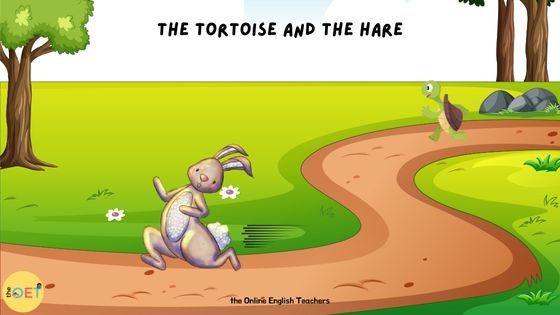
- The Tortoise and the Hare: This classic tale is about a slow-moving tortoise who wins a race against a speedy but overconfident hare. The moral of this story is “Slow and steady wins the race.” It’s not about how quickly you finish but about consistency and determination.
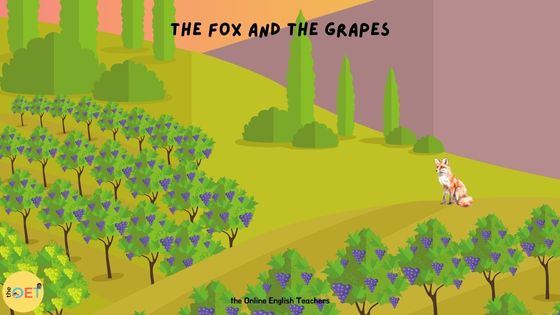
- The Fox and the Grapes: In this story, a fox tries to reach a bunch of grapes hanging high on a vine but eventually gives up, claiming they were sour anyway. The lesson is about how people sometimes dismiss what they can’t have, a concept known as “sour grapes.”
- The Boy Who Cried Wolf: This one warns against lying. A shepherd boy repeatedly tricks others into believing a wolf is attacking his flock. When a wolf finally does appear, no one believes him. The moral of this story is an important one across many cultures: “Honesty is the best policy,” because trust is hard to regain once lost.
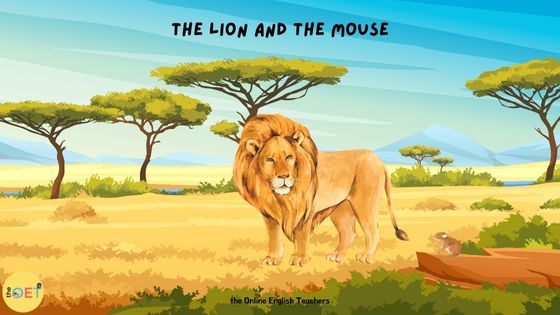
- The Lion and the Mouse: A tiny mouse repays a lion’s mercy by saving it from a hunter’s net. The lesson here is that no act of kindness is too small, and even the weakest can help the strongest.
Each of these stories is short, memorable, and packed with meaning, making them a perfect resource for your children’s creative writing tasks.
Why not use one as a starting point to inspire a new story together? Haven’t found the right story? Check out this post that shares 11 fable stories your family can read together at home.
Reading favours is a fun way to weave in new words, phrases, and ideas while keeping things lighthearted.
Why Use Fables for ESL Learning?
Fables are a fantastic tool when teaching English as a second language. By combining clear language with meaningful lessons, they engage young learners while helping them build important skills. Here are just some of the benefits of using fables to help your children improve their English skills at home:
Improving Vocabulary and Grammar
One of the best things about fables is their use of straightforward language. The sentences are typically short and repetitive, which makes them easier for learners to follow. This simplicity allows children to focus on new words and grammatical patterns without feeling overwhelmed.
Here’s how fables can help with vocabulary and grammar:
- Repetition of Key Words: Many fables repeat central words and phrases, reinforcing their meaning in a natural way. For instance, in “The Tortoise and the Hare,” phrases like “slow and steady” pop up throughout, which helps children grasp them faster.
- Simple Grammar Structures: Fables stick to basic sentence formats like subject-verb-object, making them easier to understand. This also gives your child a handy framework for forming their own sentences.
- Descriptive Vocabulary: Fables include vivid, descriptive words that bring characters and settings to life. Words like “slippery,” “brave,” or “grumpy” spark curiosity and expand a child’s vocabulary.
If you want to take things further, encourage your children to pick out new words and try creating their own sentences. It’s a practical, hands-on way to reinforce learning and review new content introduced to them.
Encouraging Comprehension and Storytelling
Fables do a brilliant job of teaching storytelling, and they’re great for helping your children practise comprehension skills.
When your children read or listen to a fable, they naturally start to think about the sequence of events, the characters’ motives, and the overall message. This fosters an understanding of how stories are structured, a vital aspect of language learning.
Retelling fables is especially useful as it allows your children to:
- Understand Story Structure: Fables follow a straightforward beginning, middle, and end. By recalling events in order, your children learn how stories flow.
- Enhance Speaking Skills: When retelling fables in their own words, children practise pronunciation, sentence structure, and expressive language.
- Develop Creativity: As they grow more confident, children can tweak the stories or create their own endings. This kind of creativity makes learning fun and helps their skills stick.
For an easy activity, read a fable together and ask questions like “What happened first?” or “Why did the fox give up?”. Then let your children retell the story using their own phrases.
Learning Moral Lessons
One of the unique things about fables is their ability to weave a moral lesson into simple storytelling. These lessons aren’t just about right and wrong but they often reflect cultural and ethical values, helping your children connect emotionally with the language they’re learning.
Fables help children:
- Understand Cultural Contexts: Fables often highlight universal values like honesty, kindness, and perseverance, helping children see how these ideas are expressed in English.
- Make Lessons Memorable: A story tied to a practical lesson will stay in your children’s minds much longer than a standalone grammar rule.
- Encouraging Thoughtful Conversations: Talking about the moral of a story can lead to meaningful discussions. For example, after reading “The Lion and the Mouse,” you could ask, “Why is kindness important, even if someone seems small or powerless?”
These moral lessons bring depth to the learning experience and make the language more relatable. By using fables, you’re giving your children tools to understand the world around them.
Creative Writing Exercises Using Fables
Creative writing exercises inspired by fables can be a fantastic way to spark imagination while building essential language skills. These activities are especially helpful for children learning English as a second language (ESL), as they combine storytelling with practical language practice. Best of all, they can make learning more enjoyable and stress-free. Below are some fun ideas to try at home with your children:
Explore the FREE Resource Library
Fun, educational activities for children aged 3–8 completely free!
Discover a growing collection of printable games, vocabulary activities, crafts, and themed resources designed to help children build language and literacy skills through stories, play, and creativity.
Spend less time searching for activities and more time learning, playing, and creating together.
Rewriting a Fable with a Twist
Encourage your children to put their own spin on a classic fable. Take a story they already know, like The Tortoise and the Hare, and suggest changing one key detail.
Here are a few ideas to get started:
- Switch the Ending: What if the hare actually wins the race, but doesn’t feel as proud as he expected?
- Change the Setting: Could the race take place in a bustling city instead of a forest? How might that affect the story?
- Alter the characters: Would the story be the same if you used different animals or people?
This approach builds creativity while reinforcing sentence structure and vocabulary. Encourage your children to rewrite the fable, focusing on how the twist changes the plot or moral.
Creating a Modern-Day Fable
Ask your children to write a fable set in today’s world. They can use animals, objects, or even people to tell a story with a lesson behind it. How about a pigeon teaching a lesson about online safety? Or a talking smartphone teaching patience?
To guide them:
- Help them pick a modern-day scenario they find relatable, such as a school setting or a trip to the park.
- Suggest creating characters with human traits e.g. a distracted cat, a determined lamp, or a shy robot.
This activity encourages originality while helping your children practise storytelling. Plus, it’s a great way to build connections between their everyday experiences and language learning.

Illustrating and Captioning a Fable
If your children love to draw, this exercise will combine art with writing. Have them pick a favourite fable and draw scenes from it. Once the illustrations are complete, they can write captions describing what’s happening in each picture.
For example:
- A drawing of the tortoise crossing the finish line can have a caption like, “The tortoise wins because he never gave up.”
- A picture of a sly fox walking away might say, “The grapes were too high, so the fox pretended they were sour.”
You could even take this up a notch by encouraging your children to build their illustrations into a comic version of their favourite fable story. They could include captions, speech, and onomatopoeia to really bring their creation to life.
Writing captions strengthens descriptive language and reinforces storytelling in a visual way. It also gives your children a sense of accomplishment as they bring the story to life.
Writing Dialogue for Fable Characters
Dialogue writing is an excellent way to practise sentence structure, punctuation, and conversational language. Ask your children to imagine a conversation between the characters in a fable. What might The Boy Who Cried Wolf say to his neighbours after they stopped believing him? How could the lion and the mouse chat about their unlikely friendship?
Here are some things to keep in mind:
- Focus on Emotions: How do the characters feel? For example, the boy might sound guilty but also frustrated.
- Add Expression: Use punctuation like question marks or exclamation points to show feelings.
- Keep It Realistic: Encourage your children to write dialogue the way people talk in real life with short, natural sentences.
Through this exercise, your children learn how to bring characters to life while practising essential writing skills.
Turning a Fable into a Play
Children love role-playing, so one creative writing idea is to turn a fable into a short play. Start by helping your children adapt a story into a script. Label the character lines, add simple stage directions, and divide the roles between family members.
For instance:
- The narrator introduces the setting: “Once upon a time in a peaceful forest…”
- The hare could boast, “I’m the fastest in the forest, why should I worry about a tortoise?”
- The tortoise might respond, “We’ll see who wins!”
This activity encourages teamwork and creativity while reinforcing dialogue writing. Acting out the play brings an extra layer of fun, giving your children a reason to practise speaking clearly and confidently in English.
By using these fable creative writing exercises, you’re making English more exciting and incorporating alternative writing tasks vs. completing traditional workbooks to demonstrate their understanding. With each activity, they’ll discover new ways to express themselves and grow more confident in the language.
Tips for Engaging Children in Fable Writing
Fable writing can be a wonderfully creative activity, particularly when it comes to encouraging children to think critically and express themselves. To keep them interested, it’s helpful to make the process interactive and fun. Here are a few practical techniques you can use to get children engaged in creative writing.
Using Visual Aids and Props
Children often connect better with stories when they can see or touch something related. Visual aids and props can bring a fable’s characters and setting to life, helping young writers immerse themselves in the storytelling process. Try to make use of:
- Pictures: Use illustrations of animals or scenes to spark ideas. For example, a picture of a clever fox might inspire a story about outsmarting obstacles.
- Puppets: Hand or finger puppets let your children act out potential fable scenarios. This can make the characters’ motivations easier to understand and translate into writing.
- Everyday Objects: Incorporate everyday objects when acting out the story From a toy car to a spoon, almost anything can become a “character” in their story.
Using these tools allows children to visualise and interact with their ideas, which often makes the writing process less intimidating. Plus, it’s a great excuse to get creative with the materials you have access to at home.
Reading Aloud and Acting Out Stories
If you want children to understand how engaging a story can be, reading it aloud is a great place to start. Hearing how characters sound or how the story unfolds helps children experience the rhythm and flow they can aim for in their own writing.
- Dramatic Reading: Read a fable out loud with as much expression as you can offering different voices for characters, pauses for effect, or changes in tone to reflect emotions. Encourage your children to join in the dialogue or act as the narrator.
- Acting It Out: Have your children act out the story with you. For instance, they could play as “The Tortoise” in the famous race or pretend to be “The Mouse” bravely releasing the lion.
These activities not only make the experience enjoyable but also deepen their understanding of the story structure and its morals. Writing a fable becomes less about sitting still and more about movement and expression, which is particularly helpful if your children are fidgety or find writing challenging.
Encouraging Group Collaboration
Two minds are better than one, particularly for children still building confidence in their ideas. Collaborative writing or storytelling exercises can make the process less daunting and much more enjoyable. Consider using these activities:
- Round-Robin Storytelling: In a group, take turns creating the fable sentence by sentence. For instance, one child starts with “Once upon a time, there was a greedy squirrel,” and the next continues with, “It found more acorns than it could carry…”
- Team Character Development: Split tasks. One participant thinks up the characters, and another decides on the fable’s setting. Together, they agree on the moral lesson and plot points.
- Role Play: Assign roles, such as someone writing the story, another being an illustrator, and someone else crafting dialogue. This gives everyone a chance to contribute in their own way.
Working together on a fable helps children learn the value of teamwork and encourages them to bounce ideas off each other. It’s also a brilliant way to practise compromise and communication skills that will benefit them far beyond the writing exercise itself.
Using fable creative writing exercises at home is an enjoyable and effective way to support your children’s ESL journey. These activities teach valuable lessons, enhance language skills, and encourage self-expression while keeping learning fun.
By integrating these exercises into your routine, you’re helping your children build confidence in their vocabulary, grammar, and storytelling. Plus, they’ll develop creativity and problem-solving skills that go far beyond language learning.
Try these exercises with your children at home and watch their imagination come to life.
Which fable will inspire your first story together?
Explore the FREE Resource Library
Fun, educational activities for children aged 3–8 completely free!
Discover a growing collection of printable games, vocabulary activities, crafts, and themed resources designed to help children build language and literacy skills through stories, play, and creativity.
Spend less time searching for activities and more time learning, playing, and creating together.

