
Do your children ever say to you that “learning English is boring”? Or perhaps it’s a struggle getting your kids to even sit down and complete their English language activities? Well, you’re not alone!
Many children don’t want to spend extra time studying outside of school, let alone a topic that can be quite challenging such as English. Many parents face the same battles day in and day out trying to encourage their children to take their learning more seriously and study hard for their future.
But, it doesn’t have to be this way. Did you know that there is a way to motivate your children to learn English, without a daily struggle?
The answer is to teach English to kids in a fun way. I don’t mean spending money on an expensive language-learning platform. I mean there are simple, yet effective strategies you can implement and resources you can use at home to make language learning fun for your children.
This post will explore creative ways to teach English to kids ensuring that they enjoy the process and have fun. From interactive games to lively storytelling sessions, there’s a multitude of activities that make language learning a joy. Read on to uncover methods that could make your children’s learning journey an exciting experience.
Key Takeaway: Involving kids in engaging tasks not only makes learning English enjoyable but also aids in their ability to pick up the language naturally. As your children have fun, their motivation to learn English increases leading to improved participation and performance.
Table of Contents
- Understanding the Needs of Children Learning English
- Interactive Learning Techniques
- Incorporating Technology
- Creating a Positive Learning Environment

Explore the FREE Resource Library
Fun, educational activities for children aged 3–8 completely free!
Discover a growing collection of printable games, vocabulary activities, crafts, and themed resources designed to help children build language and literacy skills through stories, play, and creativity.
Spend less time searching for activities and more time learning, playing, and creating together.
Understanding the Needs of Children Learning English
When teaching English to kids in a fun way, it’s important to understand their unique needs. By identifying how children naturally grow and learn, you can create a more engaging and effective learning experience. Knowing how they develop and what styles they prefer will help you tailor lessons at home to fit your children perfectly.
Developmental Stages
Children’s cognitive and emotional development plays a big role in how they learn languages. Younger children are like sponges and can soak up languages easily with games, songs, and playing. But, due to their young age and limited vocabulary range, they need simple words and short sentences. As children grow older, they can handle more complex ideas and activities that promote not just language development but also critical thinking and problem-solving skills.
Here are some developmental stages to help you understand how children develop the ability to learn a second language:
- Infants (0-2 years): They pick up sounds and intonation patterns by listening to adults. This stage is crucial for building a foundation for language learning later on.
- Toddlers (2-4 years): Simple words and phrases catch their attention. Repetition and rhyme are key to helping them start forming short sentences.
- Preschool (4-5 years): Storytelling, songs, and games become useful tools. Children start to understand basic grammar and can form more complex sentences.
- Early Primary (6-8 years): They can form opinions and describe events in detail. Reading and writing skills begin to develop, supporting oral language learning.
- Middle Primary (9-11 years): Children can understand and use more complex structures. They enjoy projects that connect language with interests like art or science.
- Adolescents (12+ years): They can debate, discuss abstract ideas, and grasp more intricate grammatical rules. Their vocabulary expands as they engage with diverse content.
These stages represent a natural growth pattern in language learning, helping you guide your children’s learning plan more effectively.
Please note this is an average outline of key developmental stages. Some children will grasp learning a second language, such as English, more easily than others, whereas some children may find specific skills, such as grammar, harder to grasp. Use the average outline as a guide, but adapt your children’s at-home activities based on where they are in their English language development.

Learning Styles
There are various learning styles that people are naturally drawn to, and children are no different. When you understand how your children prefer to learn, you can adjust your educational activities and resources to match their learning styles. This will help them connect with learning English and retain more information in a way that is more natural and meaningful to them. Here are 3 common learning styles that may match how your children understand and retain information:
- Visual Learners: As the title suggests, these individuals learn best through visual stimuli. Elements such as pictures, videos, and colourful charts can grab their attention and help them interpret what they are studying. If your children are visual learners, they may prefer:
- drawing pictures alongside vocabulary words,
- watching videos to learn new material,
- or add different colours/symbols e.g. within their sentences to identify different grammatical structures.
- Auditory Learners: Sound is the key element here. Songs, rhymes, and listening activities work wonders to help your children gain new information. Think of podcasts, conversations, and audiobooks as suitable stimuli for auditory learners. If your children are auditory learners, they may prefer
- listening to others read books rather than reading themselves,
- they might remember fun facts from the radio,
- or like asking questions to discuss rather than reading non-fiction texts.
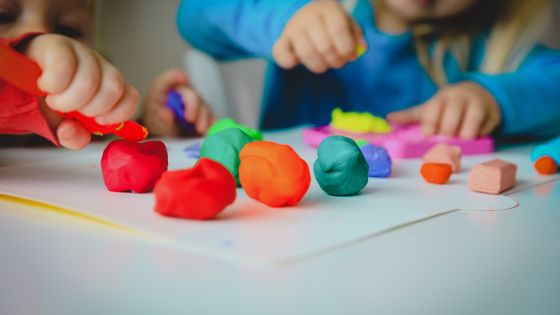
- Kinesthetic Learners: These individuals prefer movement and hands-on exploration in order to interpret the world around them. Activities that include physical movement e.g. Simon says, or being able to manipulate elements such as making playdough figures, are perfect for these learners to grow. If your children are kinesthetic learners, they may prefer:
- Arts and crafts activities,
- Games that include manipulating objects or movement,
- Or storytelling that involves sensory items e.g. eating fruit for The Very Hungry Caterpillar or smelling ginger for The Gingerbread Man.
Pay close attention to the activities your children currently participate in at home. Which resource or activity has helped them retain the most information or kept them engaged for the longest? Once you understand your children’s learning styles, you can plan activities ahead of time to suit them more naturally and increase their enjoyment and retention.
Interactive Learning Techniques
Kids learn best when they’re playing and having fun, so it’s essential to think outside the box. High-interaction activities are ideal for active learning to take place. Incorporate activities that are hands-on, play-based, and multisensory. This way, high engagement is guaranteed, leading to lots of interaction and opportunities for your children to develop stronger English language skills.
Here are some interactive activity ideas you can use at home to teach your kids English in a fun way.
Games and Activities
Games are a fantastic way to make learning English enjoyable. They can encourage kids to learn vocabulary and grammar without even realising it. The magic of games lies in their ability to turn mundane tasks into thrilling challenges. Here are some tried-and-tested favourites:
- Simon Says: This classic involves listening skills and understanding commands, which helps with vocabulary and following instructions. It’s a great game for kinesthetic learners as it incorporates movement with following English instructions.
- Word Puzzles: Creating word searches, crossword puzzles, or anagrams with target vocabulary can be a hit, helping to reinforce spelling and word recognition.
- Charades: Encourage your children to act out words or phrases without speaking, boosting their vocabulary and comprehension through physical activity.
- Memory Match: This game uses cards with pictures and word pairs. The cards are turned over in turns, and children need to try to find and create each pair. It’s fantastic for visual learners and boosts their memory skills.
- Listening Bingo: Create Bingo cards filled with words or short phrases in English. As you say each word aloud, ask your child to place a marker on the matching word on their card. This activity helps with word recognition and improves their listening skills. It’s a fun way to encourage them to pay attention to pronunciation and vocabulary.
Explore the FREE Resource Library
Fun, educational activities for children aged 3–8 completely free!
Discover a growing collection of printable games, vocabulary activities, crafts, and themed resources designed to help children build language and literacy skills through stories, play, and creativity.
Spend less time searching for activities and more time learning, playing, and creating together.
Storytelling and Role Play
Storytelling is extremely effective not only in developing language skills but also in enhancing creativity and imagination. Stories offer children new ideas, a wider range of vocabulary, and opportunities to understand sentence structures and different writing styles. Stories help children:
- Develop Creativity and Imagination: Stories stimulate the mind and expand kids’ understanding of different cultures and scenarios.
- Encourage Role Play: Encourage children to emulate characters from their favourite stories. This will boost their speaking skills and confidence, as they learn to express emotions and dialogues in English.
- Participate in Interactive Discussion: After storytelling, engage your children in asking questions about the story, sparking conversation and comprehension.
Here are a few story-based activities that are effective for making learning English fun:
- Story Time Role Play: Have your children act out a story, taking on different characters. This engages kinesthetic learners and improves their confidence in speaking while making learning a fun adventure.
- Sound Stories: Create simple stories or scenarios. Ask your children to listen carefully as you narrate and then draw what they hear. This activity strengthens comprehension and helps them connect words with images. It’s also a creative way to see how well they understand spoken English and how they can translate that understanding into art. This activity is ideal for both visual and auditory learners.
- Character Mix-Up: Encourage your children to consider what would happen if the roles were swapped in familiar stories. For instance, what if Little Red Riding Hood was the wolf and the wolf delivered goodies to Grandma instead? This activity sparks creativity and language play as they navigate different perspectives. It encourages them to rethink language use in storytelling and makes grammar lessons less daunting.
- Jumbled Story Time: Write a story on cards with each card featuring a key event. Mix them up and let your children reorganise them in the right order. By retelling the story, kids practise sequencing and logical thinking, which are crucial for comprehension. Plus, it’s a fantastic way to build narrative skills and vocabulary in a fun setting.

Music and Songs
Music is ideal for auditory learners and younger children. With repeating lyrics and catchy tunes, music can aid memorisation for language learning, plus it provides the opportunity to listen to accurate pronunciation.
Here’s how songs can benefit your children’s learning of English:
- Pronunciation Practice: Singing along helps in practising pronunciation and intonation, offering an opportunity to mimic native speakers naturally.
- Rhythm and Rhyme: Kids can feel the rhythm of the language, helping them grasp the flow and structure of English.
- Engagement: Songs can make educational activities more dynamic and lively. Try incorporating nursery rhymes or pop songs that children are already familiar with.
By integrating games, stories, and songs, you’re not just teaching English—you’re providing a chance for children to enjoy the learning experience and develop a love for English.
Incorporating Technology
Incorporating technology can make learning English engaging and enjoyable for children. It helps to make use of technology in a productive and meaningful way, helping children improve their digital literacy skills at the same time as their English language skills. From interactive apps to captivating videos, technology provides parents with a way to teach English to kids in a fun way.
Educational Apps
Educational apps are fantastic tools to make learning engaging and interactive. Here are some popular ones that turn learning English into a game:
- Duolingo: This app turns language learning into a series of fun challenges. Children can earn points for correct answers, race against the clock, and level up as they learn new words and phrases.
- Endless Alphabet: Perfect for younger kids, this app uses adorable monsters to teach vocabulary. It lets children explore the meaning of words through fun puzzles and animations.
- ABCmouse: Designed for preschoolers, ABCmouse covers alphabet recognition, phonics, and early literacy. With its colourful animations and music, it keeps children engaged and maintains their attention.
These apps transform traditional learning into interactive adventures. Take a look at this post sharing even more apps that can benefit English language learners.
Online Resources and Videos
If apps aren’t for you, you can still find plenty of additional online tools that support language learning. From animation to storytelling, these resources can make lessons vivid and exciting.
- YouTube Channels: Channels like “Super Simple Songs” and “Little Baby Bum” offer nursery rhymes and simple stories in English. The catchy tunes and animated characters make learning a sing-along experience.
- Khan Academy Kids: This platform offers a variety of educational videos that blend learning with entertainment. With subjects ranging from storybooks to songs, there’s something for every young learner.
- BBC Learning English: With videos for different age groups, BBC provides content that’s informative and fun, from cartoons to simple conversation videos.
Check out these posts to find more resources, websites, and tools to help your English language learner:
- Top Websites to Level Up Your Child’s English Vocabulary
- 10 Engaging Websites to Boost Your Child’s English Listening Skills

Creating a Positive Learning Environment
When it comes to teaching English to kids in a fun way, creating a positive learning environment is a must. This isn’t just about the physical space, but also the atmosphere and energy you bring to the lessons. A supportive setting is key to helping your children feel safe and relaxed. When they feel relaxed, it helps them be more open to engaging with new challenges.
Encouragement and Rewards
Want to know the secret to keeping children motivated? It’s all about positive reinforcement. Recognising small wins builds confidence and makes the learning process enjoyable.
Here are a few ways you can positively encourage your children:
- Praise Efforts: Compliment their hard work, even if the results aren’t perfect.
- Reward Systems: Use stickers, stars, or badges to demonstrate your children’s achievements visually.
- Celebrate Milestones: A small treat or a fun activity for reaching a learning milestone can do wonders.
- Encouraging Words: Simple yet specific feedback can really boost your children’s self-belief.
By incorporating these methods, you create an environment where kids feel valued and eager to learn.
Establishing Routine
Without a routine in place, learning and progress can feel unpredictable and chaotic. Kids thrive on stability, and establishing a routine gives them a sense of security. A regular schedule creates familiarity, which naturally leads to increased engagement.
Consider these ideas for creating a learning routine:
- Set a Fixed Time: Choose a consistent time each day for English learning.
- Create a Visual Calendar: Use colours and pictures to make the schedule clear and easy to understand.
- Incorporate Familiar Activities: Include a mix of reading, writing, and speaking exercises that they enjoy.
- Keep it Flexible: While routine is important, allow room for spontaneous fun to keep things fresh and adapt to how your children are feeling and responding.
A well-planned routine not only structures learning but also turns it into an anticipated part of their day. By weaving structure and spontaneity, you’ll find your children more eager to participate and soak in the language.
Teaching English to kids in a fun way is key to sparking their interest and ensuring effective learning. There are various creative strategies, from storytelling and songs to interactive games that can pique your children’s interests. Each approach brings its own joy and stimulates their language skills in an engaging manner.
Incorporating play into learning doesn’t just make it enjoyable; it deepens understanding and retention. Consider integrating fun activities into your daily routine. Share songs and stories at bedtime, or create playful games that encourage language use.
Which method will you try first? Feel free to mix and match these techniques to suit your child’s unique learning style.
Explore the FREE Resource Library
Fun, educational activities for children aged 3–8 completely free!
Discover a growing collection of printable games, vocabulary activities, crafts, and themed resources designed to help children build language and literacy skills through stories, play, and creativity.
Spend less time searching for activities and more time learning, playing, and creating together.
Related Posts
- 15 Interactive Storytelling Games for Children Learning the English Language
- Creating a Storytelling Routine: Incorporating English into Your Family’s Daily Life
- 20 Fun and Educational Word Games for Kids Learning English
- Top Websites to Level Up Your Child’s English Vocabulary
- How to Use Flashcards for Families Learning ESL

