

If you want your children to enjoy English, winter is a lovely theme to use. Snow, ice, cold noses, and cosy trees create vivid pictures in their minds and give you lots of easy words to repeat. This post helps you use a free video to give your family winter reading practice for kids with short, simple sentences that build confidence step by step.
In the video, your children hear each sentence, repeat it, and then try it on their own. Here, you will find all 20 winter sentences written out, ideas for how to use them at home, and extra activities to keep the learning going after the video finishes.
Get Ready for Fun English Reading
If your children already know some winter words, this video is the perfect follow-up. It builds on the winter weather and nature vocabulary lesson where your children can first meet key words like snow, ice, fog, and frost. If you want to teach the words before the sentences, you can start with the Winter Weather and Nature Vocabulary video on YouTube.
In this reading video, you and your children practice reading sentences together. The language is gentle, the pace is slow, and there is a lot of praise. I read each sentence twice, speak clearly, and leave space for your children to join in.
Here is what you can expect from the video:
- Theme: Winter weather and winter nature, like snow, mountains, and evergreen trees.
- Goal: Help young ESL learners practise reading out loud with support.
- Structure: I read each sentence twice, your children repeat, then you pause the video so they can try reading alone.
If you like having printed support at home, you might also enjoy these Winter ESL printable worksheets for kids, which match the same kind of winter vocabulary and sentence work.
How to Use This Video for the Best Reading Practice
You do not need to be a teacher to use this video with your kids. A simple routine can help you feel more confident. When you use the same steps each time, your children relax and know what will happen next.
Step-by-step instructions from the video
Follow this pattern as you watch together:
- Listen as I read each sentence twice.
- Ask your children to repeat after me as I read.
- Pause the video so your children can read the sentence on their own.
- Press play when they are ready for the next sentence.
Keep the mood at home as relaxed as possible. Smile, sit close, and remind your children to try their best. It is fine if they do not read every word perfectly. The aim is practice, not perfection.
Most families find that 10 to 15 minutes of focused practice is enough. You can always watch the video again on another day.
Tips for parents and teachers
You can easily fit this winter reading routine into your home life or lessons:
- Use this video with beginners who are learning English as a second language. The sentences are short, clear, and repeat simple patterns.
- Repeat the video a few times in the week to build reading fluency. Each time your children watch, they will recognise more words and read more smoothly.
- Pair the sentences with printables and flashcards from the Free Resource Library. You can print winter words or pictures to go with the sentences and keep them in a small reading folder.
- Treat the 20 sentences as one complete mini-lesson. You could do 10 sentences one day and the other 10 another day if your children get tired.
If your children enjoy stories as well as sentences, you might also like this Ant and Grasshopper winter story for ESL kids, which also talks about seasons and cold weather in very simple English.

All 20 Winter Sentences to Practise Reading
Below you will find every sentence from the video. You can read them here with your children, copy them onto cards, or use them for extra practice away from the screen.
The sentences are grouped into two sets to make things easier: winter weather and winter nature.
Winter weather sentences
These first sentences focus on what winter feels and looks like in the sky and air.
- Winter is cold.
- I see snow.
- The snowfall is light.
- The ice is hard.
- I see frost on the leaves.
- It is windy today.
- The snowstorm is strong.
- There are many clouds in the sky.
- The fog is thick.
- It is freezing outside.
You can pause after each group of sentences and let your children act them out. For example, they can shiver for “It is freezing outside” or blow like the wind for “It is windy today”. This movement keeps them focused and helps them remember the meaning.
If you want to match the sentences with pictures or word cards, you can find winter flashcards, word searches, and sentence builders in the Free Resource Library. These tools help your children see the same words in different formats, which is very powerful for early readers.
Winter nature sentences
These next sentences describe what you might see on the ground, in the trees, and around a winter landscape.
- The snowflake is small.
- The icicles are long.
- The evergreen trees are green.
- The pine tree has snow on the branches.
- The frozen lake is slippery.
- The snow-covered ground is white.
- The mountains are very tall.
- The snow drift is high.
- The frozen river is cold.
- The cold air hurts my nose.
You might like to keep a small notebook as a “winter reading book”. Each page can have one sentence and a picture drawn by your children. Over time, they can “read” their own book, which feels very proud and special.
Quick winter vocabulary table
A short table can help you revise keywords from the sentences. Read the word, then the example, and let your children repeat after you.
| Word | Sentence example |
|---|---|
| Snow | I see snow. |
| Ice | The ice is hard. |
| Fog | The fog is thick. |
| Frost | I see frost on the leaves. |
| Mountain | The mountains are very tall. |
| River | The frozen river is cold. |
If your children find a word hard to say, clap the sounds together slowly. For example, snow-flake, ev-er-green, ic-i-cle. Turn it into a little sound game before reading the sentence again.

Follow-up Winter Reading Activities for Families
Once you have watched the video, you do not have to stop there. The sentences are simple enough that you can keep playing with them in daily life. Here are some easy ideas that fit into family time, even on a busy weekday.
1. Winter sentence mini-book
Fold a few sheets of paper to make a small booklet. On each page, write one winter sentence from the video. Leave space for a drawing.
- Let your children choose which sentences to include.
- Ask them to draw a picture to match each one, such as a tall mountain or a frozen lake.
- Read the mini-book together at bedtime or after school.
Over time, you can make a whole set of mini-books, which gives your children a lovely sense of progress.
2. Draw and label a winter scene
Use a big sheet of paper and draw a simple winter picture together. You might include:
- A mountain
- Evergreen trees
- A frozen river or lake
- Snow-covered ground
- Clouds and fog in the sky
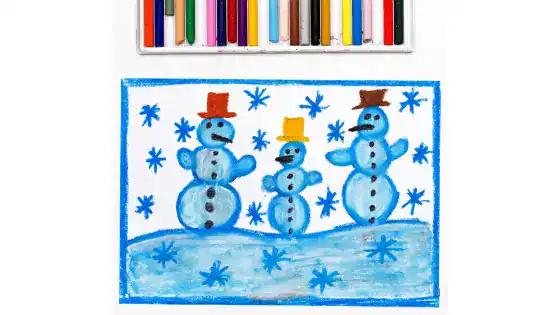
Then, help your children write short labels or full sentences next to each part, such as “The evergreen trees are green” or “The snow drift is high”. This joins speaking, reading, and writing in one relaxed activity.
3. Act it out: Winter drama game
Turn the sentences into a mini performance. You can read a sentence and your children act it out, or swap roles so they read and you act.
Ideas:
- Pretend to walk on a slippery frozen lake.
- Hold your nose when “the cold air hurts my nose”.
- Stand tall for “The mountains are very tall”.
- Curl up and shiver for “It is freezing outside”.
This kind of play is especially helpful for active children who find sitting still and reading quite hard.
4. Winter word hunt at home or outside
Choose a few sentences and look for real-life examples together.
Indoors you might:
- Put ice in a bowl and say “The ice is hard”.
- Stand at a window and talk about clouds or fog you can see.
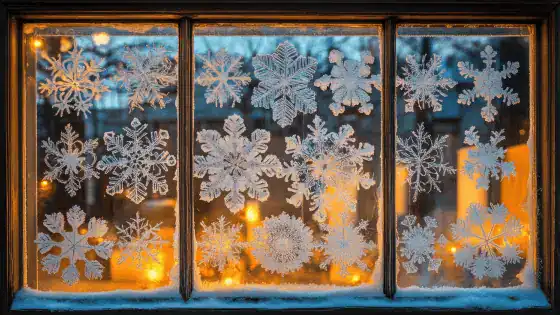
- Draw paper snowflakes and say “The snowflake is small” each time you hang one up.
Outdoors, if you have winter weather, you can look for frost on leaves, snow on trees, or tall snow drifts. Your children can repeat the matching sentence when they spot something.
5. Build your own winter sentences
Write winter words on small cards, such as:
- winter, snow, snowfall, ice, fog, frost, wind
- tree, mountain, river, lake, ground
- cold, tall, white, slippery, strong
Then use other cards for simple sentence parts like “The”, “is”, “are”, “I see”, “It is”.
Ask your children to:
- Build new sentences, for example, “The mountains are white” or “It is cold today”.
- Copy their favourite new sentences into a notebook.
- Read them aloud to another family member.
This simple game helps children move from reading fixed sentences to creating their own, which is a big step in language learning.
6. Use winter printables for extra support
If you would like ready-made worksheets and games to match this theme, you can explore these Winter reading practice printables for children. You will find:
- Vocabulary flashcards for key winter words.
- Sentence-building pages that match the style of the video.
- Fun puzzles and colouring sheets that keep winter words fresh.
You can pair one printable with the video each day to create a simple winter lesson routine at home.
7. Add a winter story for more language
Once your children feel more confident with sentences, you can add an easy story to your winter theme. A lovely option is this ESL winter story with simple sentences, which retells “The Ant and the Grasshopper” using clear language and pictures about summer, autumn, and winter.
You can:
- Watch the story on one day and do the winter sentences on another.
- Talk about what happens when winter comes in the story and compare it with sentences like “The cold air hurts my nose”.
- Point out repeated words like winter, snow, and cold so your children see them in both the story and the sentence practice.

By now, you can see how much you can do with one simple winter video. You can watch it together, read the sentences here, and turn them into drawings, games, and little books. Your children hear clear models, repeat them, and slowly take more of the reading on themselves, which is exactly what you want from winter reading practice for kids.
Remember the kind words at the end of the video: “Wow, you did a great job… Fantastic effort, everybody.” You can say the same to your children after every short session. A little praise goes a long way in building confidence.
To keep the learning going, you might:
- Watch the video again once or twice a week.
- Choose one follow-up activity from this post each time.
- Download a few resources from the Free Resource Library to support your home practice.
Most of all, keep winter English fun, playful, and part of your normal family time. With small, steady steps, your children will grow into happy, confident readers.


Related Posts
- Winter Poem for Kids: The North Wind Doth Blow
- Winter Weather Vocabulary for Kids: Fun ESL Learning at Home
- 20 Winter Printables for ESL Learners (including a FREE Download)
- Sleigh Bells: A Christmas Poem for Kids to Enjoy
Hi, I’m Catherine
I help children learn English at home through stories and play with affordable and accessible resources. With over 10 years of experience educating children and over 5000 online ESL classes, I’ve learnt what methods work to keep children engaged and motivated to learn.
I look forward to helping your children develop their English skills!


