

Are you trying to improve your child’s English writing skills? You’re not alone! Many families with children learning English as a second language often experience the same challenges. Learning to write well in English can seem like a daunting task. But, just like learning new vocabulary and how to read, English writing is a core skill that is vital for succeeding academically and improving future career prospects.
Instead of seeing writing as an uphill struggle, help adjust your children’s opinion of writing by focusing on fun and practical activities. From storytelling to simple daily activities, you can make learning more engaging for your children leading to consistent practice that helps build confidence and skill.
The post will explore easy yet impactful strategies to boost your children’s writing abilities. You’ll discover how to improve your child’s English writing skills with daily routines, ensuring that learning becomes a natural part of their everyday life.
Key takeaway: Explore strategies that make learning fun and relatable, like storytelling and interactive exercises, helping your children excel in writing and enjoying the process.
Table of Contents
- Understanding the Foundations of Writing
- Encouraging Regular Writing Practice
- Using Technology to Enhance Writing Skills
- Encouraging Feedback and Revision
- Celebrating Writing Achievements

Explore the FREE Resource Library
Fun, educational activities for children aged 3–8 completely free!
Discover a growing collection of printable games, vocabulary activities, crafts, and themed resources designed to help children build language and literacy skills through stories, play, and creativity.
Spend less time searching for activities and more time learning, playing, and creating together.
Understanding the Foundations of Writing
Helping your children understand the key elements of writing is vital for them to be able to develop strong writing skills. Grammar, vocabulary, punctuation, and spelling are important foundations for writing successfully. Incorporating these essential skills benefits your children’s writing ability from the beginning and supports their progress.
Grammar and Sentence Structure
Grammar might seem like a scary word, especially English grammar, which is renowned for being complicated! But it’s an important framework of the English language. Knowing and understanding grammar rules can help your children to begin building accurate English sentences and eventually lead to more complex and detailed answers at a later date. Here’s how to get started:
- Use simple sentences: Begin with short, simple sentences. Encourage your child to write about their day or describe their favourite toy. Start with a simple framework such as who, what, and where. For example, the boy was eating an apple in the kitchen, or the dog was digging up a bone in the garden.
- Play games: Help encourage your children to learn grammar by turning activities into a game. Consider creating a read-a-roll sheet, where each number on a dice is given specific words or pictures. Children roll a dice and then must build a sentence relating to the picture or word from their given number. They could also play grammar-specific online digital games that incorporate an element of fun and gentle competition. Try sites such as Twinkl and Rollama.
- Repeat and practice: As with learning any skill, understanding grammar rules just takes time and lots of practice. Make practising grammar fun by providing relatable tasks for your children to complete e.g. writing a diary about their day, creating a monster description for Halloween, or creating their own fruit salad recipe. Tasks such as these help to bring learning grammar together with other writing elements whilst also enabling your children to explore their creativity.
Vocabulary Development
Enhancing vocabulary is vital for learning a new language, let alone improving your children’s English writing skills. The more words your children know, the richer their writing becomes. Here are some tips to expand their vocabulary:
- Read together: Reading is one of the most effective ways to learn new words. Through stories, your children can revisit familiar vocabulary whilst being introduced to new words with child-friendly materials. A top tip when reading together is to choose books that interest your children and discuss any new words you come across together.
- Word of the day: Introduce a “word of the day” as part of your daily routine and use it in sentences throughout the day to help it stick.
- Use interactive apps: Many apps and websites make learning new words fun through games and challenges. They can be great for reviewing vocabulary and introducing new and exciting words to add to your children’s vocabulary.
Punctuation and Spelling
Punctuation and spelling are other core components for your children’s writing successful in English. Punctuation helps us to organise our ideas and tells the reader important details such as when someone is speaking, where to pause if someone is asking a question, and so on.
Spellings ensure that the correct word is being used within the sentence. In English, there are many words that sound the same but have different spellings for different meanings. For example, hair and hare both sound the same, but hair relates to the fine strands that grow on mammals’ bodies, whereas a hare is an animal similar to a rabbit but larger.
Without accurate punctuation and spelling, a sentence can be misinterpreted and have a different meaning from what was intended. Here’s how to tackle these vital skills:
- Practice with stories: Reading stories aloud can help children understand pauses and stops dictated by punctuation. You can also use stories to show accurate use of different punctuation and play spotting games with who can spot a question mark, quotation marks, apostrophes, etc.
- Create spelling lists: Weekly spelling lists can sound like a chore, but there are ways to make spelling more exciting and easier. Create lists with themes such as following the same spelling rules or sounds e.g. ai words together, igh words, ending y words, and so on. Colour code the spellings too into phonetic sounds to help teach children how to break down tricky words e.g. brick or glass.
- Interactive learning: Use online games that turn punctuation and spelling into playtime, making learning less of a chore.
Encouraging your child to practise these basics regularly will set the stage for improved writing. With time and patience, their confidence will grow, and so will their skills.
Encouraging Regular Writing Practice
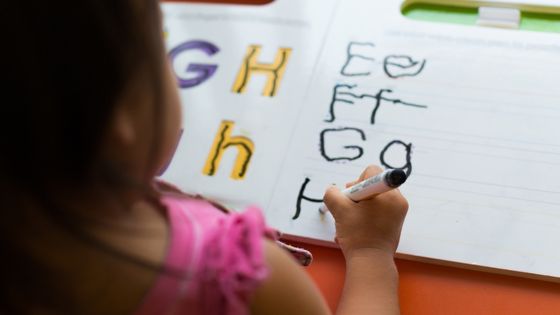
Regular writing practice is guaranteed to improve your child’s English writing skills. As with learning any new skill, consistent practice leads to growth and progress. But, to our children, writing can seem like a chore and difficult to complete. Here are some practical ways to integrate writing into your children’s routine, whilst making it meaningful to them and less of a chore.
Setting a Writing Routine
Creating a writing routine provides structure and predictability, making writing a natural part of your children’s day. A regular routine helps your children understand what is expected of them, so they can focus on the task at hand rather than not knowing what they should be doing. Here are some tips to help establish a routine:
- Consistency is Key: Decide if daily or weekly writing fits best into your schedule. A little bit every day can work wonders, but to some children, it may be too intense or challenging. Particularly for children who find writing difficult or frustrating, a weekly routine may be best. It’s important to set a schedule that works for your family and your children’s needs.
- Choose the Right Time: Pick a time when your children are most focused and relaxed. This might be first thing in the morning when their minds are fresh and they haven’t had to complete any other tasks. Or perhaps your children are most alert and creative in the evening before bedtime.
- Create a Comfortable Space: Designate a specific spot for writing where your children feel comfortable and inspired. This could be a cosy corner with a desk or even a blanket in the yard.
- Involve Them in Planning: Let your children be part of creating their schedule. This can make them feel more invested and help them feel more in control of their time and responsibilities.
Engaging Writing Prompts
Sometimes, all a child needs is a spark of inspiration to ignite their imagination. Writing prompts can provide a starting point to help your children come up with ideas when their minds go blank. Here’s a list of creative prompts to get your child’s pen moving:
- If you could have any pet, real or imaginary, what would it be and why?
- Imagine you woke up with magical powers. What would you do with them?
- Write a letter to your future self. What advice would you give?
- Describe your perfect day. What would you do, eat, and see?
These prompts can give your children a boost and take the pressure off of creating an idea from a blank piece of paper.
Related Post: Fable Creative Writing Exercises for Fun and Effective ESL Learning at Home
Explore the FREE Resource Library
Fun, educational activities for children aged 3–8 completely free!
Discover a growing collection of printable games, vocabulary activities, crafts, and themed resources designed to help children build language and literacy skills through stories, play, and creativity.
Spend less time searching for activities and more time learning, playing, and creating together.
Writing Journals
Keeping a journal is a gentler approach to regular writing practice. A journal is a very personal and relaxed style of writing that can involve quotes, drawings, and reflective writing. This can make them more appealing to children vs. being given set writing tasks to complete. Here are some tips on encouraging your children to keep a journal as part of their writing routine:
- Explain the Benefits: Journals are great for improving writing and can also improve mental well-being by allowing kids to express themselves freely.
- Select a Special Journal: Let your child pick out a fun or personal journal. It might be a glittery notebook or a plain pad waiting for its cover art.
- Set Simple Goals: Encourage your child to write a few sentences a day. Over time, these will build up into a rich example of their improved writing skills and can be used as a source to reflect on their progress over time.
- Share and Celebrate: If they’re willing, read their entries together. Always celebrate efforts and creativity, not just perfection.
- Journal Together: Consider making it a family event by setting aside time to journal together. It could be part of your daily routine where everyone spends time adding to their journals and verbally sharing their entries before bed.
By embedding writing into everyday life, you’ll not only enhance their skills but also nurture a love for the language. Encourage your children to see writing as an adventure and way of expressing themselves, to help them see the fun side of English writing.

Using Technology to Enhance Writing Skills
When used appropriately and matched to your children’s age/English level, technology can be a powerful tool to boost your child’s English writing skills. Through various apps, online communities, and resources, learning becomes more accessible and fun. Children enjoy the writing process and learning core foundations through exciting games and digital activities, helping to motivate them to participate even further.
Educational Tools
There are countless educational apps, websites, and tools available from free to paid that you can use with your children. Not only do they improve participation and engagement with writing, but they also support developing digital literacy skills. I’ve previously shared some excellent websites and apps via these posts that you can take a look at.
In addition, here are some examples of tools you could use with your children to aid their writing skills:
- Grammarly: This app is like a personal grammar coach, providing suggestions to improve sentence structure and word choice. With a free version, it is affordable and simple to use. It also has a web browser extension to help check your children’s writing as they type online.
- Hemingway Editor: Helps your child write clearly by highlighting complex sentences and offering simpler alternatives. Like Grammarly, it has a free online version which is most likely all your children need. However, there is an additional paid version should you feel it necessary with additional features including being able to utilise AI suggestions.
- Storybird: Encourages creativity by allowing kids to create their own stories with beautiful illustrations. A lovely ad-free site with a free plan to get started, offering a range of illustrations for children to use as inspiration to write and publish their own stories.
- ProWritingAid: Offers in-depth writing analysis, helping your children understand their strengths and areas for improvement. Though this site isn’t very child-friendly, it could be a good option for older children learning English who want to use more grown-up tools.
- Quill: An interactive non-profit organisation focused on grammar and writing skills through engaging activities. Quill offers a range of support from proofreading to AI-powered questions to practice grammar. The great aspect of Quill compared to other tools is that it provides feedback reports based on what your children have completed so you can gain a good understanding of how your children’s writing skills are improving.
Online Writing Communities
Online writing communities can provide a space for your children to express themselves, learn from peers, and gain confidence in their writing. Communities can be like an online club for children, helping to encourage them with their writing skills and gaining lots of top tips and feedback from like-minded children around the world. Here are a few online communities accessible to your children to aid their English writing skills:
- Wattpad: An expansive storytelling community where writers of all ages publish and read others’ works. Encourages feedback and collaboration.
- Young Writers Society: Tailored specifically for children aged 13+, this site offers a safe space for sharing and improving writing skills.
- Teen Ink: This platform welcomes young writers to share their stories, articles, and poems. It provides a broad audience and offers constructive comments, helping young learners to nurture their confidence and creativity.
- One Story: While primarily focused on adult fiction, older children can gain insight by reading short stories and understanding different writing styles. Although direct participation might be limited, it’s a useful resource for improving reading comprehension and writing techniques.
- NaNoWriMo: Known for its annual novel-writing challenge, this platform also offers a Young Writers Program. It motivates children to set word count goals, develop writing discipline, and finish their stories with support from a global community. It’s a great way for children to explore their storytelling abilities in a structured yet exciting environment.
These communities are excellent tools to enhance your children’s writing ability whilst allowing them to engage with others who share similar interests.
As with everything online, ensure that before you allow your children access to an online community that you check the platform first and monitor their activity to ensure they are safe and using the platform appropriately.

Encouraging Feedback and Revision
Improving your child’s English writing skills is not just about getting words on paper. It’s also about recognising your children’s efforts, providing feedback and supporting them to make revisions of their work for improvement.
Providing Constructive Feedback
When offering feedback to your children, it’s vital to strike a balance between being supportive and offering useful insights. You want to ensure that your criticism helps them learn without dampening their enthusiasm. Here are a few tips:
- Start Positive: Begin with what they did well. Did they use great vocabulary or structure their sentences neatly? Highlight these strengths first.
- Be Specific: Instead of saying “This needs work,” point out exactly what could be improved. For instance, “Your story is interesting, but can you include more descriptions?”
- Use Questions: Pose questions to guide them. “What do you think your character would do next?” This sparks creativity and gives them a sense of control.
- Focus on Effort, Not Perfection: Remind them that writing is a process and that every draft is a step forward.
- Use the Sandwich Effect: Begin by sharing some positive feedback, then lead to a suggestion or critique, followed by another positive. This helps your children focus on all the good things you have to say about their writing and balances out any criticisms shared.
By providing constructive criticism, you’re helping your children view feedback as a tool for growth rather than a setback.
The Revision Process
Once you’ve given your children feedback, it’s time to teach them how to revise their work. Revising allows them to transform their initial ideas into polished writing. Here’s a roadmap for effective revision:
- Read Aloud: Encourage your children to read their work out loud. It helps them catch mistakes or awkward phrasing.
- Break It Down: Look at the writing in sections. Focus on one paragraph or even a single sentence at a time so it isn’t too overwhelming.
- Use a Checklist: Create a simple revision checklist.
- Did I check my spelling?
- Have I used varied sentence lengths?
- Are my ideas clear?
- Seek Peer Feedback: If possible, have them exchange stories with a friend. Fresh eyes can offer new perspectives.
- Redraft: Remind them that it’s okay to rewrite parts. Revision is about refining ideas, not getting them perfect the first time.
By following these steps, your children will learn that writing isn’t just about expressing ideas. It’s about crafting them into something even better.
As they become more comfortable with feedback and revision, they’ll grow more confident in their writing skills. Plus, they’ll be more prepared for all the writing ahead of them in their school life and beyond.
Taking the time to guide your children through this process encourages a positive attitude towards writing. When they understand that even the best writers revise and edit, they’ll realise that perfection isn’t the goal—progress is.

Celebrating Writing Achievements
When your children make progress in their English writing skills, celebrating these little victories can work wonders for their confidence.
Recognising their achievements turns learning into a joyful journey rather than a daunting task. Encouragement fuels motivation, making children eager to keep improving. But how can you celebrate in a way that’s meaningful and enjoyable? Here are a couple of ideas to get you started.
Sharing Work with Family and Friends
Why not turn your child’s writing into a small event by sharing their work with family and friends? This is one of the best ways to improve your child’s English writing skills, as it boosts their self-esteem and makes their efforts feel valued.
- Pick a day: Choose a regular day each month for your child to share their latest piece. This can be a letter, a short story, or even a poem they wrote in class.
- Create a welcoming space: Set the scene by creating a cosy setting in your living room. Maybe serve some snacks or tea to make the occasion feel special.
- Invite loved ones: Use video calls to include distant relatives, so everyone can be part of the celebration. Hearing positive feedback from close family and friends can boost your child’s confidence and encourage them to write more.
Creating a Writing Showcase
An organised writing showcase can be a fantastic way to display and celebrate your children’s hard work. Similar to sharing a piece of your children’s artwork at an open gallery, you can host the same thing but focus on their writing instead.
- Set a date: Plan a showcase every quarter to motivate your child to produce a variety of work. This can be an exciting event they look forward to.
- Design a theme: Make the showcase interesting by having a theme. For instance, a fantasy or a nature theme can make writing feel more fun and creative.
- Invite interaction: Encourage family members and friends to leave positive notes or ask questions about each piece. This interaction not only makes the event lively but also helps your children think critically about their work and learn to express their thoughts clearly.
Incorporating these ideas will make your child feel proud and excited about their English writing journey. Celebrating their work isn’t just about receiving applause; it’s about nurturing a love for creativity and expression that will benefit your children’s English writing and language skills in the future.
Improving your child’s English writing skills is a journey you both embark on together. Celebrating small victories will keep you motivated. Focus on creating a fun, engaging environment.
Regular practice, supportive feedback, and blending writing into daily life are crucial steps.
- Read stories together and encourage creative storytelling.
- Use fun writing prompts during playtime.
- Celebrate their achievements, no matter how small.
Your patience sets the tone for a positive learning experience. Be there to support your children and you’ll see progress.
Explore the FREE Resource Library
Fun, educational activities for children aged 3–8 completely free!
Discover a growing collection of printable games, vocabulary activities, crafts, and themed resources designed to help children build language and literacy skills through stories, play, and creativity.
Spend less time searching for activities and more time learning, playing, and creating together.
Related Posts
- How to Teach English Writing to Beginners
- Fable Creative Writing Exercises for Fun and Effective ESL Learning at Home
- How to Improve Your Children’s English Listening Skills
- What Age Should a Child Read Fluently?
- Folktale Writing Prompts for ESL Learners: Fun Ways to Boost Language Skills and Creativity

