
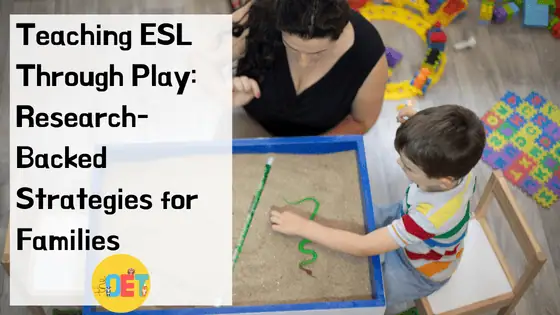
If you are a family learning ESL, turning language practice into play isn’t just for fun, it actually works to help your children develop stronger skills. Studies have shown that playful activities help children pick up new words, retain them, and build confidence as they speak.
This approach doesn’t require fancy tools or formal lessons. Instead, daily games and playful routines invite everyone to join in and use English together, regardless of age or ability. When kids are relaxed and having fun, they learn better and enjoy the process.
In this post, you’ll see how teaching ESL through play fits into family life. You’ll get ideas that are easy to use and grounded in solid research. When learning feels natural, your children’s new language can grow at home with one game at a time.
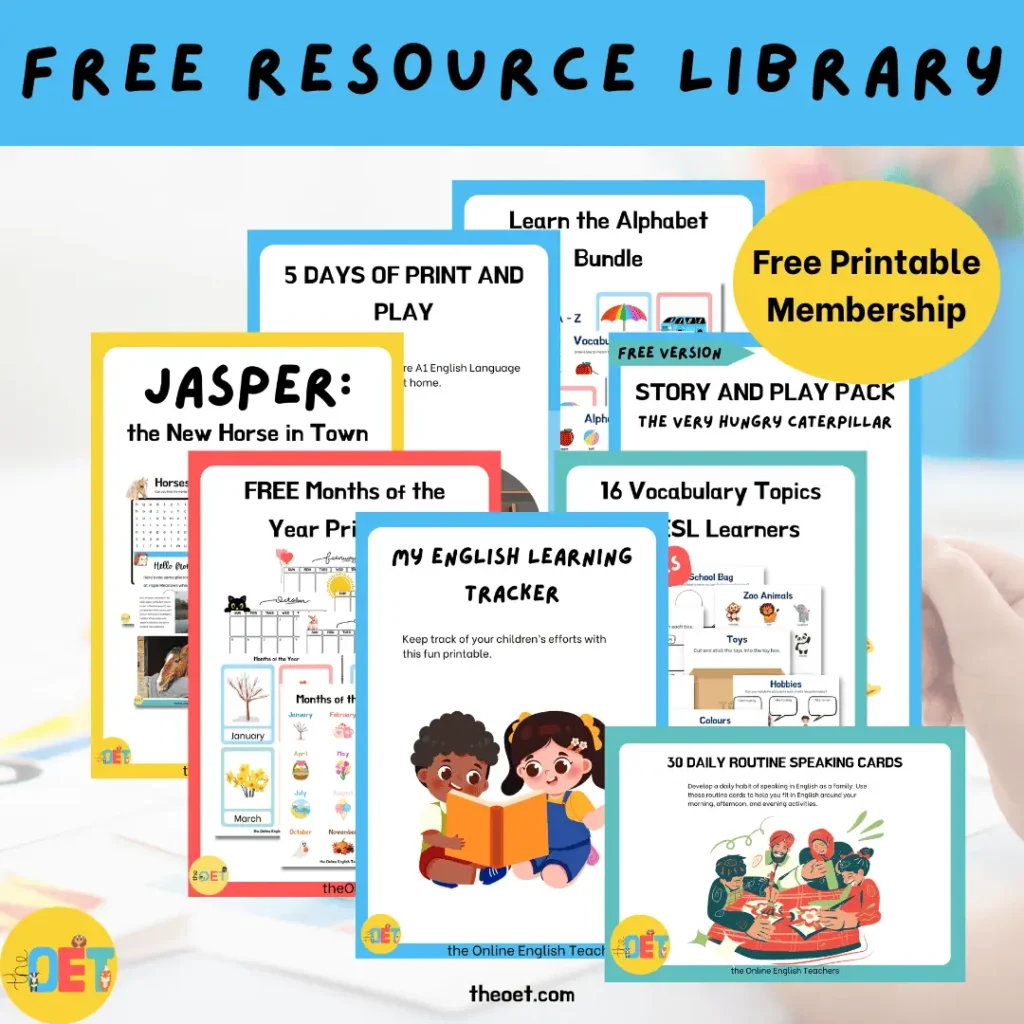
Join the FREE Resource Library
Looking for FREE quality printables, templates, and guides to help you teach your kids ESL at home?
Join theOET’s FREE Membership and gain access to 10s of resources designed by a qualified teacher to help your family learn English at home.
New resources are added every month. Save time, money, and stress with pre-made educational printables and guides.
What Does the Research Say About Teaching ESL Through Play?
When you use playful activities for learning, you’re following a path that has been proven by research. Experts have spent years studying how games, songs, and playful routines boost language skills. Home experiences match what researchers find in classrooms, that children pick up more English when they feel safe, happy, and included.
Here is a summary of what studies have shown about teaching ESL through play and what that means for your family.
Key Findings on Language Acquisition and Play
Multiple studies show that children learn languages best when they enjoy the process. Researchers from the University of Cambridge found that playful storytelling, singing, and role-playing all help children use and remember new words. When you introduce games like “Simon Says” or charades, you’re giving your children a chance to hear, say, and act out English words in real time.
Children who learn through play often:
- Expand their vocabulary faster, especially with common nouns and action words.
- Understand English grammar patterns by hearing them in simple, repeated phrases during games.
- Feel more comfortable speaking because play lowers anxiety.
Other studies published in Early Childhood Research Quarterly show that when preschoolers engage in play-based language activities alongside reading, they develop deeper vocabulary knowledge and stronger language comprehension.
Overall, studies have collectively found that children’s imaginative play predicts later language and storytelling ability, suggesting that acting, role-play and storytelling support confident language use.
Benefits Beyond Language: Cognitive, Social, and Emotional Growth
When you play together in English, your children aren’t just learning language. Research points to many extra benefits that come with teaching ESL through play.
Studies from Harvard’s Center on the Developing Child highlight these gains:
- Cognitive growth: Games with rules and pretend-play boost memory and problem-solving. Kids learn to pay attention, switch tasks, and think quickly.
- Social skills: Playful learning puts your child in social situations where listening and turn-taking matter. Collaborative games give them words for sharing, asking, and helping.
- Emotional development: Children get braver when they play in English. They feel proud when they solve a riddle or win a round of “I Spy.” This confidence carries over into class and friendships.
One review from the International Journal of Bilingual Education and Bilingualism found that children who joined playful group activities were more likely to talk with classmates. They made friends faster and joined in more classroom events. Parents also noticed their children became more outgoing, both at home and outside.
These results aren’t limited to formal classrooms. Even at home, you’ll see your children’s sense of belonging and joy grow as you make English part of your play time. Teaching ESL through play is about building a warm, inviting space where everyone can try, make mistakes, and succeed together.
Popular Types of Play-Based ESL Activities
Teaching ESL through play opens up so many chances for hands-on learning. You’ll find that the most powerful activities are the simple ones you can do at home. Research shows that when you use everyday games and routines, you help your children grow their language skills faster, while also enjoying the process. Here are some of the most popular play-based ESL activities, backed by studies and loved by families.
Role-Playing and Storytelling
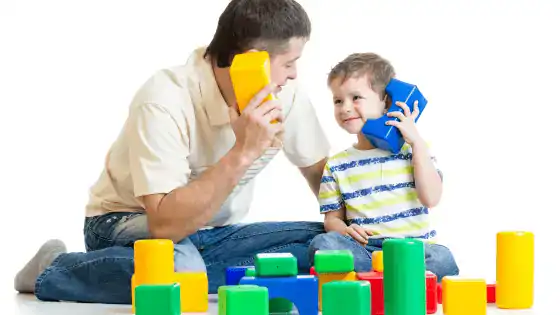
Pretend play and stories let your children become someone else for a little while perhaps an astronaut, a shopkeeper, or a character from their favourite book. Through role-play, your children get to practice asking and answering questions, greetings, and common daily phrases. They exercise their imagination while using new English words in real conversations.
Researchers at the University of Cambridge found that storytelling and role-play help children process new language by giving real meaning and purpose to their words. When your children pretend to run a shop or market stall and asks, “Would you like apples or oranges?” they recall and use the right words in context. It’s not just a fun activity for them, but also language practice in action.
Try these ideas at home:
- Act out simple stories with finger puppets or stuffed animals.
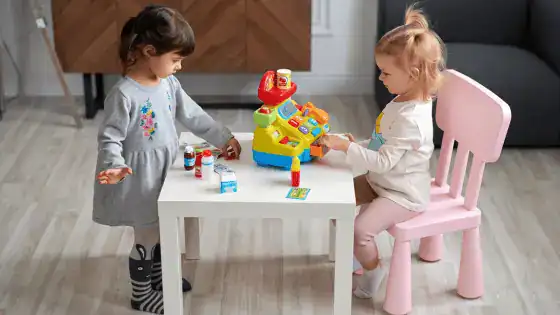
- Take turns playing shop with pretend money.
- Use dress-up clothes to create new characters and stories.
Studies from the Journal of Early Childhood Literacy show that children who make up stories in English develop stronger vocabulary and speaking skills. It helps boost their memory, too. When they repeat phrases and improvise as the story changes, they become more flexible and confident with the language.
Songs, Chants, and Music Games
Music naturally pulls children in and helps words stay in their minds. The rhythm and repetition in songs help kids remember phrases, practice sounds, and get the timing right. Researchers agree that singing and chanting build language quickly, which we see ourselves when we sing nursery rhymes to our children.
A study in Applied Linguistics found that children who sang English songs learned pronunciation and intonation better than those who just listened to spoken words. Clap-along songs, rhyming chants, and music games teach listening and clear speech in a way that feels easy, not forced.
Try these musical ideas at home:
- Play simple songs like “Head, Shoulders, Knees, and Toes” and sing along together.
- Try hand-clapping games with rhymes.
- Make up silly chants to match daily routines, like getting dressed or snack time.
Music games also help children break words into syllables and understand rhythm, which is key for clear speech. When your children sing “If You’re Happy and You Know It,” they’re not just having fun, they’re training their ears and mouths for English. Families often notice that shy children become more willing to join in during a favourite song.

Games and Movement-Based Learning
Physical play keeps children engaged for longer. Games that use both mind and body, like “Simon Says” or scavenger hunts. These activities give children a reason to listen, move, and talk in English.
A review in Early Childhood Education Journal points out that movement tricks the brain into remembering what it hears. When your children jump, clap, or run to find an object after you call its name, they connect new English words to real-life actions.
Some favourite movement-based games include:
- “Simon Says” for following instructions and practicing body parts.
- Treasure hunts where you give clues in English (“Find something blue!”).
- Charades to act out action verbs or story characters.
Research in developmental science, including work linked to Johns Hopkins, shows that interactive experiences combining attention, action and sound support children’s language development. When children move while learning words, they connect language to real experiences, which helps them remember and use it.
No matter which activities you choose, you’ll see how teaching ESL through play brings language learning into daily family routines. Every playful moment is another step in helping your children develop English skills.
How to Effectively Incorporate Play into Everyday ESL Learning at Home
Teaching ESL through play doesn’t need big changes to your home or busy schedules. It’s about shifting how you look at daily life and spotting chances to use English naturally. By turning ordinary play and routines into language learning, you help your children build skills in a low-stress way that leads to increased retention. Here’s how you can shape your home into a strong support for playful English learning, based on what research says works for families.
Creating a Language-Rich Play Environment
The best place to start is with your space. Children pick up language during play when there are rich opportunities to listen, talk, and explore. You don’t need special equipment or expensive toys. What’s important is the invitation to use English in daily fun.
Try these practical ways to build a language-rich play space at home:
- Set up themed play areas: Create small zones like a mini “grocery store,” “kitchen,” or “doctor’s office” with everyday objects. Label items in English, like “apple,” “hat,” or “spoon.”
- Rotate toys and prompts: Bring out puzzles, building blocks, or storybooks, and change them up to spark new conversations. Place English board games or word cards where your child can grab them.
- Encourage talking during play: Keep English words flowing by commenting, describing, or asking simple questions. For example, while building a tower, say “Let’s make it tall!” or “What colour is this block?”
- Bring play outdoors: Name plants, describe actions at the park, or set up a scavenger hunt with lists in English.
Children learn fastest when they use new words in real, fun situations that offer real meaning and context. If you fill your space with chances to use English, e.g. signs, labels, or even silly messages on the fridge, you prompt their curiosity and keep language learning fresh. Research shows that these simple touches can double the amount of language your children try out each day, even during free play.
It certainly worked for my own two children and developing their early literacy skills. By using magnetic letters on the fridge for them to create messages, or asking them to add items to the shopping list with a whiteboard pen. These simple, fun tasks helped practice their spellings and vocabulary range without them realising it.
Balancing Structured and Unstructured Play
You don’t have to plan every minute. In fact, studies show the strongest language growth comes from a mix of guided and free play. Structured play uses rules or directions you give, like a board game or a song with set words. Unstructured play is child-led and flexible, think of open pretend play with dolls or drawing pictures together.
Mixing both kinds gives your children the best of both worlds:
- Structured play helps introduce new words and grammar. It gives your child models to copy and a safe frame to practice speaking. For example, playing “Go Fish” with action cards or “Simon Says” with body parts gets everyone using set phrases and listening carefully.
- Unstructured play lets children experiment with words and try out ideas. When your children invent a story or makes up a new use for a toy, they build confidence and skill with English in their own way.
Including a few routines, like a daily story time or a favourite game, can aid your children’s language skills while also leaving room for free play. At home, this might look like:
- Playing a singing game together, then letting your children change the words.
- Setting up a craft table with English instructions, then stepping back.
- Offering dress-up costumes and props and letting your children direct the play.
When you balance guided and free play, you help your children feel both supported and independent. This matches what studies say: children remember language better and use it more flexibly when they move between different kinds of play.
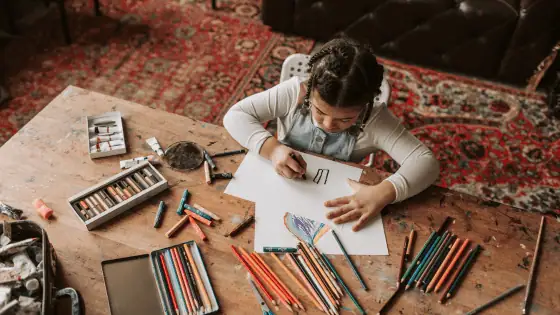
I can personally back up the research with my own daughter who struggles with communication. We often complete crafts together, or I set her up with an idea and she will do the rest. Often after she has finished, she will then come and show me what she has done, describe the craft, and talk about how she made it. I have also caught her teaching friends how to create something she really enjoyed too! So utilising play and crafts really can work to expand language skills.
These simple choices make teaching ESL through play part of everyday home life. You’ll soon see for yourself how small changes can bring more English into each day, and lots more smiles, too.
Overcoming Common Challenges When Teaching ESL Through Play
Teaching ESL through play brings real benefits, but families often face bumps along the way. Maybe you have kids of different ages, not enough English between you, or only a few toys to work with. These hurdles are common, but there are ways through them. With the right ideas, you can bring playful language learning into your home, even when things get tricky. Here’s how to handle some of the most common challenges, with real-world solutions that honour your family’s needs.
Finding Age-Appropriate and Culturally Relevant Play Activities
When your children are different ages or backgrounds, one game rarely fits all. A toddler and a pre-teen won’t get the same enjoyment or progress from the same activities. The good news? You can adjust and mix activities so everyone feels included.
Here’s how you can pick or adapt play-based ESL activities for all ages and cultures:
- Choose open-ended games. Pick games that let kids play at their own level. For example, building blocks work for little kids (colours, shapes) and older ones (building, storytelling).
- Honour everyone’s culture. Invite children to act out stories, traditional dances, or holiday games from your home country in English.
- Add a home-made twist. Use items around the house e.g. scarves, pots, toy cars, to create new games. Let older kids make the rules or help explain to younger siblings in English.
- Respect attention spans. Short games work best for young kids (like a fast round of “I Spy”). Older kids enjoy longer, more complex activities (board games, Charades).
- Encourage kids to take turns leading. Today one child picks or explains the game, tomorrow another. This gives different ages a role, builds confidence, and keeps everyone engaged with teaching ESL through play.
By incorporating family traditions and culture in learning English, it helps children build a stronger identity, embracing their background and heritage, all while learning English.
Motivating Reluctant Learners Through Play
Not every child jumps in right away. Some feel shy, tired, or worried about making mistakes in English. Motivation matters and studies have found that learners willingly participate with language play when activities feel fun, safe, and rewarding.
To help hesitant learners join in, try these research-backed tricks:
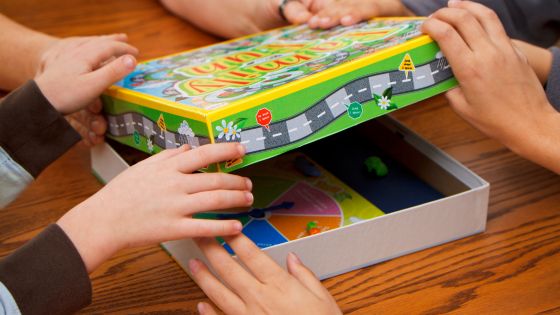
- Set up games where everyone wins. Cooperative games reduce pressure and make trying new words less scary. Try family scavenger hunts or partner games, where you solve puzzles as a team.
- Use favourite themes. If your children love animals, base games around pets. If they enjoy cartoons, let them act out scenes from a favourite show. Personal interests can increase engagement.
- Keep a routine. Small, regular playtimes lower stress and set clear expectations. A “song-and-dance break” after dinner or a storytelling session before bed helps children know what to expect.
- Celebrate effort, not just right answers. Cheer on every try, sound, or silly sentence. Kids need to feel safe making mistakes, especially as they start using English in playful ways.
- Let shy children observe first. Sometimes, watching is the first step to joining in. Over time, even hesitant kids pick up words and are more likely to join when they’re ready.
Motivation grows when children feel like their choices matter and that mistakes are okay. If you model patience and join in the fun, kids usually follow your lead. You don’t need fancy materials or perfect English skills, just a little bit of curiosity and kindness.
Teaching ESL through play is about meeting each child where they are, with activities that fit your family’s mix of ages, skills, and stories. With small changes and a playful spirit, every challenge becomes a new chance to learn together.

Teaching ESL through play gives your family a clear path to better language skills and joyful learning. Research shows that playful routines don’t just build vocabulary, they also help your children gain confidence and connect with others. By experimenting with games, stories, and songs, you shape a natural and welcoming space for English to grow at home.
Try out new activities, adapt them to fit your family, and notice how language becomes part of daily fun. Your small steps and playful moments add up, helping your children feel at home in English, one game at a time. Thank you for reading, now share your favourite play-based ideas or let us know what worked for your family. Your story could inspire someone else getting started with teaching ESL through play.
Related Posts
- Role Play Ideas for Teaching English at Home (Fun, Simple & Family-Friendly)
- How to Use Bedtime Stories to Teach English at Home
- How to Teach English Through Stories For Families At Home
- 10 The Lion and the Mouse Activities Your Family Can Enjoy
- 20 Fun and Educational Word Games for Kids Learning English
Hi, I’m Catherine
I help children learn English at home through stories and play with affordable and accessible resources. With over 10 years of experience educating children and over 5000 online ESL classes, I’ve learnt what methods work to keep children engaged and motivated to learn.
I look forward to helping your children develop their English skills!


