
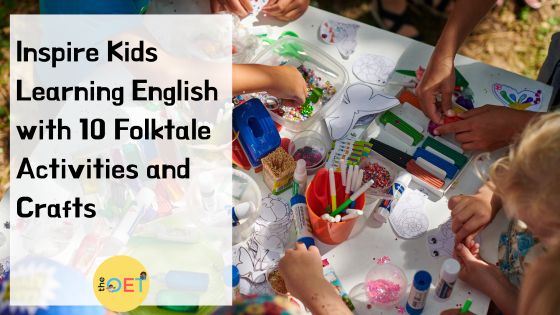
Stories are an amazing way to help children learn and progress their English language skills. They introduce new vocabulary, build early comprehension skills, and help children explore their imagination and creativity.
Folktales are just one type of story that offers these skills alongside teaching valuable moral lessons and introducing children to different cultures. Reading folktales is just one way children can engage with these meaningful stories. But children don’t always learn best from listening to stories or reading them themselves. It’s important to also incorporate hands-on and sensory experiences.
Folktale activities and crafts can help interlink important language-learning skills through fun, stimulating, and meaningful activities. Whether you’re crafting characters or acting out scenes, these activities turn language learning into an adventure the whole family can enjoy.
In this post, I summarise what folktales are, highlight some folktales, and share a range of folktale activities and crafts you can do with your children at home.
Table of Contents
- What are Folktales?
- Benefits of Folktale Activities for ESL Learners
- 10 Folktale Activities and Crafts
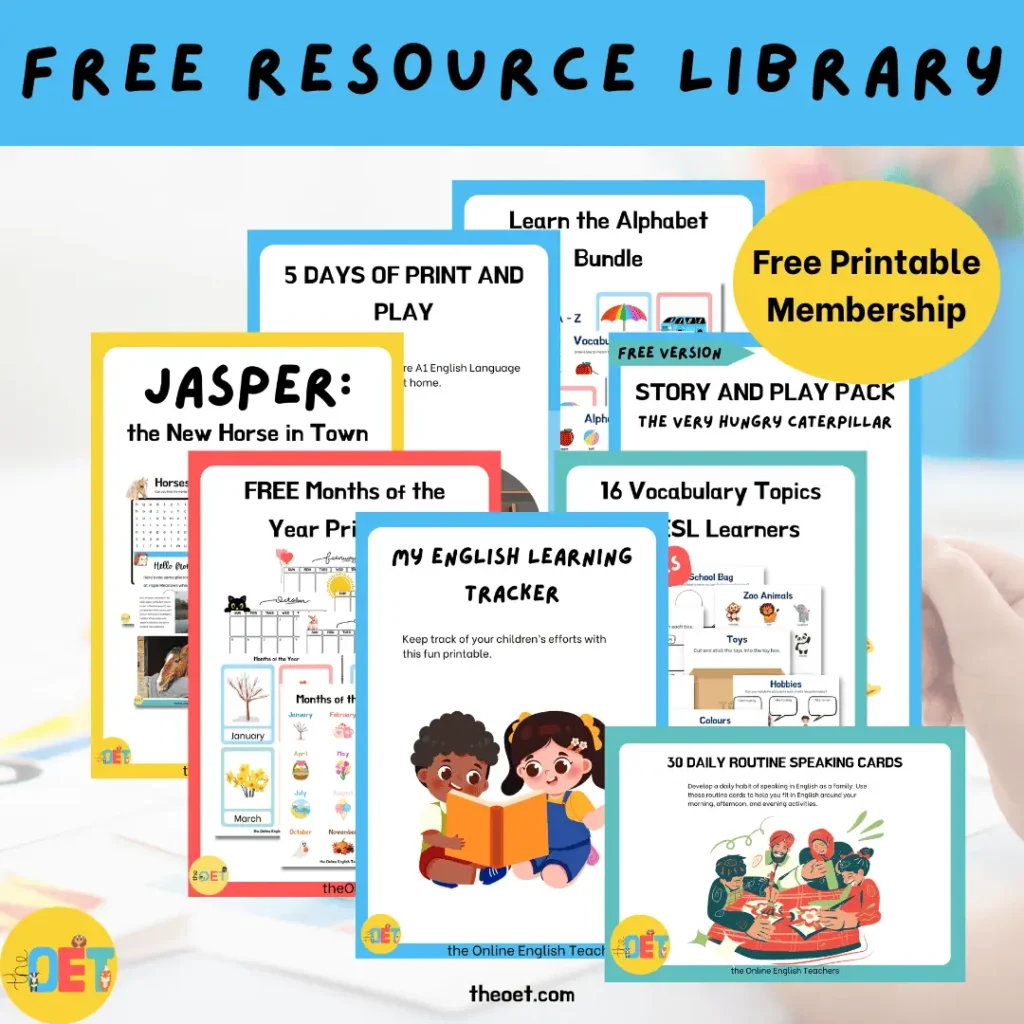
Join the FREE Resource Library
Looking for FREE quality printables, templates, and guides to help you teach your kids ESL at home?
Join theOET’s FREE Membership and gain access to 10s of resources designed by a qualified teacher to help your family learn English at home.
New resources are added every month. Save time, money, and stress with pre-made educational printables and guides.
What are Folktales
Folktales are stories that have been passed down through generations and were often shared by word of mouth. Over time, they’ve evolved as storytellers added their own elements. These tales can include magical creatures, talking animals, or even ordinary folk facing extraordinary challenges.
Folktales often:
- Teach important life lessons such as honesty, kindness, and courage.
- Use simple language, making it easy to follow and accessible for all ages.
- Feature recurring themes such as good triumphing over evil, or the weak outsmarting the powerful.
Generally, folktales are rooted in universal experiences, making them relatable across cultures and generations.
Cultural Significance
Folktales reflect the values, beliefs, and traditions of the communities that created them. Through these stories, cultures pass down lessons about how to live, what’s important, and even how to handle problems.
Past generations told stories to teach essential survival skills, social rules, and the importance of community. You’re helping your children tap into that same wisdom by sharing these tales today.
For ESL families, introducing folktales offers a way to explore the English language through culturally diverse stories and shows children how people from different backgrounds can share similar goals and values.
Folktales Around the World
Every culture has its own beloved folktales. Sharing these stories can spark curiosity and make learning feel adventurous. Here are a few examples you might have already heard of, or want to learn more about:
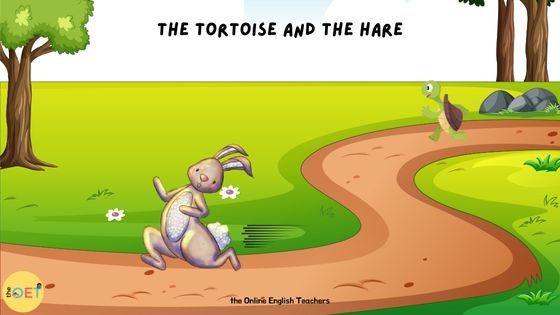
- “The Tortoise and the Hare” (Aesop’s Fables, Greece): This classic tale of patience versus arrogance is still hugely popular.
- “The Gingerbread Man” (United Kingdom): A lively chase featuring a runaway cookie teaches children about consequences.
- “The Rabbit and the Tiger” (Vietnam): A clever rabbit outwits a stronger tiger, showing the power of wit over might.
- “Anansi the Spider” (West Africa): These tales of the trickster spider blend humour and wisdom, teaching life lessons through clever adventures.
By exploring folktales from around the world, you show your children that while cultures differ, the lessons they teach often overlap. Here are some more traditional folktales from around the world that you could read at home with your children.
Benefits of Folktale Activities for ESL Learners
Folktale activities and crafts are fantastic tools for helping ESL learners grow. From building language skills to exploring cultural diversity, these activities can have a real impact on your children’s development.
Language Development: How Folktales Improve Vocabulary and Comprehension
When your children read or listen to folktales, they’re learning new words, phrases, and sentence structures. Folktales often use simple, rhythmic language, making them ideal for young learners or those just starting with English.
Through repeated exposure, your children begin to pick up on patterns and familiar phrases. Words like “once upon a time” or “happily ever after” can become familiar, giving them a foundation for understanding how stories are structured.
Folktales also introduce vocabulary tied to actions, emotions, and settings. When the story says, “The bird soared across the blue sky,” your children gain context for what “soared” means. As these stories are engaging and can be made interactive, they’re more likely to remember the new words they’ve learned.
Interactive activities like:
- Retelling stories in their own words
- Matching new words with pictures
- Acting out scenes with props or toys
…can strengthen comprehension and make learning stick without feeling like a chore.
Cultural Awareness: The Role of Folktales in Promoting Understanding of Diverse Cultures
One of the joys of folktales is their ability to take you on a journey to another part of the world, all from the comfort of your own home. These stories often highlight cultural traditions, values, and ways of thinking. For ESL learners, they’re an eye-opening way to explore diversity.
When you share a story like Japan’s “Momotaro, the Peach Boy” or India’s “The Clever Jackal,” you’re showing your children how different people live, think, and celebrate. This can spark curiosity about other countries and foster respect for different cultures.
Try encouraging your child to:
- Compare folktales from different cultures
- Spot similarities between values in the stories and your own family’s beliefs
- Create crafts inspired by the culture in the tale
By mixing language learning with cultural insights, you create a rich and meaningful experience that helps your children feel connected to a bigger world.
Critical Thinking Skills: How Folktale Activities Encourage Problem-Solving and Creativity
Like many stories, folktales help children develop an array of language skills from vocabulary expansion to listening. But they also support critical thinking skills. Many stories involve characters solving problems or facing tricky situations, teaching your child how to think critically.
Take “The Boy Who Cried Wolf,” for example. After hearing the tale, ask your children: Why do you think the villagers stopped trusting the boy? This helps them to think about cause and effect, responsibility, and trust.
Crafting activities related to folktales can also boost creativity. Encourage your children to imagine a new ending to the story or create a puppet show to act it out. Questions like What would you do if you were the main character? can help them explore alternative solutions and build confidence in their decision-making.
You can also encourage problem-solving skills by:
- Presenting puzzles tied to the story, such as What would you pack for a journey like “Little Red Riding Hood”?
- Writing their own version of a favourite tale e.g. What happens if the Gingerbread Man doesn’t get caught?
- Discussing the lessons learned for example, How could the characters do things differently next time?
These activities encourage your children to use their imagination while reinforcing the critical thinking skills they’ll need in school and as adults.

10 Folktale Activities and Crafts
Bringing folktales to life with hands-on activities and crafts is a fantastic way to engage your children’s imagination, boost their language skills, and have plenty of fun along the way. Children can connect more with the stories they read through play and multisensory activities. Here are some creative ideas to make storytelling even more exciting for your family and extend learning opportunities when reading folktales.
Join the FREE Resource Library
Looking for FREE quality printables, templates, and guides to help you teach your kids ESL at home?
Join theOET’s FREE Membership and gain access to 10s of resources designed by a qualified teacher to help your family learn English at home.
New resources are added every month. Save time, money, and stress with pre-made educational printables and guides.
Storytelling Sessions
Storytelling sessions are a brilliant way to introduce your children to new vocabulary and ideas. Pick a folktale that matches your children’s interests, whether it’s a classic like “The Tortoise and the Hare” or something less familiar like “Anansi the Spider.”
To host a storytelling session:
- Set the mood: Dim the lights, add fairy lights, or even light a candle to create a magical atmosphere.
- Use props: Gather items from around the house, like scarves, toys, or hats, to act as story elements. For example, a broomstick could become the magic staff from a story.
- Encourage interaction: Pause during key moments to ask questions like, “What do you think will happen next?” or “Why do you think they made that choice?”
You can even involve your children by letting them narrate parts of the story, pretend to be different characters, or change the ending. These small moments build confidence and improve speaking skills.
Folktale Role-Playing
Role-playing is perfect for active learners who like movement and reenacting things. After reading a folktale, assign everyone in the family a character, then recreate scenes from the story.
Here are some ideas to get started:
- Act out “The Three Little Pigs”: Build “houses” with cushions or blankets, then take turns playing the Big Bad Wolf blowing them down.
- Reimagine “Little Red Riding Hood”: Take turns playing Little Red Riding Hood, the wolf or the woodcutter.
- Explore problem-solving: After acting out the original scene, change the roles or the story. What if the wolf became friends with the pigs instead?
Role-playing encourages your children to think creatively, work as a team, and learn how to express themselves.
Folktale Puppet Shows
A puppet show can make any story unforgettable. Start by creating simple puppets for your chosen folktale. You can make them from household items like socks, paper bags, or even wooden spoons.
Steps to create and host a puppet show:
- Choose your characters: Decide which key characters from the story need puppets.
- Make puppets: Draw faces on old socks or glue paper cut-outs onto sticks. You can also use markers, googly eyes, and fabric scraps for added texture and creativity.
- Set the scene: Create a puppet theatre using a cardboard box or drape a blanket over two chairs as a stage.
- Perform the story: Let your children lead the show, using the puppets to act out scenes.
This activity encourages confidence in speaking and helps bring a folktale’s characters and important messages to life.

Crafting Folktale Characters
Utilise different resources and materials in order to bring beloved folktale characters into the real world with simple, fun crafts. This is an engaging way to discuss different characters from the story, encourage your children to identify key character features, and even design their own characters.
Here are a few ideas:
- Paper plate masks: Create character masks by drawing their faces on paper plates. Add details with crayons, feathers, or fabric scraps.
- Stick figures: Craft characters using popsicle sticks, pipe cleaners, and tiny fabric costumes.
- Clay models: Mould characters like the Gingerbread Man or a clever fox using playdough or modelling clay.
As you craft, talk about the character’s role in the story. Ask questions like, “Why do you think they behaved that way?” This helps children connect deeper with the tale.
Folktale Art Projects
Art is a brilliant way to explore the emotions and themes behind stories. Use folktales as inspiration for creative projects your family can enjoy together.
Here are some ideas to spark creativity:
- Scene drawings: Ask your children to draw their favourite part of the story. Perhaps it’s the moment the hare falls asleep or when a brave boy fights a dragon.
- Create story maps: On a large sheet of paper, draw the path the characters take in the story from the start to the end.
- Design cultural elements: If the folktale is from a specific culture, try creating art based on its traditions, for instance, after reading “Anansi the Spider,” paint designs inspired by African patterns.
These projects allow children to express their understanding of the stories while learning about the cultures behind them.
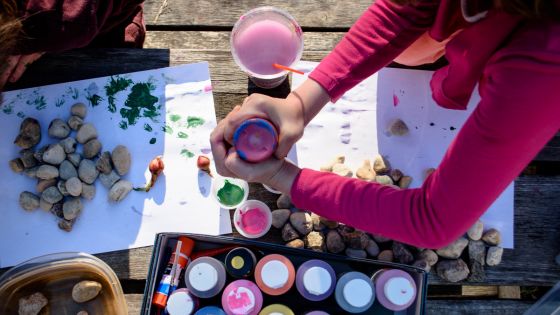
DIY Story Stones
Story stones are simple to make yet incredibly versatile for sparking imaginative storytelling. They’re a tactile way to bring folktales to life, perfect for children who enjoy visuals and hands-on activities.
How to make story stones:
- Collect flat stones: Look for smooth, palm-sized stones during a nature walk or buy them at a craft shop.
- Choose your stories: Pick a folktale like “The Gingerbread Man” or “The Three Little Pigs” as inspiration.
- Paint characters and symbols: Use acrylic paints or permanent markers to draw scenes, characters, or key objects on the stones. For instance:
- Draw a wolf, a pig, and three houses for “The Three Little Pigs”.
- Paint a cookie, a fox, and a river for “The Gingerbread Man”.
- Seal the stones: Once dry, apply a clear varnish to protect the designs.
To use them, let your children shuffle the painted stones and create a story based on the images. This encourages imaginative thinking while helping them retell tales in their own words.
Creating a Folktale Book
Turning family stories or favourite folktales into a homemade book is a beautiful keepsake and a fantastic learning tool. Your children become the storytellers, blending art and writing.
Steps for making a folktale book:
- Gather materials: Use blank paper, colourful cardstock, and markers or crayons. You’ll also need a hole punch and string or staples.
- Choose a story: It could be a traditional folktale, a family anecdote, or even a mix of both.
- Design each page:
- Write a single sentence or phrase per page, keeping it simple for young authors.
- Illustrate each scene with drawings, stickers, or cut-outs from magazines.
- Bind the book: Punch holes along one edge, then tie the pages with string or ribbon. You could also staple the pages for a neater finish.
As your children create their book, ask them questions like, “What happens next?” or “How does the story end?”. This activity builds storytelling and sequencing skills while letting their creativity shine.
Folktale Masks
Making masks of folktale characters allows your children to step into the story and act out their favourite scenes.
How to craft folktale masks:
- Grab a base: Use cardboard, paper plates, or sturdy paper as the starting point for your mask.
- Choose a character: Pick someone familiar from a tale, like the fox from “The Rabbit and the Tiger” or the tortoise from “The Tortoise and the Hare”.
- Decorate the mask: Draw and colour the face, then add details:
- Use feathers for a bird character.
- Glue cotton balls for a sheep.
- Attach yarn strands for hair.
- Cut out eye holes: Make sure the mask is wearable by cutting holes where the eyes should be.
- Add straps or sticks: Attach a string or elastic to go around the head, or glue a stick on the bottom for a handheld mask.
Once made, your children can wear the mask to act out scenes, practise speaking in English, or simply have fun pretending.
Paper Plate Storytelling
Paper plates are an easy way to turn folktale scenes into interactive art projects. These mini storyboards can help your children visualise the plot while retelling it.
How to create paper plate scenes:
- Pick a folktale: Choose one with vivid imagery, like “The Rabbit and the Tiger” or “The Boy Who Cried Wolf”.
- Design the background: Paint or colour the paper plate to match the scene. For example:
- Paint a forest with green trees for “Little Red Riding Hood”.
- Sketch a farmyard for “The Boy Who Cried Wolf”.
- Make characters: Draw characters on cardstock or use cut-outs. Tape a small stick or straw to their backs to make them movable.
- Tell the story: Slide the characters across the scene to act out the tale.
This craft is not only easy but also a fantastic way to boost your children’s speaking confidence as they narrate.
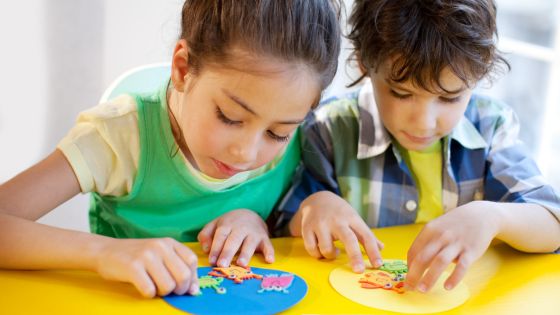
Nature Crafts Related to Folktales
Folktales often feature nature, making it a perfect starting point for crafts that connect children to the outdoors. Use branches, leaves, or stones to create meaningful projects inspired by favourite stories.
Ideas for nature crafts:
- Stick puppets: Collect small branches and use them as puppet bodies. Add paper cut-outs or fabric scraps for faces and clothing. Ideal for “Hansel and Gretel”.
- Leaf art: Arrange leaves and flowers to create characters or scenes from stories like “Momotaro, the Peach Boy”. Glue them onto paper for a lasting memory.
- Stone towers: Build stone towers inspired by the giant’s lair in “Jack and the Beanstalk”. You can balance stones and paint them for fun.
These crafts help children connect storytelling with the world around them, showing how stories often draw inspiration from nature’s beauty.
Through these hands-on crafts, your children can enter the world of folktales in new and exciting ways. Whether they’re painting stones, designing books, or gathering sticks, they’ll find joy in building their connection to these timeless tales. It’s a simple way to encourage learning while having fun together.
Folktales, paired with creative activities, are a fantastic way to support your children’s English learning. They teach life lessons, connect your family with global cultures, and make language learning enjoyable. By incorporating these activities into your daily routine, you give your children new ways to explore language, think creatively, and discover different cultures.
Hands-on projects, storytelling, and role-playing help your children build vocabulary, improve comprehension, and fall in love with stories. With each activity, they’re not just learning English, but also growing their imagination, confidence, and awareness of the world.
So, start today and choose one of these folktale activities and crafts to complete at home with your children. Whether you’re painting stones, acting out tales, or creating paper masks, the whole family will have fun together.
Which activity will you choose?
Join the FREE Resource Library
Looking for FREE quality printables, templates, and guides to help you teach your kids ESL at home?
Join theOET’s FREE Membership and gain access to 10s of resources designed by a qualified teacher to help your family learn English at home.
New resources are added every month. Save time, money, and stress with pre-made educational printables and guides.
Related Posts
- 12 Traditional Folktales from Around the World
- Top 11 Fable Stories for Kids to Build English Language Skills
- Folktale Writing Prompts for ESL Learners: Fun Ways to Boost Language Skills and Creativity
- 12 Classic Fairy Tales for English Language Learners
- The Fox and the Crow Story in English (Read Aloud for ESL Families)

